


streamResearch Themes

Ecosystem Studies and Conservation Biology (ESCB)

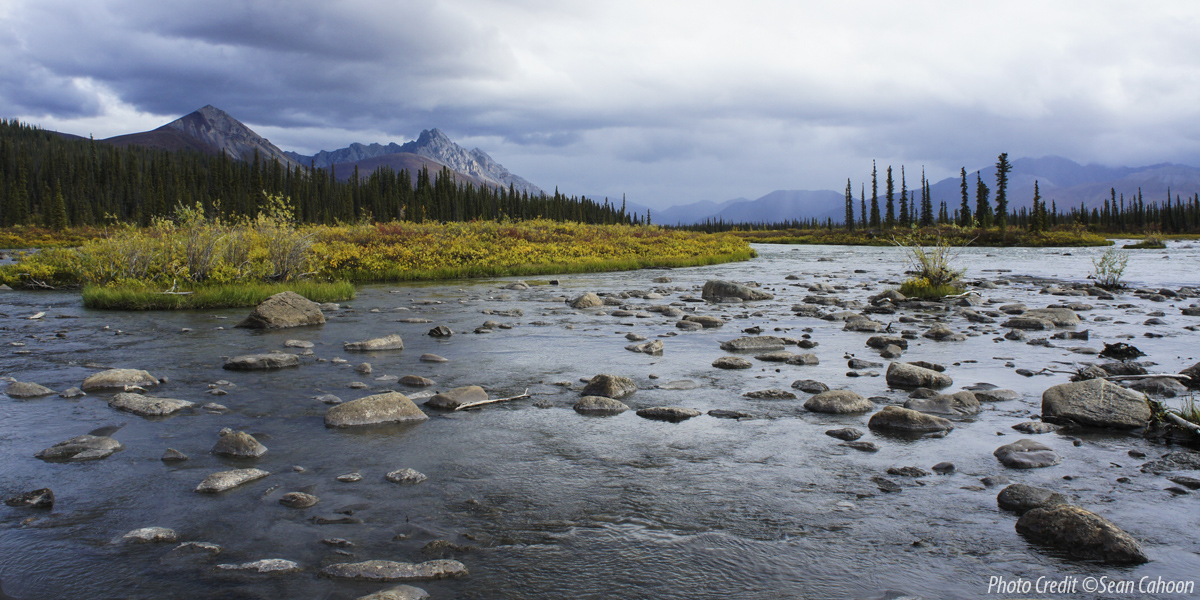
The ESCB research group focuses on ecosystem processes of high latitude terrestrial, aquatic and marine systems including: sea bird ecology, climate change effects on vegetation and ecosystem biogeochemistry; physiological ecology of ground squirrels, voles and marine mammals; the physiology of large ungulates and ungulate controls on vegetation processes; the population ecology of freshwater fish; processes controlling tree-line and the ecology of fresh water invertebrates, as well as precipitation,lake and stream isotope geochemistry

Long-term experimental and observational studies in Alaska, Antarctica and Greenland along with our participation in Pan Arctic Networks, provides the basis of many of our research activities. Our access to steep environmental gradients, changing landscapes, ecosystems dominated by winter and habitats that are in natural states offer a world-class complex of field and laboratory research opportunities.

Earth and Climate Processes (ECP)

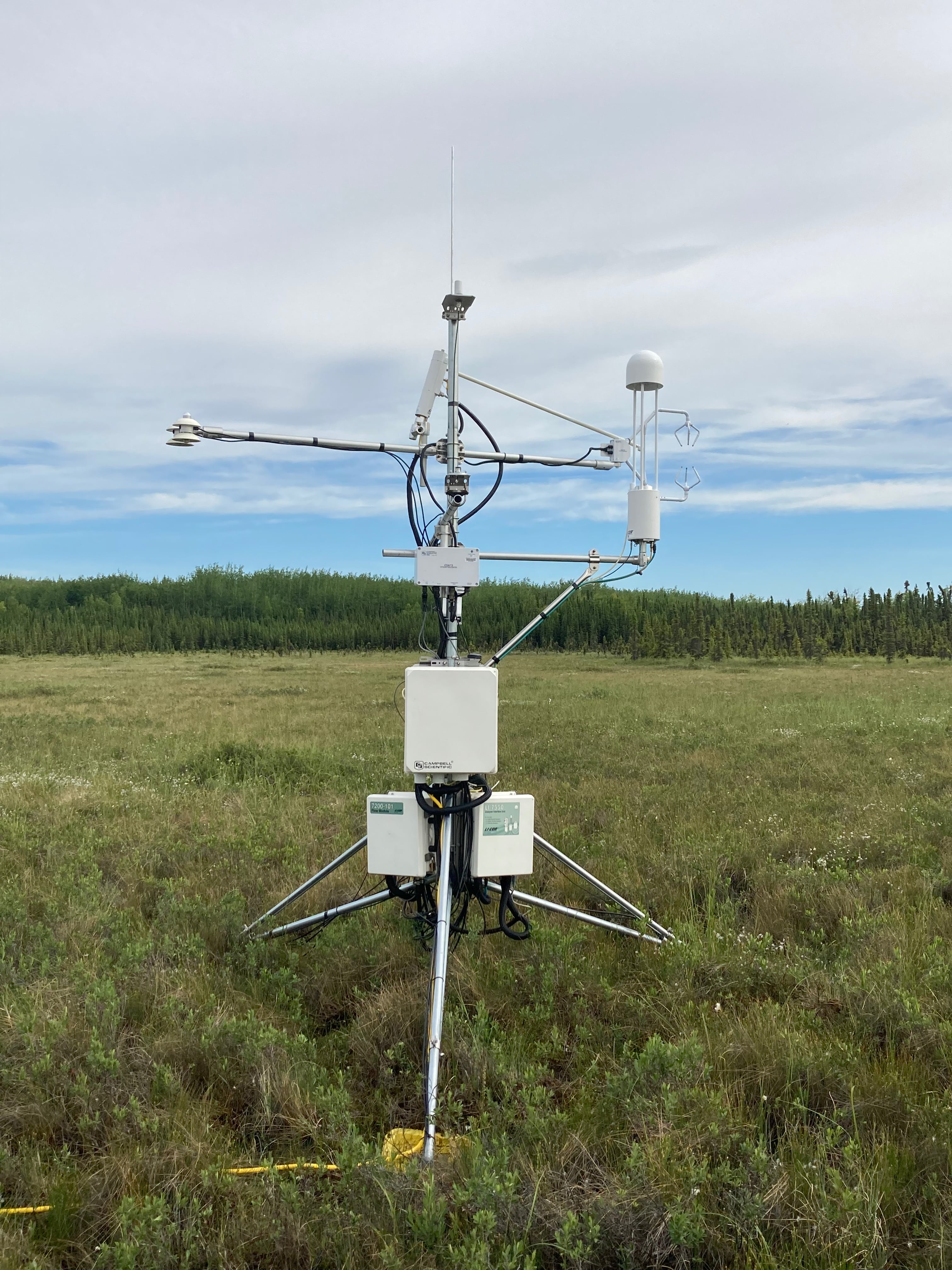
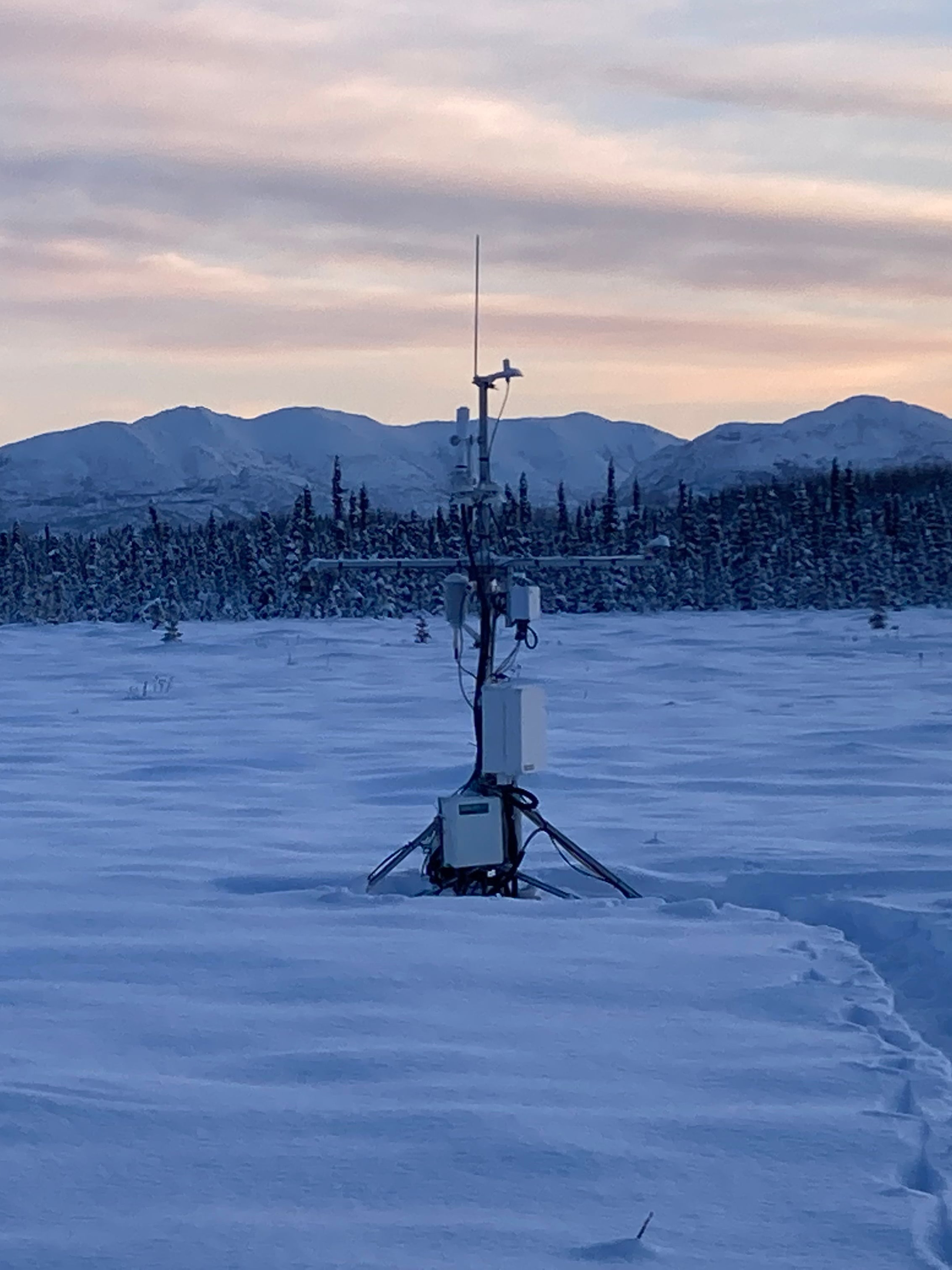
The ECP research group focuses on the climatological/atmospheric, geochemistry and hydrological components of northern systems including:  surface hourly weather observations, the quantification of inorganic and organic minerals and nutrient cycles, contaminant biogeochemistry as well as watershed processes. The climatological emphasis addresses local and regional weather dynamics while the atmospheric emphasis focuses on boreal forest microclimatology, trace gas dynamics and gradients of weather along altitudinal transects as part of our Boreal Forest Observatory. Our geochemistry focus is on contaminates such as perchlorate and arsenic with an isotope geochemistry emphasis on local, state and continental patterns and processes governing the isotopes of water in precipitation.  Our hydrological emphasis addresses stream and river discharge, patterns and processes in sub-, low, and high arctic systems. 

Human Ecology and Coupled Human-Environment Interactions (HECHE)

The HECHE program focuses on understanding modern and historical human behavior as related to environmental conditions and changing climates in northern regions.  The group utilizes agent based modeling to predict social responses to changing water supplies and they are synthesizing observations from vast network of Natives who are reporting environmental change in the Bering Sea region of Alaska and Russia.  The group also specializes in archaeological studies of previous societies and their habitats including the analysis of animal bones as recorders of foraging and environmental conditions. The rich cultural history of Alaska and the wealth of Native communities and issues provide a robust environment to address the human dimensions of arctic and boreal systems.