







Department of History
-

The Study of People
History encompasses the human past and all kinds of human activity. This includes, but is not limited to, the institutions people create, their relationships with their environments and one another, the cultures they develop, the decisions and actions they take, and the ways they understand and view the world.
The Department of History
History is a discipline; a series of practices that are historical in their basic approach and object that links our contemporary world to the past. Its practitioners subject evidence to rigorous analysis and synthesize sources to formulate coherent, logical narratives. Historians use evidence to understand the historical process and develop arguments over the meaning of the past. The historical discipline is concerned with the questions of change and continuity, the complexities of causality and contingency, and the critical role of social context and individual motivation. Our discipline requires its practitioners to meet accepted standards of professionalism over and above the technical and to adhere to stringent expectations for academic integrity and honesty.
The habits of analysis and critical thinking provided by the discipline will make graduating History Majors more competent, conscientious and effective in whatever professional activities they may pursue. Students of history may utilize these skills to pursue employment and advancement within the historical profession as well as in advanced degrees in fields such as education and law.The story of the past encompasses all of human activity: understanding its significance encourages us to be active and engaged citizens. Ultimately, history matters because it shows that the choices that we make help shape the world we create.
Making History

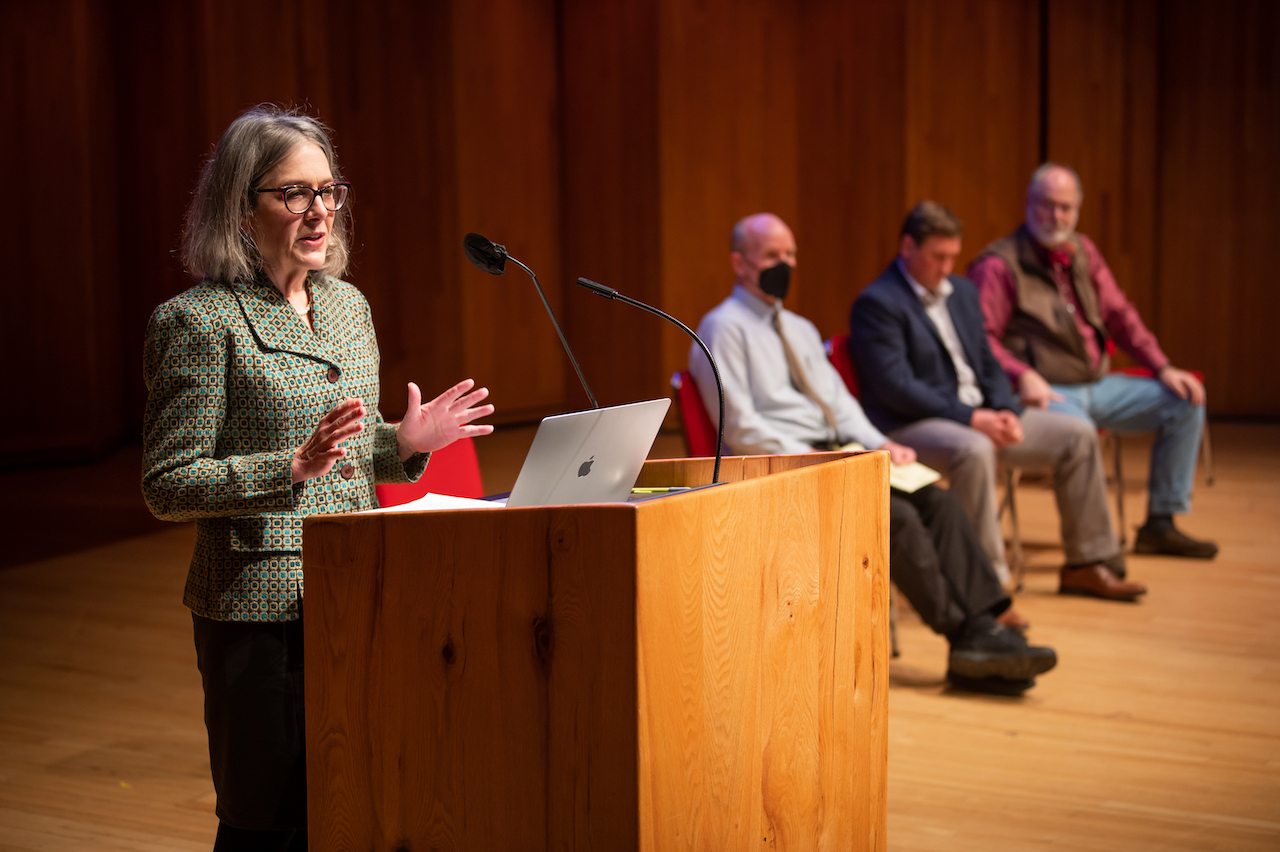
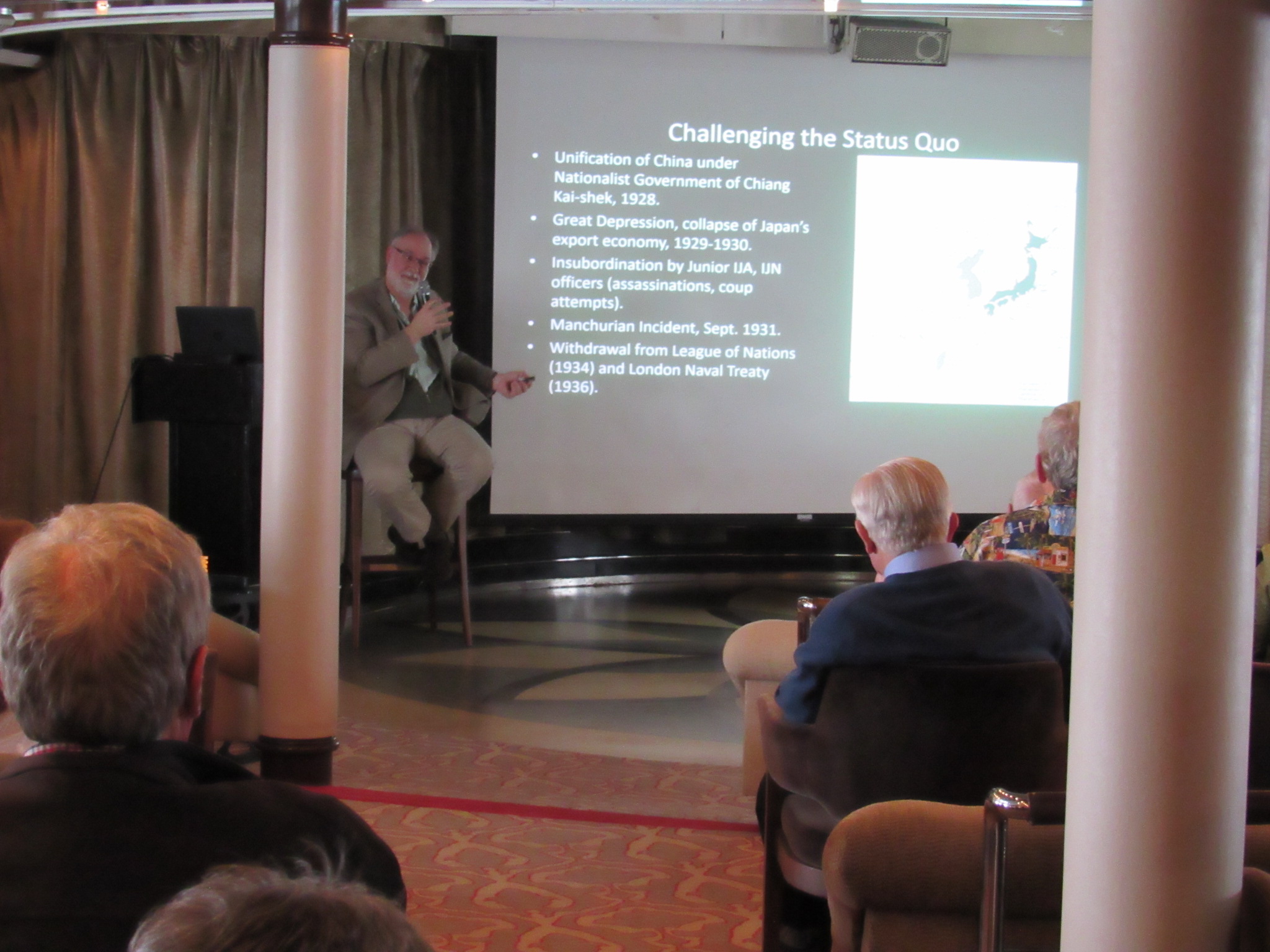
UAA History Department Roundtable: The Misuse of History and the Russian Invasion of Ukraine
On March 16th, at 5:00 PM in University of Alaska Anchorage Fine Arts Building Room 150, the UAA History Department hosted a roundtable discussion on the ongoing situation in Ukraine. On February 24, 2022 Russian President Vladimir Putin ordered what has now become the largest land invasion on European soil since the Second World War. The people of Ukraine have valiantly resisted, and Western nations have presented a unified front in opposition to the aggression. UAA History faculty discussed the historical roots of this conflict and provided an overview of the "New Cold War" as well as addressing questions from the audience.