Plastic insulation like Styrofoam is commonplace in seafood packaging and buildings.
But plastics never completely disappear, instead they break up into ever smaller particles
or microplastic. These tiny particles are harmful to the soils, marine environment
and wildlife, and may affect human health.
Researchers with the Biomaterials Lab seek to better understand the effects of these
stray plastic bits. The team is working to solve the global plastic pollution problem
by developing insulation that is recyclable, reusable, and biodegradable. Researchers
combine design-thinking, microbiology, and physics to dream-up scalable biological
materials that store carbon and provide a sustainable vital barrier from the elements.
Their key ingredients to de-carbonizing industries include beetle-kill spruce trees
and renewable cellulose that is literally grown in a lab. The Biomaterials Lab is an active innovation platform for new bio-based
materials and circular bio-economy solutions in the Circumpolar North. The lab uses
norm-critical design thinking as a framework to tackle some of the most pressing environmental
and public health problems facing the Arctic today.
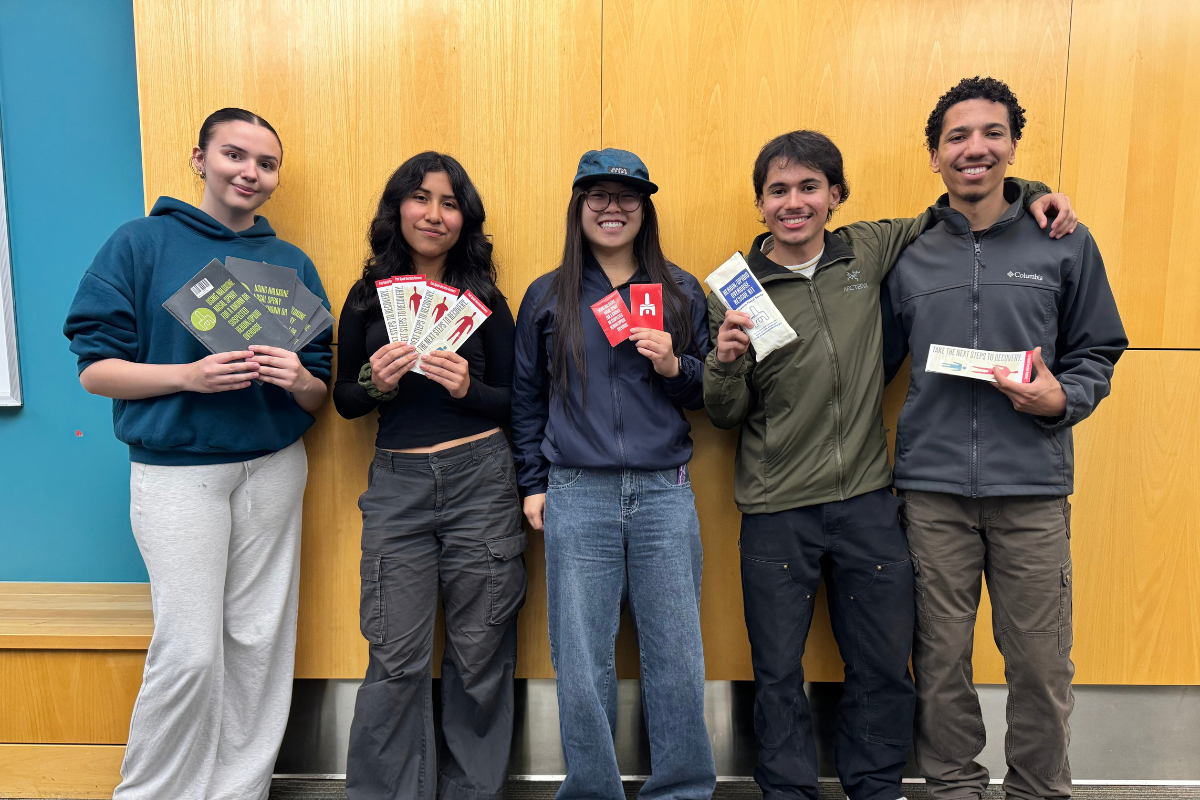
For National Recovery Month, the UAA Pre-Health Society (PHS) teamed up with Sam Garcia of Heart of Heart Consulting to assemble 250 emergency naloxone (NARCAN) rescue kits for our local community.
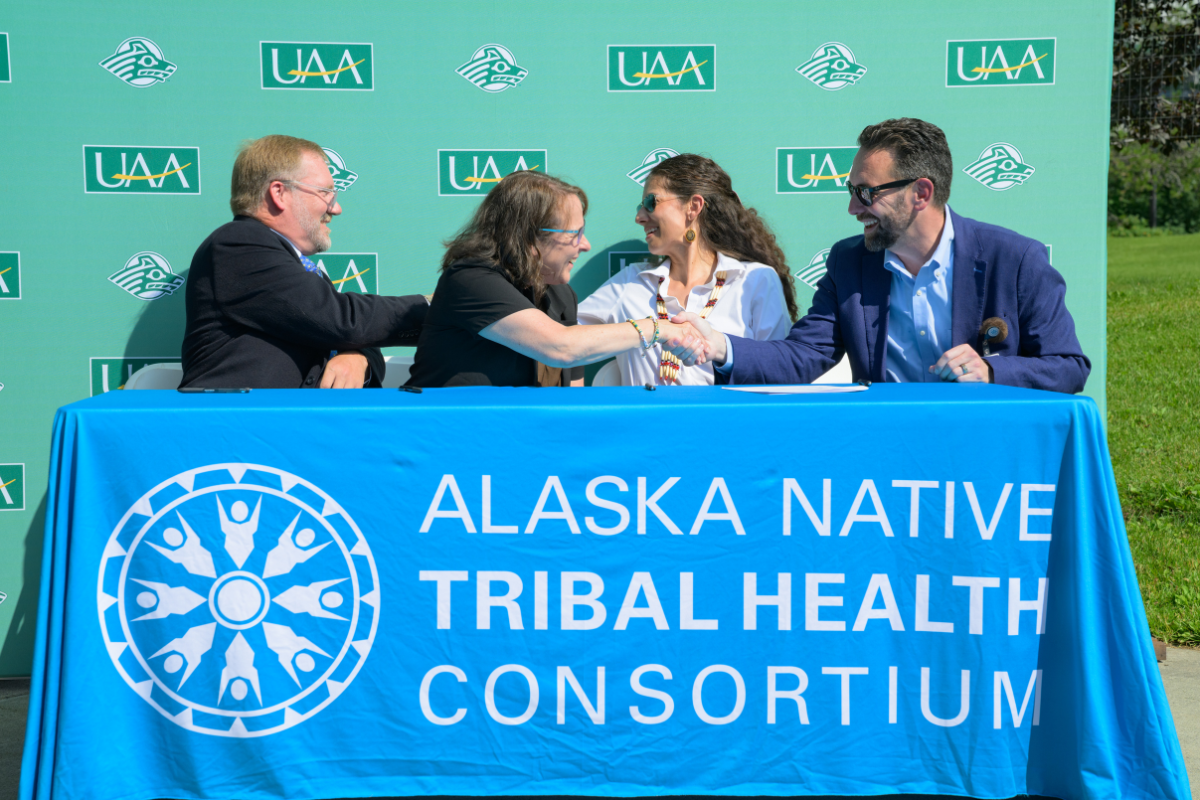
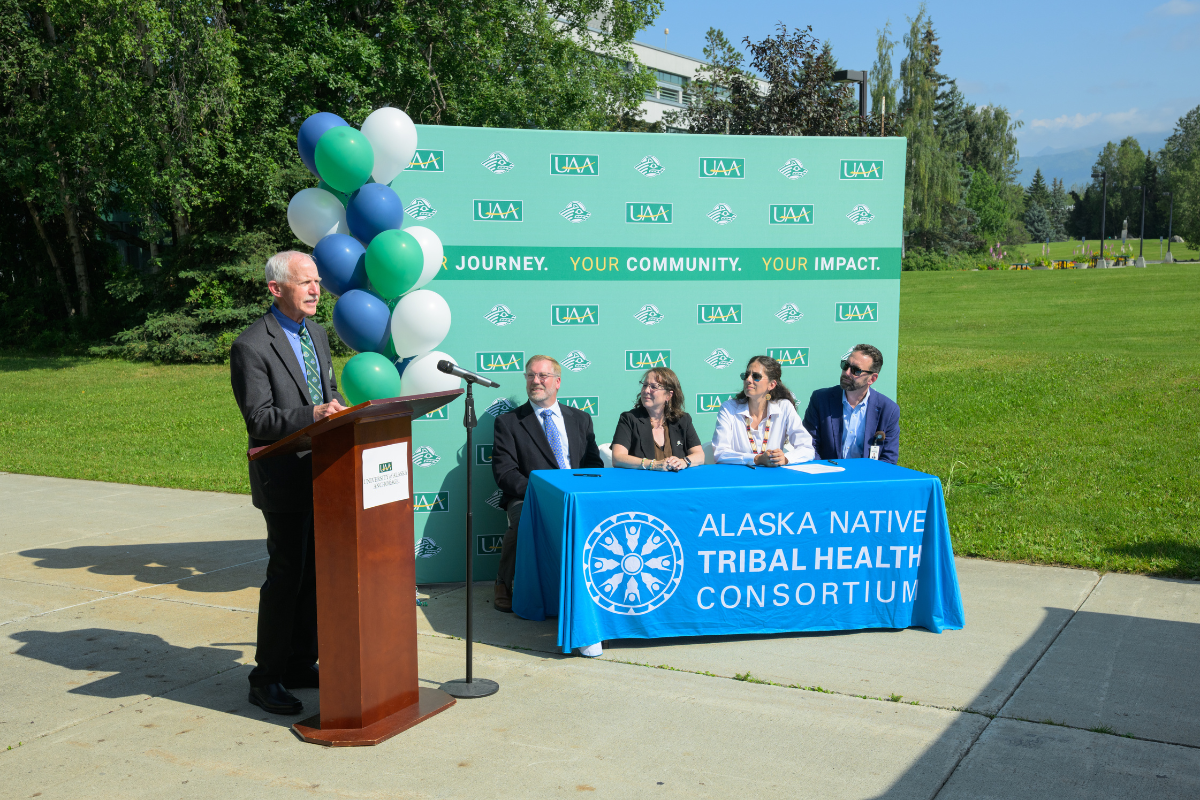
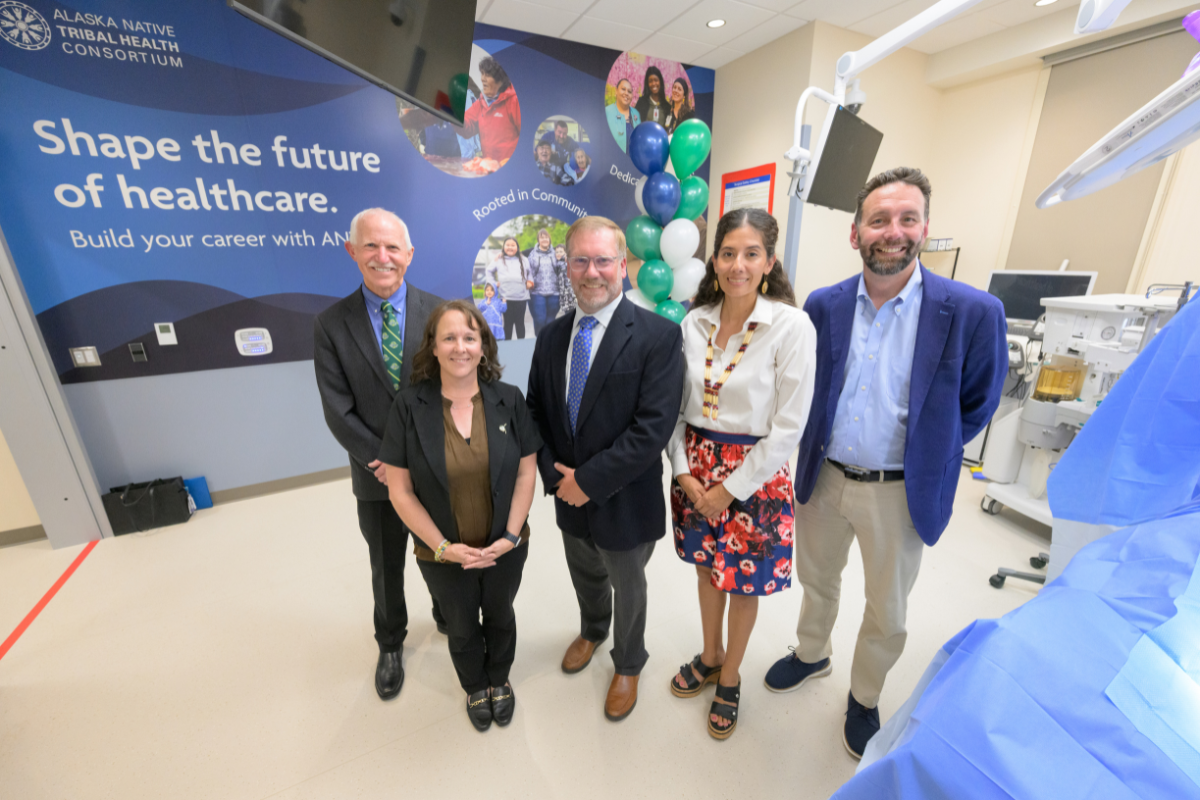
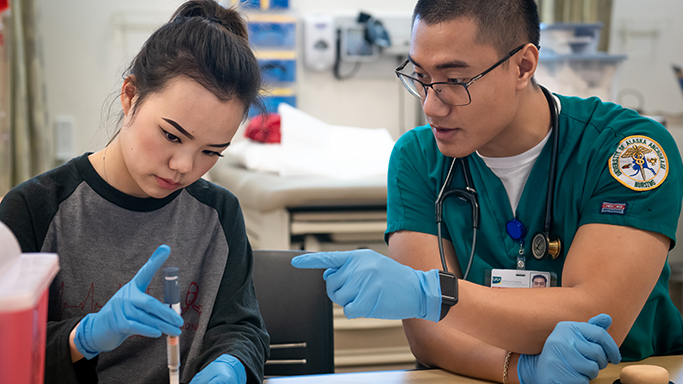
A new partnership between the University of Alaska Anchorage and the Alaska Native Tribal Health Consortium will allow healthcare students to complete their clinical rotations at local ANTHC facilities.
The Alaska Native Tribal Health Consortium (ANTHC) and the University of Alaska Anchorage (UAA) have launched a new partnership to prepare the next generation of healthcare professionals and strengthen Alaska’s workforce.
The University of Alaska Anchorage and the Alaska Native Tribal Health Consortium are teaming up to help train more Alaskans for careers in health care.