





UAA Culinary Arts
-
UAA Culinary Arts
The Culinary Arts Department trains students with the necessary skills to become exemplary culinarians through the development of classical cooking techniques, baking and pastry arts, front-of-house service, and restaurant management. Students earn nationally recognized certifications, which make them job ready.
Announcements:
--The Bakery Cart: We're open Thursdays and Fridays from 11:00 t o12:00 through February 27th -- Order Here!
--Community Culinary Courses: Spring 2026 is open for registration! Click here to REGISTER or see below for more details.
- Celebrity Chef Invitational
- The Bakery Cart
- Community Culinary Courses
- Elective Courses for Enthusiasts
- Lucy's
- Summer Boot Camps for Youth

Thursday, March 5th, 2026
As the stars come out, the excitement begins...
Alongside this premier dining experience crafted by Celebrity Chef Mandy Dixon of Tutka Bay Lodge, guests will
participate in an exclusive live auction, showcasing the following extraordinary packages:


Don't miss your chance to win one of these amazing packages while directly supporting culinary education!
If you are unable to join us, you can still support UAA Culinary Arts students.
Every donation helps our students reach their goals!
Give Now!
Contact Chef Kellie Puff at kjpuff@alaska.edu with questions.
Spring 2026 Bakery Cart
-- January 23rd, 2026 - February 27th, 2026 --
Thursdays & Fridays
11:00 am - 12:00 pm
Online ordering opens at 10:45
Order Here!
Thank you for the continued enthusiastic support of The Bakery Cart!
Online Pre-Orders and In-Person Sales
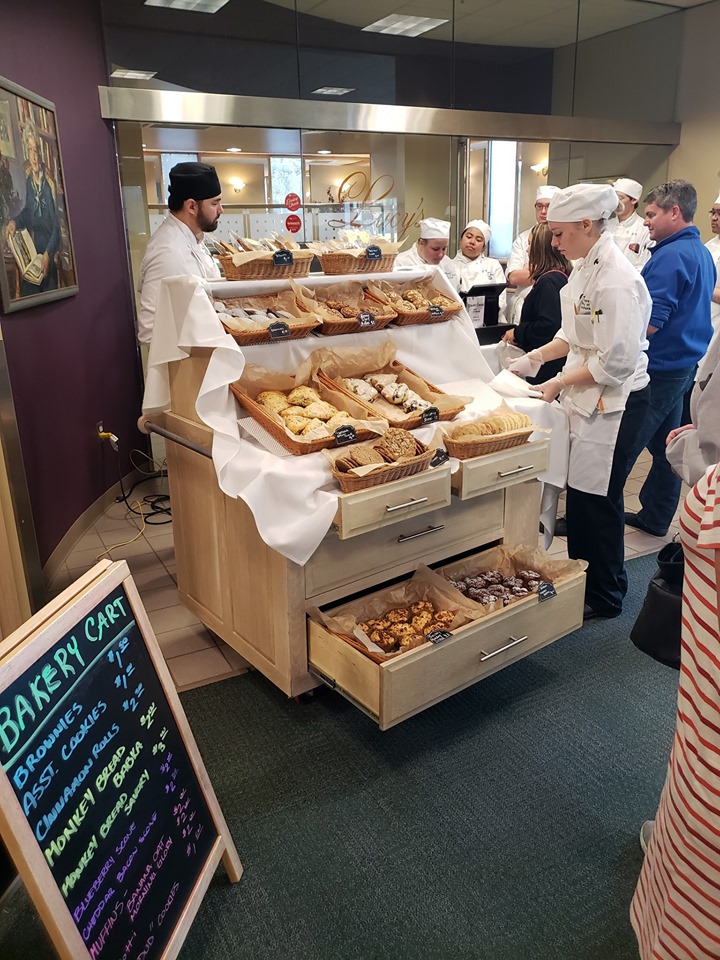
Orders will only be accepted online at The Bakery Cart at Lucy's Mobile Bites site starting at 10:45 a.m. on the day of service and closing at 11:00 a.m. In-person sales begin at 11:15am until sold out or 12pm at the latest. We accept cash or credit card payment. Please no phone calls. You may pick up your order at Lucy Cuddy Hall, inside Lucy's. Upon arrival, check in with a baking student, lab aid, or Chef Puff before retrieving your items (this ensures orders are going to the correct people). All orders must be picked up by 12 p.m. The Bakery Cart is student-run and part of the CA A111 Bakery Skills Development Lab curriculum. Please be patient as this is a learning experience for our students. We appreciate your support!
Community Culinary Courses - Spring 2026
Community Culinary Courses are available for anyone in the community who would like to learn more about various culinary subjects. We offer classes for both adults (ages 18+) and youth (ages 12-17). No experience necessary; you can take just one class, or the whole series! Please click the link to register.
For More information or to Register Click Here!
Location: Lucy Cuddy Hall/Skills Development Kitchen
Instructor: Chef Lukas Doherty
Question/Contact Email: Ltdoherty@alaska.edu

Elective Courses for Enthusiasts
-

CA A490 Electives -

CA A490 Electives
We offer a variety of 1-credit hands-on courses that are open to the community and all UAA students, staff, and faculty. Our courses are fun, engaging, and hands-on. All equipment and products are provided for students enrolled in these courses. Scroll down for all of our up coming course offerings.

*New* Cajun & Creole Cooking - 36648 - CA A490
Class Schedule: Thursdays & Fridays -- February 5th-27th, --3:00pm - 6:00pm
Dive into the soulful flavors of Louisiana in this hands-on Cajun & Creole cooking class. You'll learn the difference between Cajun country cooking and Creole city cuisine while building layers of flavor with classic techniques. Learn to bring big Southern flavor to your own kitchen!

Food Preservation - 36605 - CA A490
Class Schedule: February 20 & 21, March 6 & 7 -- Fridays 5:30pm - 8:30 pm, Saturdays 10:00am-4:00pm
Discover the art of food preservation using canning, fermenting, and dehydrating techniques with Chef Dena McChargue. Get hands-on experience and take home a delicious variety of preserved foods from soups and pickles to jams and vibrant ferments.

*New* Food Science - 36393 - CA A490
Class Schedule: Mondays -- February 2nd, 9th, 16th -- 1:00pm - 7:00pm
Join us on this food science adventure where you'll grill, steam, saute, whisk, knead, carbonate, gel and sous-vide your way through both classic and cutting-edge culinary techniques. Each session features exciting food creations - from emulsions and gourmet sauces to fizzy fruits and fluid gels - crafted by you and destined to impress!

Cheese & Wine - 36394 - CA A490
Class Schedule: Mondays and Tuesdays -- February 2nd, 3rd, 9th, 10th, & 16th, 17th -- 6:00pm - 9:00pm
Back by poplar demand! Explore international wine and cheese selections with Chef Riza Brown as your guide. You'll learn techniques for artful plating, presentation, and pairing perfectly matched flavors -- all while savoring each delicious combination along the way!
Must be 21 or older
- Previous Offerings
Charcuterie and Salumi
In this class students will learn advanced French and Italian techniques in the preparation of fermented sausages, dry curing, and smoked meats.
CannaBasics2
CannaBasics 2 is an educational hands-on class that builds upon the foundation of its predecessor, CannaBasics, to provide students with comprehensive knowledge and practical skills for cooking with cannabis safely and within legal boundaries. This course delves deeper into the art of cannabis-infused cuisine, covering essential topics such as dosage control, strain selection, decarboxylation, and extraction methods. With a focus on responsible consumption and compliance with local regulations, CannaBasics 2 equips students with the expertise needed to create delicious, cannabis-infused dishes while prioritizing safety and legality. *You must be 21 to register. There will be no handling or consumption of cannabis in this class. We will work theoretically with approved substitutions in recipes.*
Food Preservation
An introduction to preserving foods at home using pressure canning, boiling water bath, fermenting, and dehydrating methods. In this lab, students will make and take home the product of varied preservation techniques, including canned soup, dried pasta, pickles, cultured dairy, jams, dehydrated produce, and fermented foods and beverages.
From Grain to Glass
Join brewer/owner Ted Rosenzweig of Turnagain Brewing for an introduction to beer brewing, beer science, and the range of beer styles. Together, we will brew a batch of beer, sample some classic beers, and taste our creations expertly paired with delicious bites. *Must be 21 years or older to register. Proof of age will be required.
Butchery 101: Beef
Experienced butcher and beef expert, Chris Miller, will guide you through the world of beef butchery through demonstrations, and hands-on learning. Learn how to fabricate primal cuts into secondary cuts and explore the process of hanging and dry aging.
Modernist Cuisine
Over three sessions we will dive into the world of modernist cuisine. We will prepare gels, foams, glue meats, aerate, compress and cook sous vide. This is a great opportunity for anyone with an understanding of food and cooking to expand the realm of possibility, or an opportunity for novice cooks to have fun and explore. We will eat our preparations.
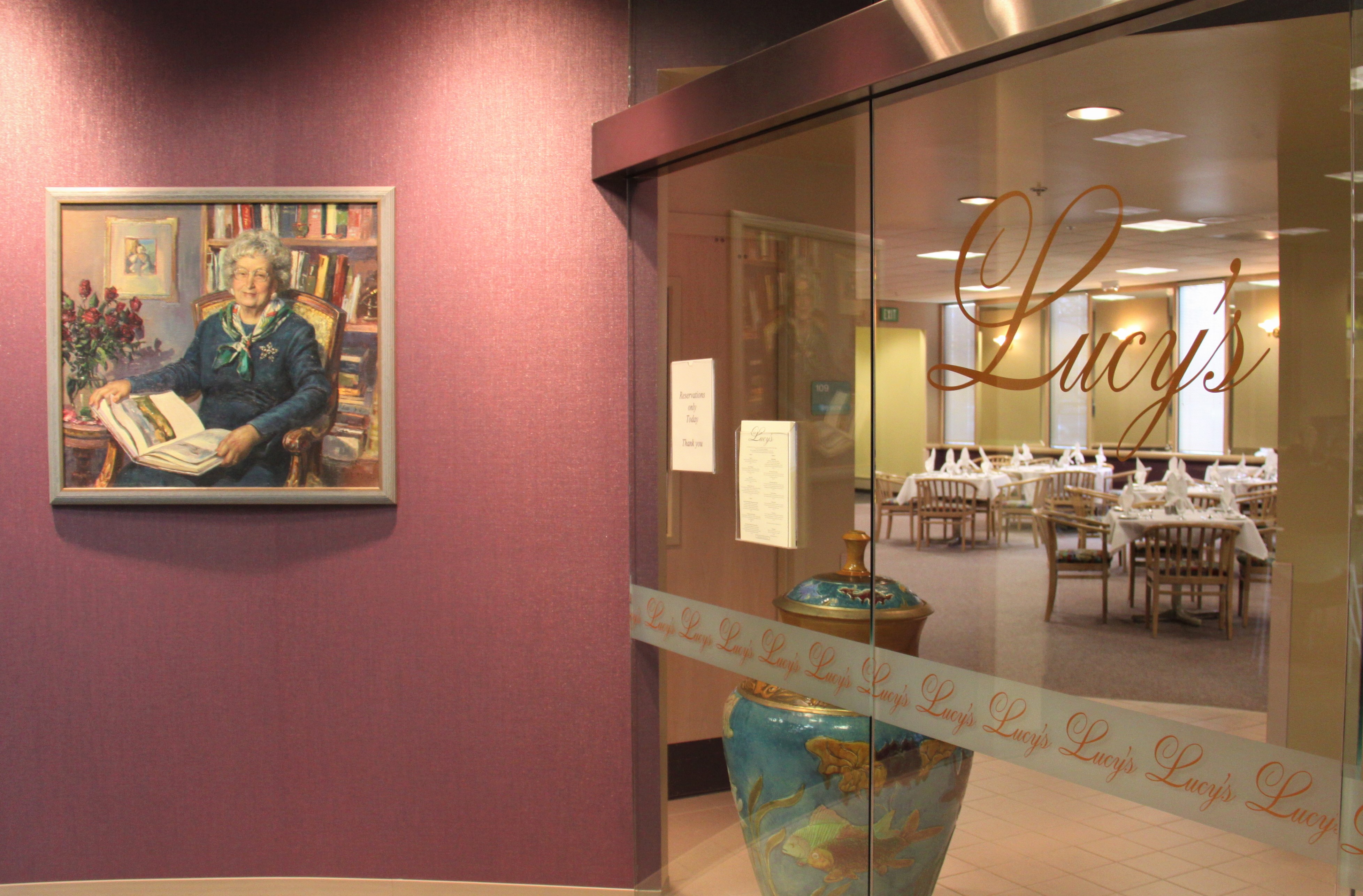
Enjoy an elegant meal at UAA's student-run fine dining restaurant, Lucy's.
Make a Reservation
Spring 2026 dates coming Soon!
Our reservations fill up quickly. If reservations are full on your preferred day, please use the Notify button in Resy and it will notify you if something opens up for the day you specified.
Please follow us on social media for updates on when reservations will become available each semester!
Dates and Hours of Operation
Spring 2026 Dates coming soon
Open Wednesday, Thursday, and Friday
From 11:30am - 2:00pm, last seating at 12:30pm
2025 Summer Culinary & Baking Boot Camps For Youth
What an amazing June we had!
There were so many awesome campers learning all sorts of fun things in the kitchen and bakery.
Please check back in March of 2026 for details about next year.
Keep an eye out for our Youth Cooking Club Series that is offered during the school year.
The Spring 2026 line up is posted under Community Culinary Courses Tab above.
Please contact Sam Wagner at 907-786-1165 or sjwagner@alaska.edu with any questions.
