University of Alaska Anchorage School of Allied Health
UAA School of Allied Health
The mission of the School of Allied Health at the University of Alaska Anchorage is
to educate and develop allied health professionals to serve all Alaskans.
School of allied health
As part of the College of Health at the University of Alaska Anchorage, the School
of Allied Health is home to training programs and facilities for allied health professionals.
Allied health programs are specifically designed to prepare graduates for work in
rewarding careers in Alaska's rapidly growing health care industry. In addition to
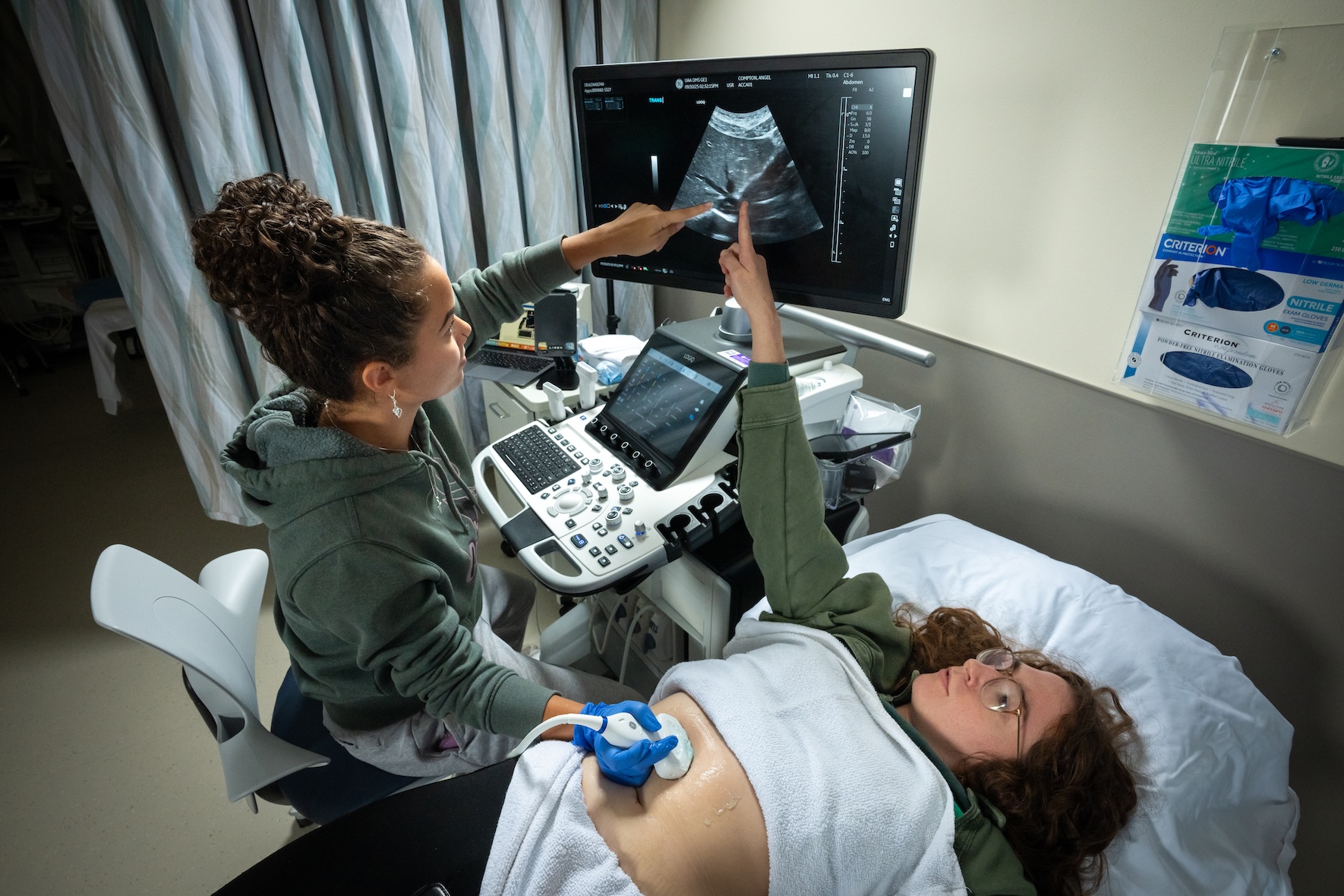
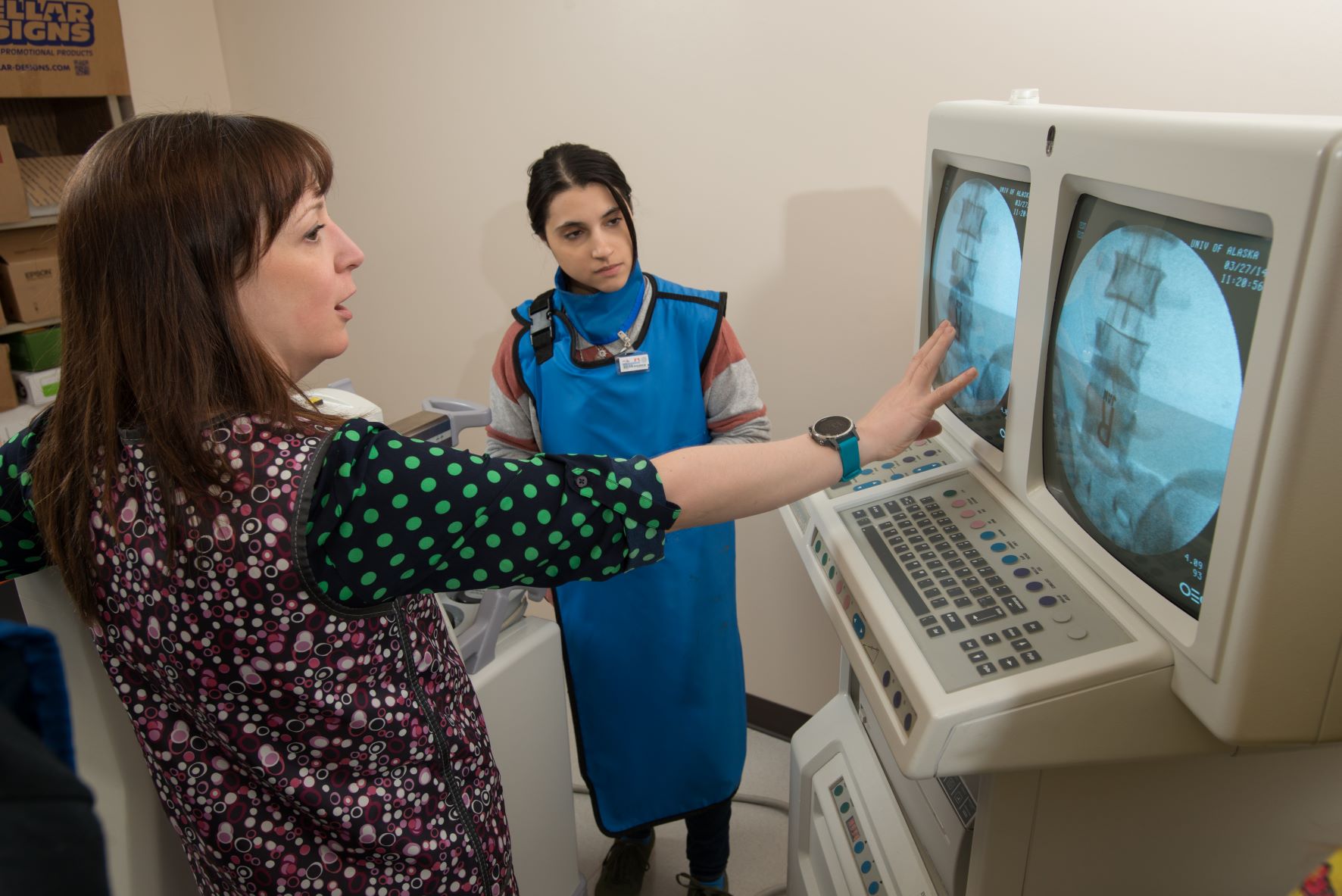
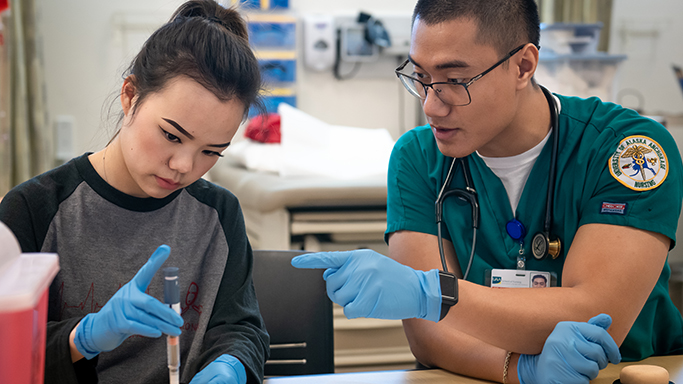
instruction by allied health professionals, most programs provide experiential education
with students working alongside health professionals in real-work situations.
The School of Allied Health also offers continuing educational opportunities for experienced
professionals who are in need of a refresher course or looking to expand their earning
potential in the job field.
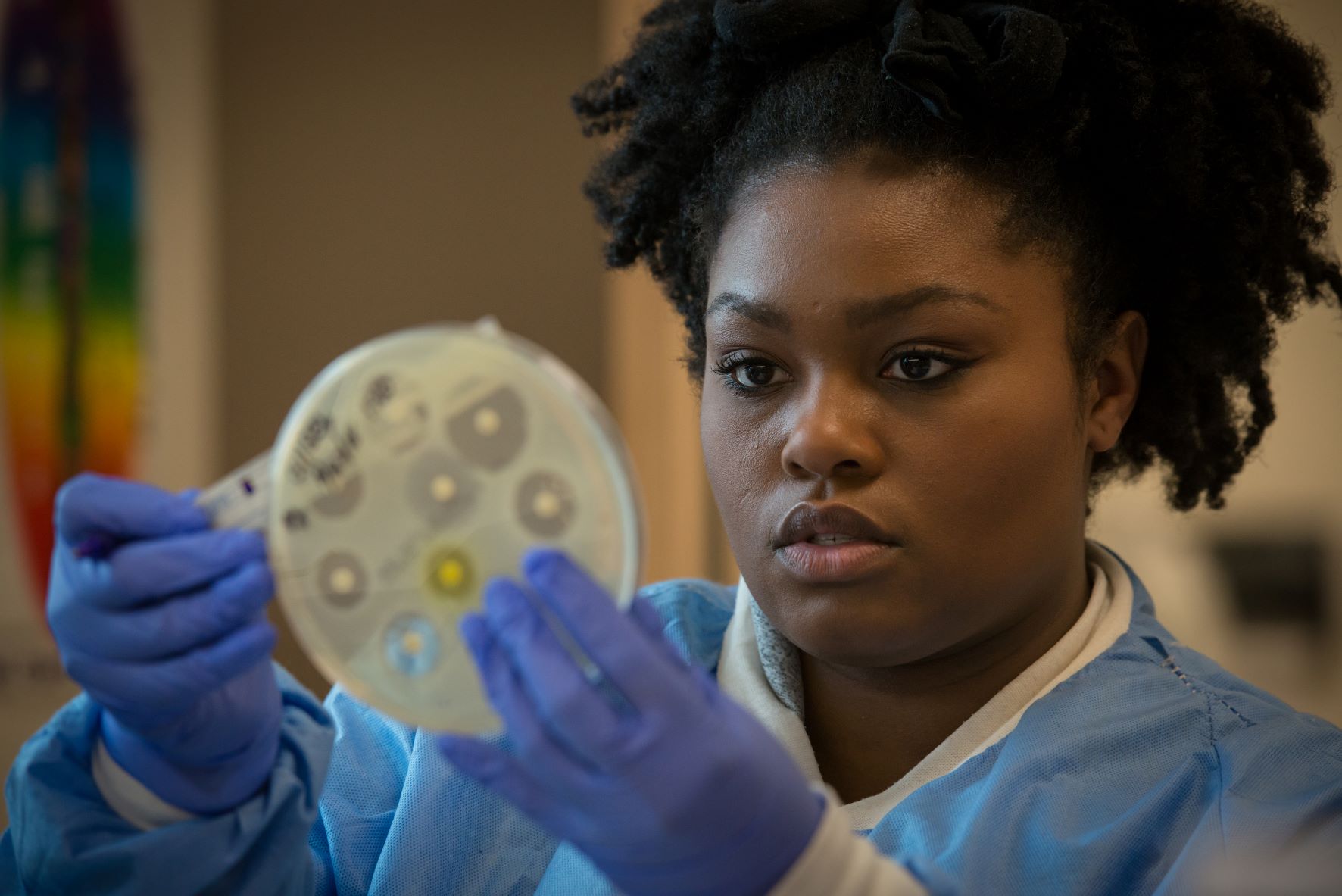
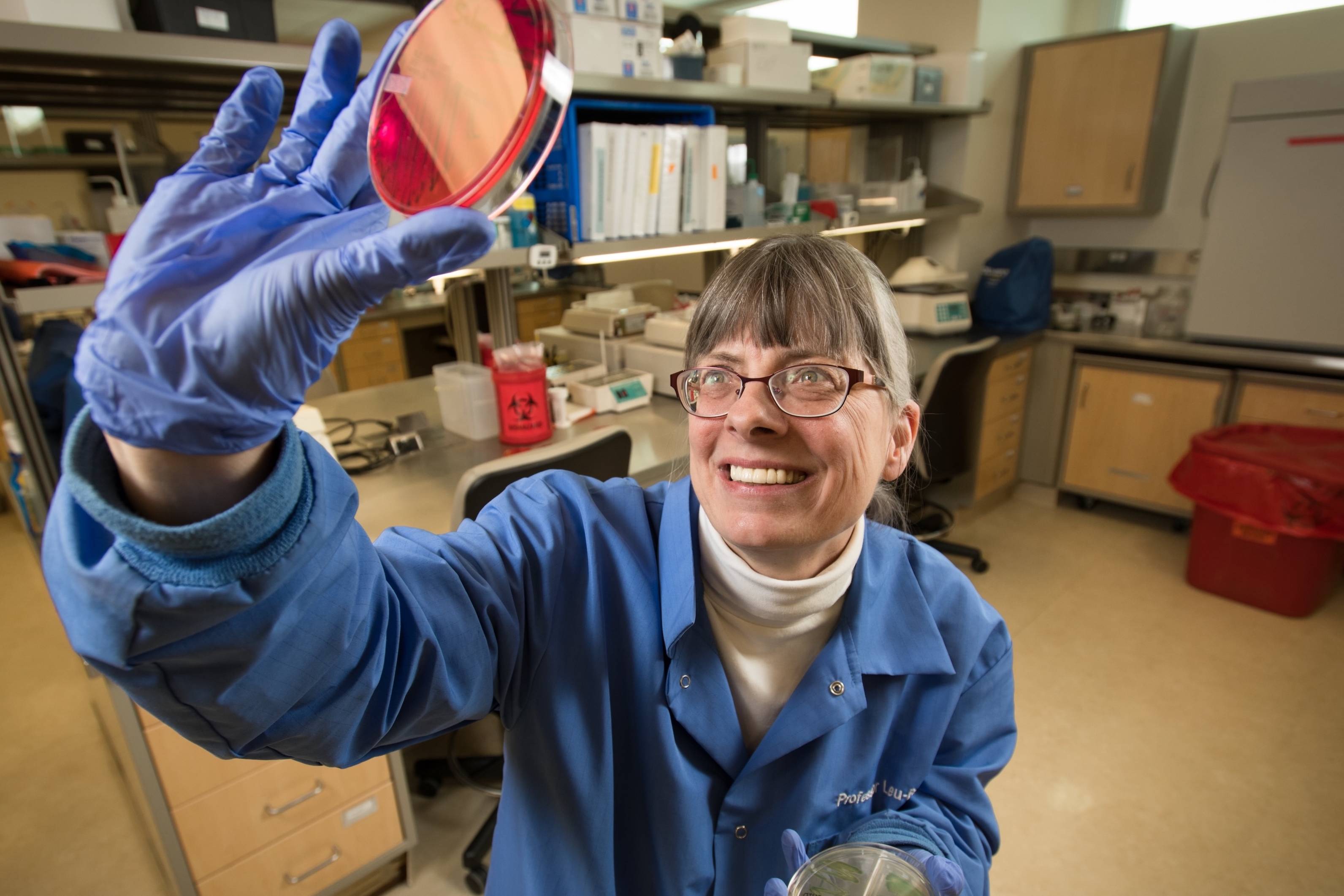
A poster by Medical Laboratory Science program director Grace Leu-Burke and her team has been selected as a Blue Ribbon Finalist by the American Society for Clinical Pathology (ASCP) 2025 Annual Meeting. The poster, “Public health risk assessment from Cryptosporidium colonization in Alaskan urban wildlife,” explores the prevalence of Cryptosporidium, a microbial parasite that infects humans and animals and causes diarrhea.
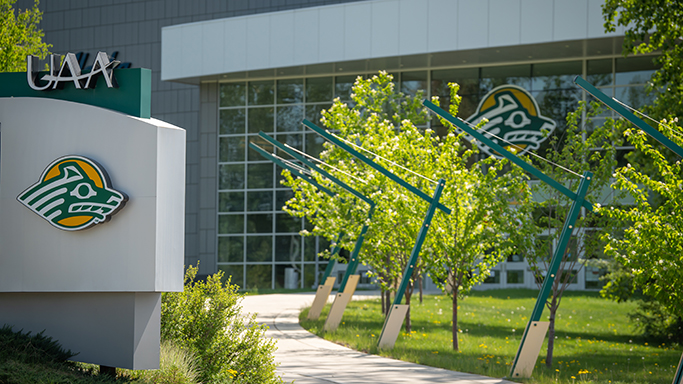
The UAA College of Health proudly celebrated the recent renovation of Sally Monserud Hall with a ribbon-cutting ceremony showcasing the new high-tech labs and simulation center, expanded allied health programs, growth of the WWAMI program and critical partnerships addressing Alaska’s growing health care needs.
Grace Leu Burke, associate professor and program director of the Medical Laboratory Science program, brings a deep passion for research, diagnostic testing, and student mentorship to the classroom and beyond.
The School of Allied Health is home to two clubs at UAA. Learn more about the Medical
Laboratory Science Club and Pre-Pharmacy Club by visiting the Student Opportunities
page.
The School of Allied Health provides a variety of scholarship opportunities for allied
health students. Learn more about the UAA School of Allied Health Administration Scholarship,
Second Chance Scholarship, Alaska Pharmacists Association Pharmacy Technician Scholarship,
and Alaska Pharmacists Association Pre-Pharmacy Scholarships available.