The Hunger and Homelessness Support Network (HHSN)
Hunger & Homelessness Support Network
The Hunger and Homelessness Support Network (HHSN) is an interdisciplinary, cross-campus
initiative based in the College of Health that works to develop sustainable solutions
for UAA students facing food and housing insecurity. Our research team conducted multiple
campus-wide surveys to identify economic barriers that impact students' well-being and education.
Results of our initial (published) survey found:
8.3% of UAA students have experienced homelessness at some point while being a student.
44% of UAA students experienced food insecurity during the school year.
30% of UAA students experience housing insecurity and couldn’t afford to stay in their
current place of residence, even if they wanted to.
A follow up (unpublished) survey was conducted in November 2018 and found:
10.4% of UAA students have experienced homelessness
37% of UAA students don’t know if they can pay rent next month
Financial insecurity negatively impacts education and delays program completion for
46% UAA students
UAA employees, students and community programs provide services to help students get
what they need so they can focus on their education.
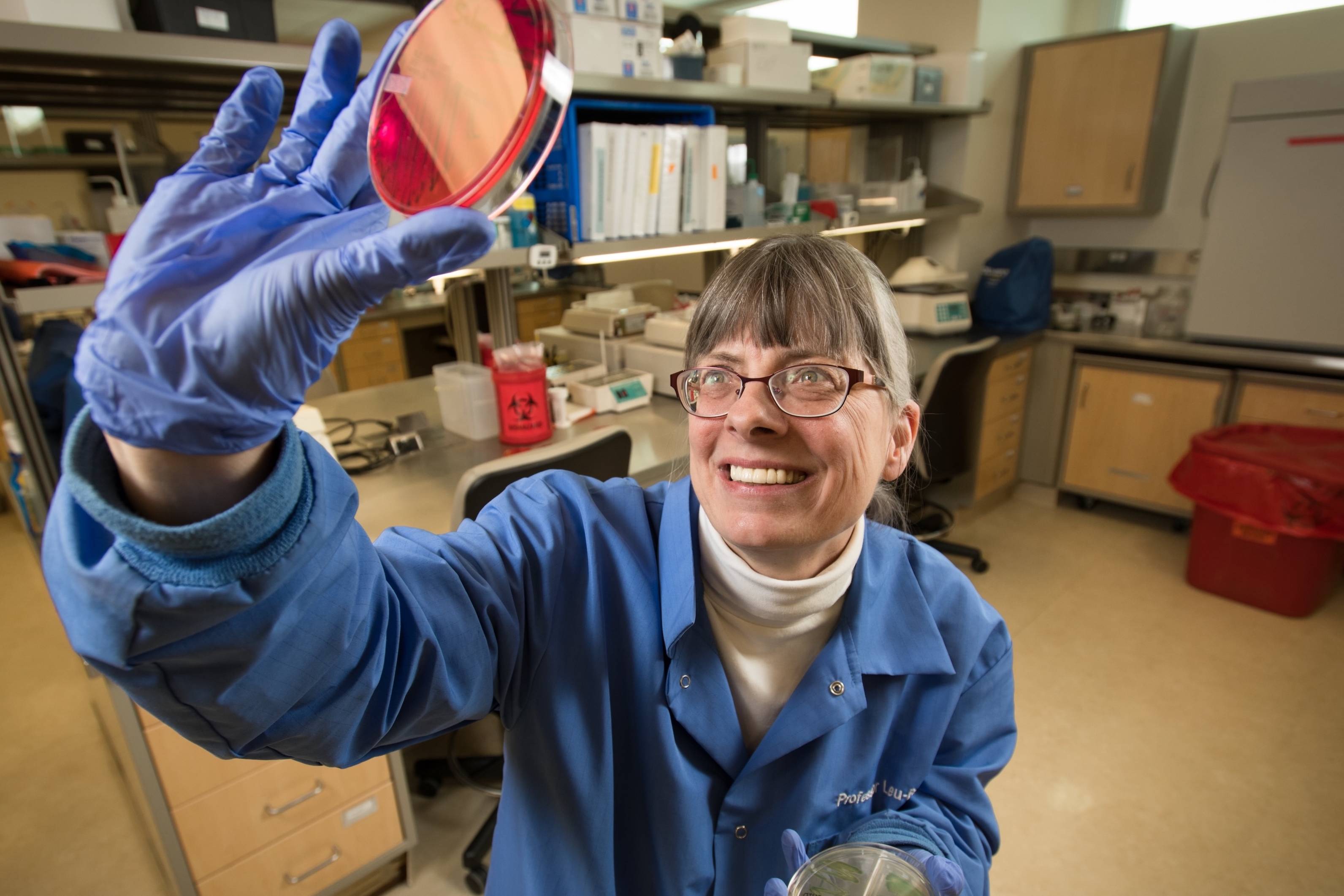
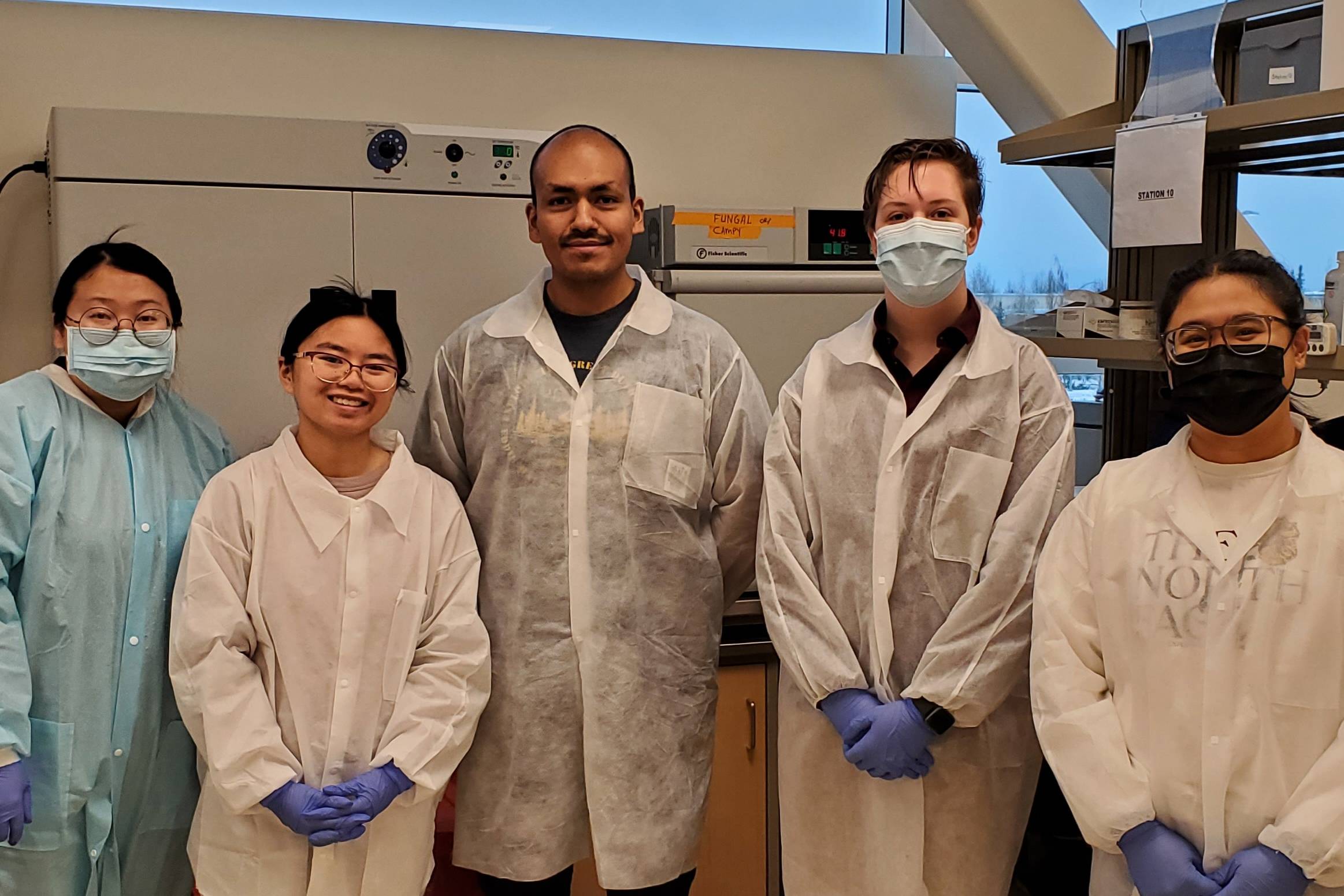
A poster by Medical Laboratory Science program director Grace Leu-Burke and her team has been selected as a Blue Ribbon Finalist by the American Society for Clinical Pathology (ASCP) 2025 Annual Meeting. The poster, “Public health risk assessment from Cryptosporidium colonization in Alaskan urban wildlife,” explores the prevalence of Cryptosporidium, a microbial parasite that infects humans and animals and causes diarrhea.
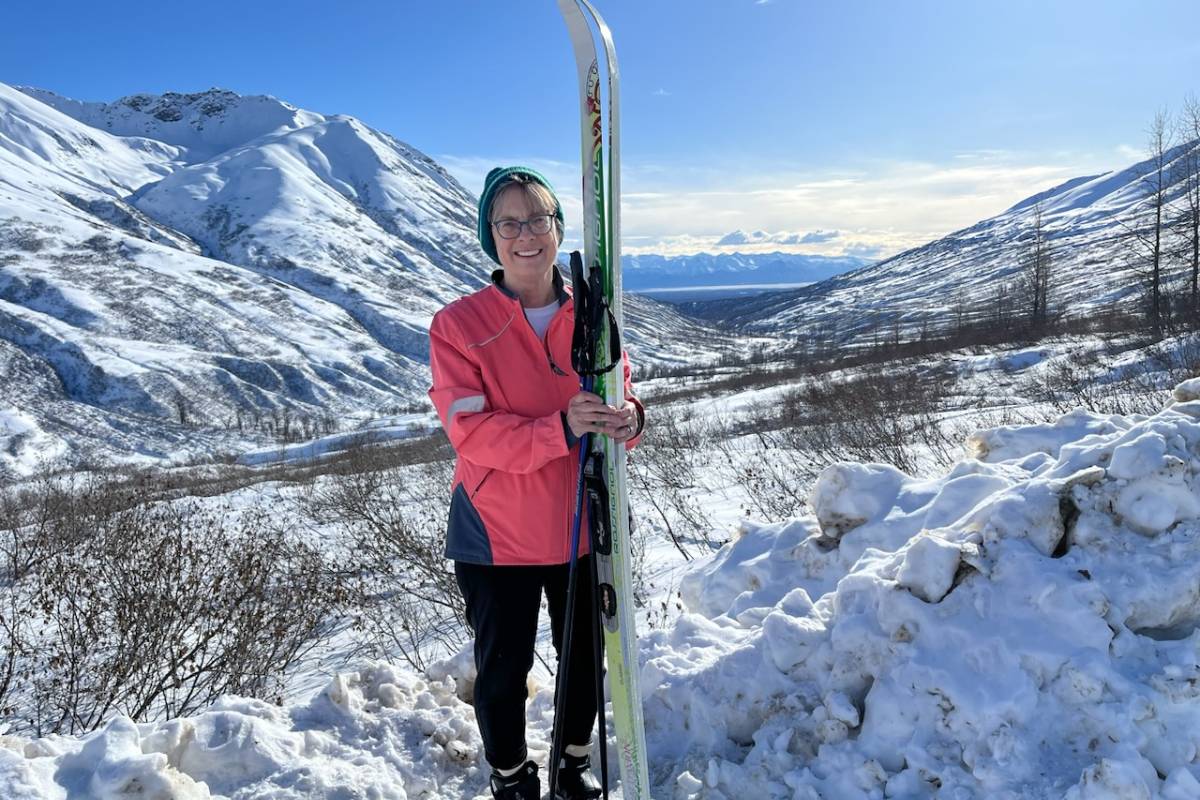
Grace Leu Burke, associate professor and program director of the Medical Laboratory Science program, brings a deep passion for research, diagnostic testing, and student mentorship to the classroom and beyond.
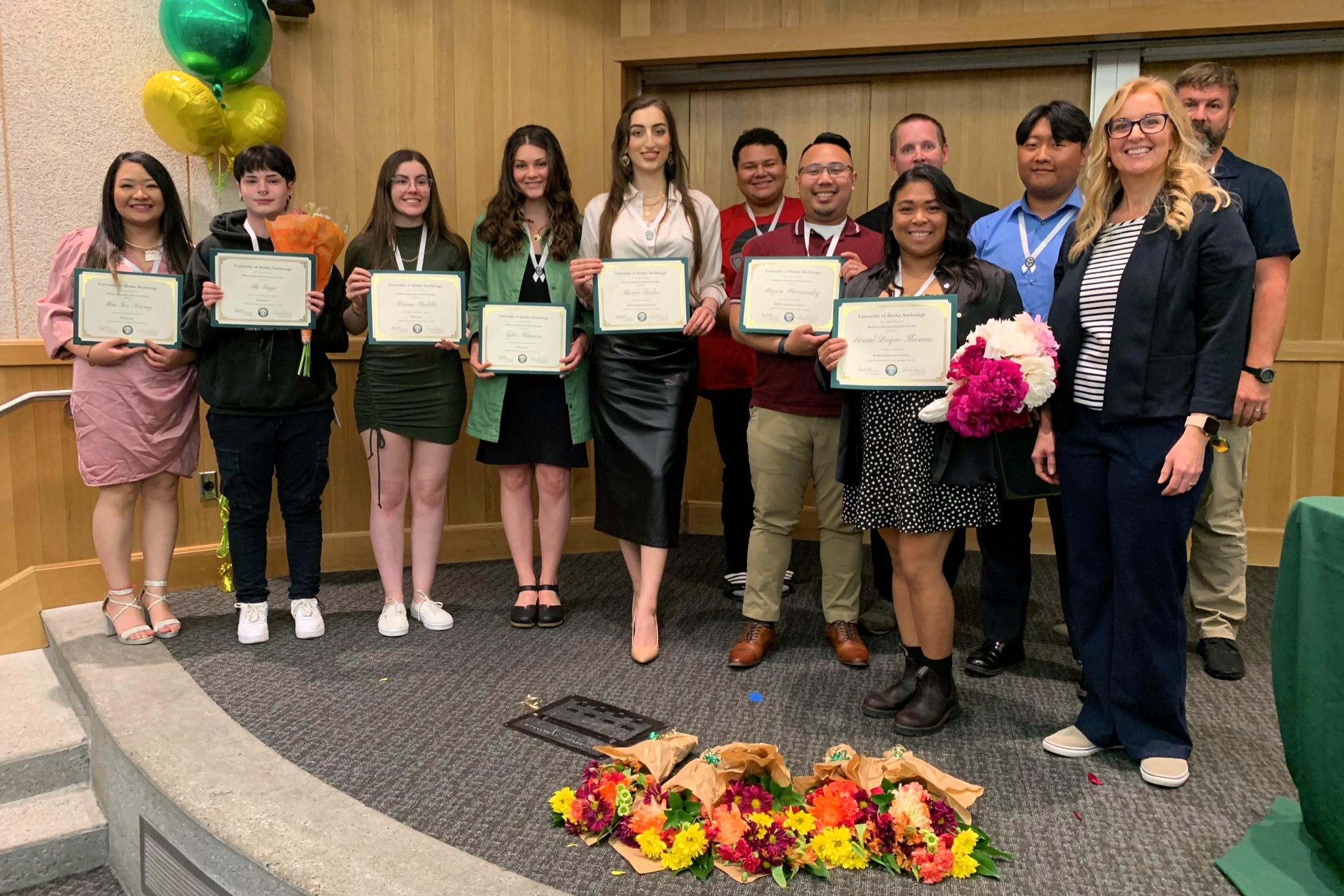
The School of Allied Health celebrates its summer graduates with a memorable pinning ceremony on July 27, 2023, at the Edward & Cathryn Rasmuson Hall of the University of Alaska Anchorage.
Like other animals in the wild, the big animals that roam Alaska’s largest city are carrying bacteria that cannot be killed by commonly used medicines.