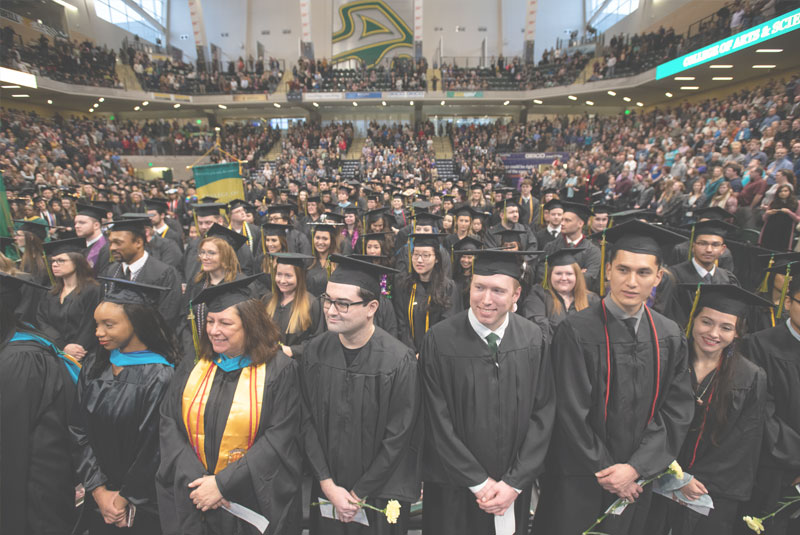
As a comprehensive, open access, public institution offering everything from short-term workforce credentials to graduate programs, UAA invites students to define their journey, create their community, and prepare to make an impact in Alaska and beyond. Striving to be a place where every person who wants an education can be successful, UAA transforms the lives of its students and communities, while honoring our locations on the ancestral lands of Alaska’s First Peoples.
The University of Alaska Anchorage transforms lives with over 150 academic certificate and degree programs, student-focused support services, and a dedicated and talented faculty.
Learn more about admissions processes, taking classes, tour UAA in-person or virtually, and find out more about financial aid. The Office of Financial Aid is available to offer support and advice so you can make informed decisions regarding college funding options. The Enrollment Services Center offers virtual and walk-in appointments to help students apply; get help with financial aid, scholarships, and more.
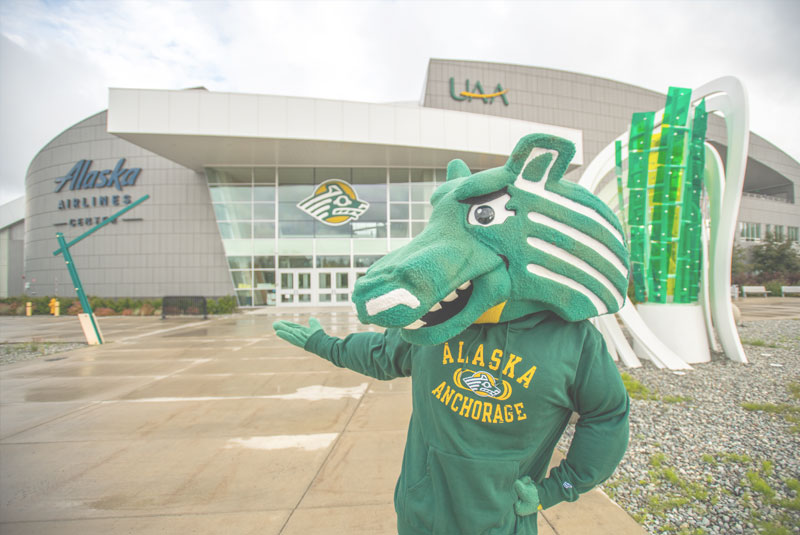
From 13 competitive NCAA teams to recreation and intramural and club sports, students have the opportunity to excel in athletics at every level. The Alaska Airlines Center and Seawolf Sports Complex offer recreation as well as hosting community events and concerts. Students can take advantage of cheering for SeawolfNation with free tickets to many games.
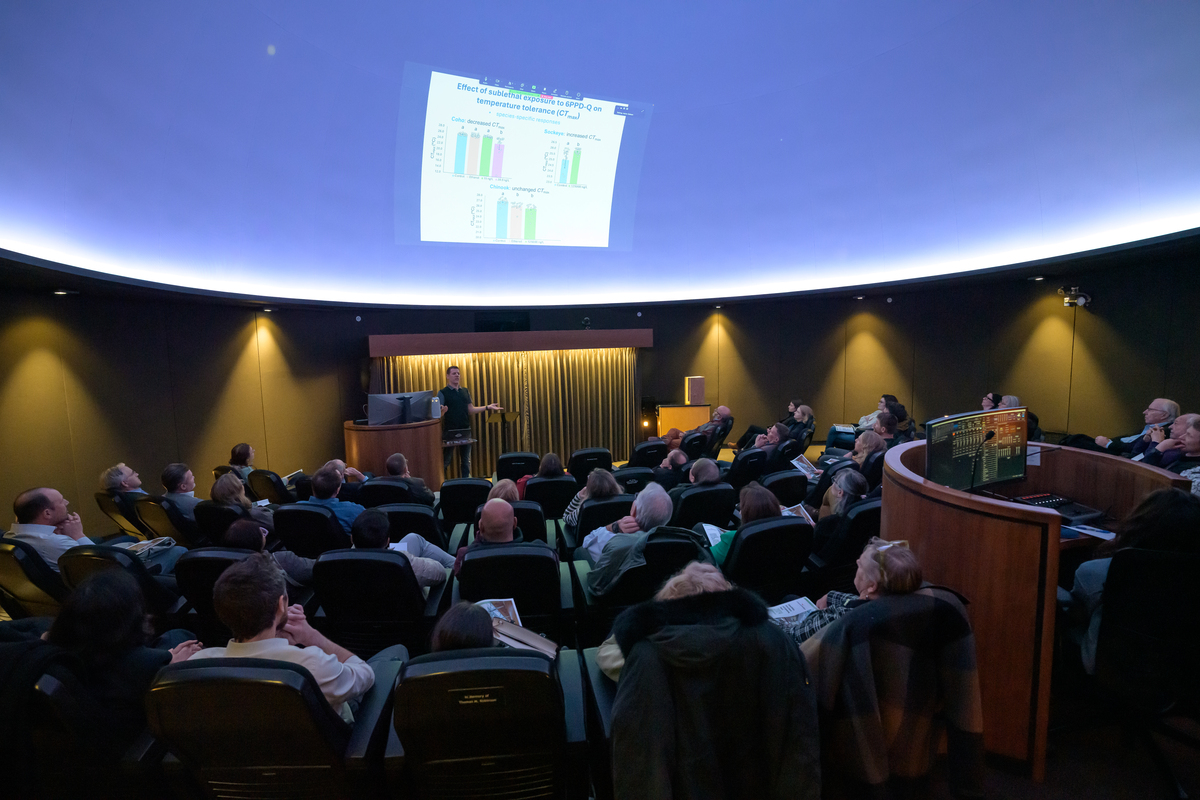
UAA is a hub for cutting-edge theoretical and applied research in health, engineering, and the physical and social sciences. In nearly every discipline, undergraduate and graduate students have the opportunity to join research teams and collaborate with experienced faculty mentors.
Explore the wide variety of services and resources available at UAA to help promote your academic and personal success and well-being. From academic advising to student clubs and residence life, we're here to help you have an amazing university experience.
UAA is located in the ancestral homelands of the Dena'ina, Ahtna, Alutiiq/Sugpiak and Eyak/dAXunhyuu Peoples. Alaska Native academic programs at UAA provide courses, minors, certificates and degrees. Alaska Native student support programs provide centers for belonging across UAA.
March 18, 2025
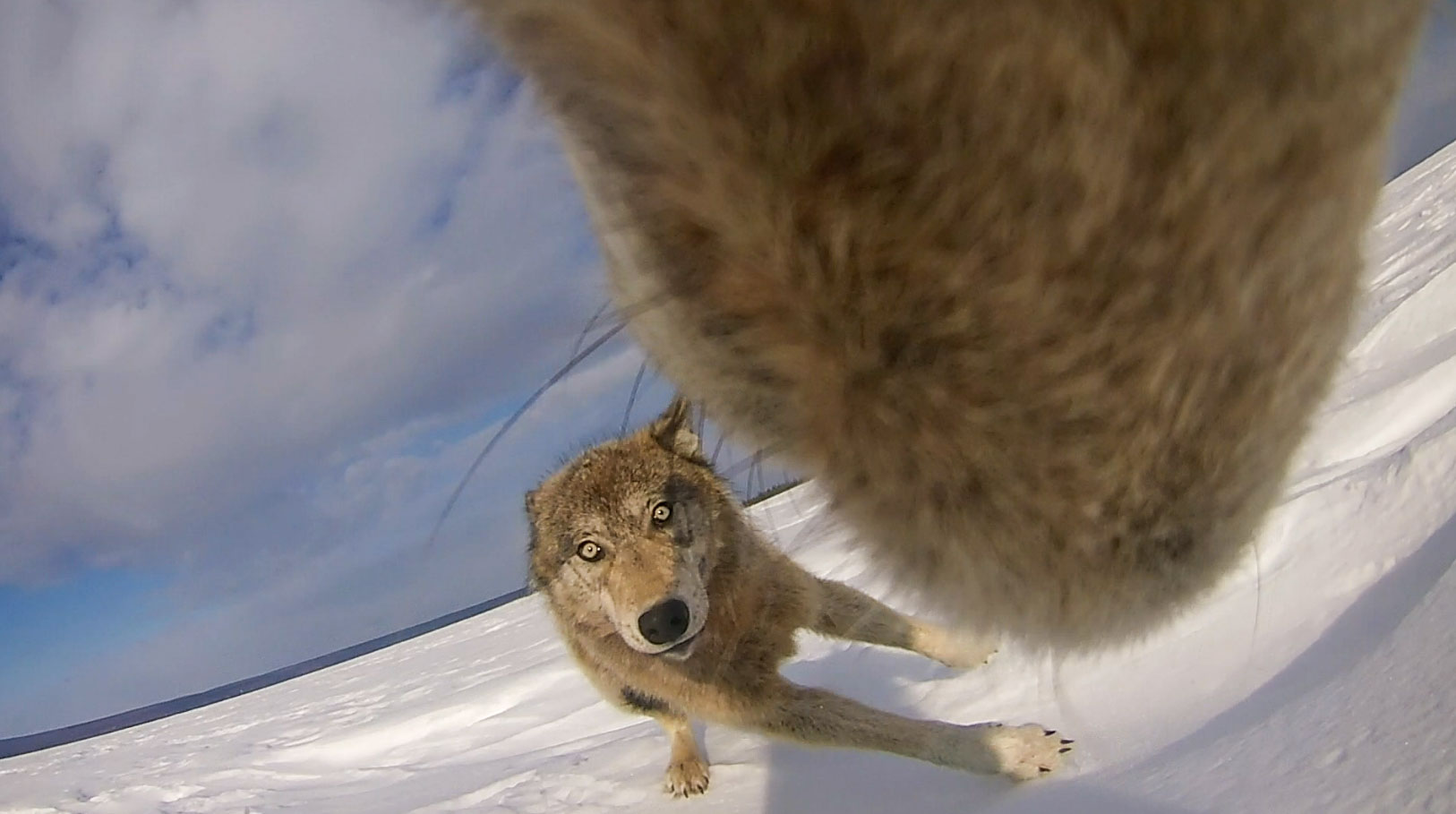
UAA students are used to ‘howling’ for the Seawolves, but last semester a small group of undergraduates had the opportunity to study Southcentral Alaska’s wild wolves thanks to a partnership with the Alaska Department of Fish and Game (ADF&G).
March 13, 2025
As the nation’s only Arctic state, Alaska faces unique challenges and environmental conditions unlike anywhere else in the United States. Faculty and students at the University of Alaska Anchorage continue to drive research that tackles regional challenges in practical ways, such as studying earthquake hazards, wildfire vulnerability and more.
February 27, 2025
Three new grants totaling $133K from the Alaska Department of Education and Early Development will help UAA’s School of Education support apprentice educators in Kodiak, update apprenticeship coursework and launch a leadership initiative in partnership with the University of Alaska Southeast.
February 10, 2025
PWSC graduate Sean Mueller recently returned to Alaska to present his research on kelp farming at the Alaska Marine Sciences Symposium. Mueller believes kelp farming may help with environmental restoration and economic opportunities in Valdez and other coastal communities.
January 21, 2025
Graduate student Kyle Kolda departed Dutch Harbor with the NOAA Fisheries team aboard the R/V Norseman II in April 2024, aiming to gather data on the health and ecology of ribbon and spotted seals in the Bering Sea.
December 10, 2024
A new state-of-the-art, real-world-simulated lab opened by UAA and LG in Anchorage will be used to test all new cold climate products for the North American market. An additional lab in Fairbanks will be used to test below negative 40 degrees Fahrenheit.
November 25, 2024
This August, Raymond Anthony, Ph.D., professor of philosophy, was awarded an Inter-Disciplinary Engagement in Animal Systems (IDEAS) program grant through the USDA National Institute of Food and Agriculture (NIFA).
October 29, 2024
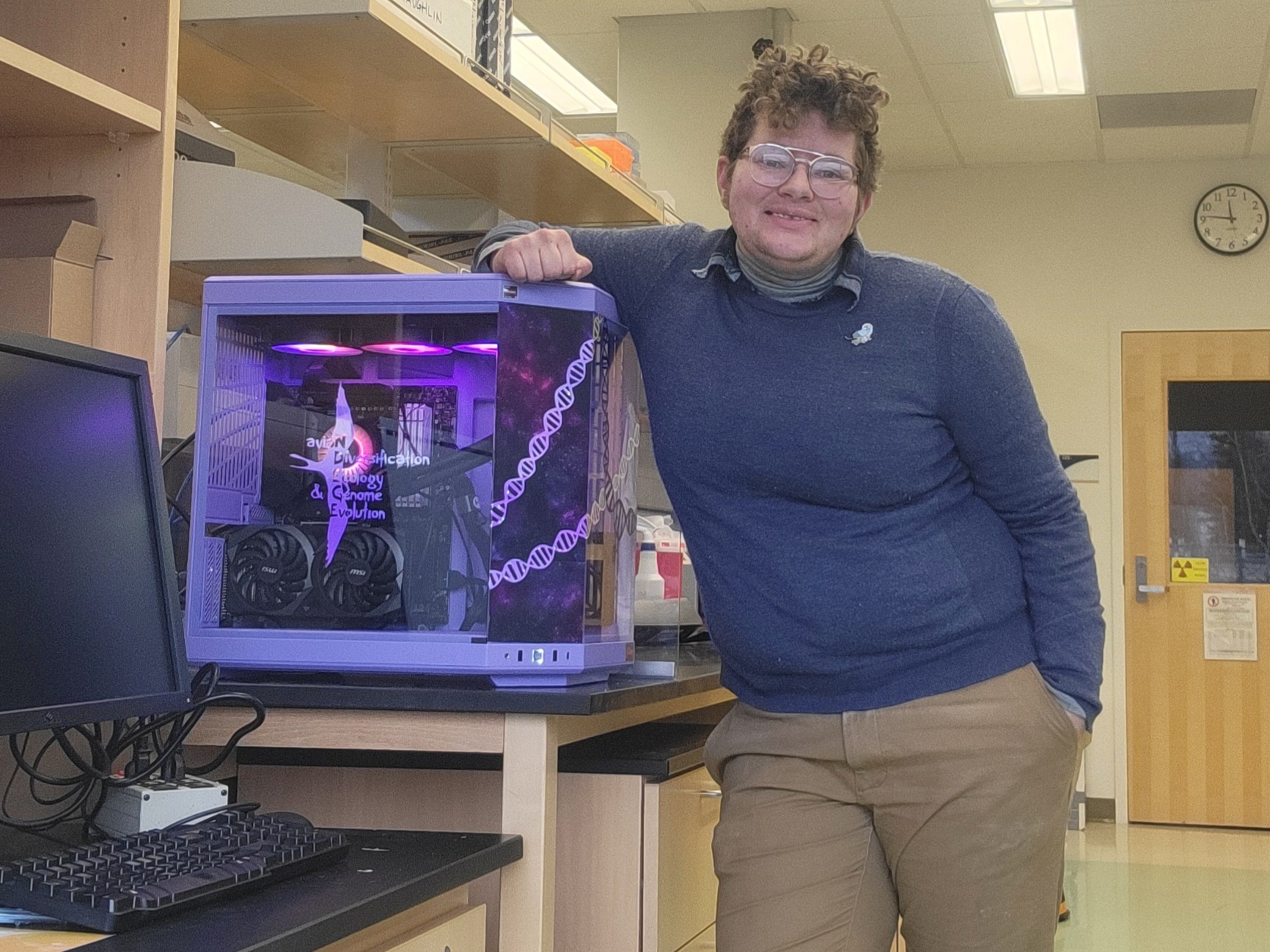
The McLaughlin Lab launched this semester at UAA, with principal investigator Jess McLaughlin, Ph.D., assistant professor in the Department of Biological Sciences, placing ethics at the forefront. McLaughlin is recruiting graduate students for the 2025-26 academic year and is actively thinking about how to prioritize students and local communities.
October 10, 2024
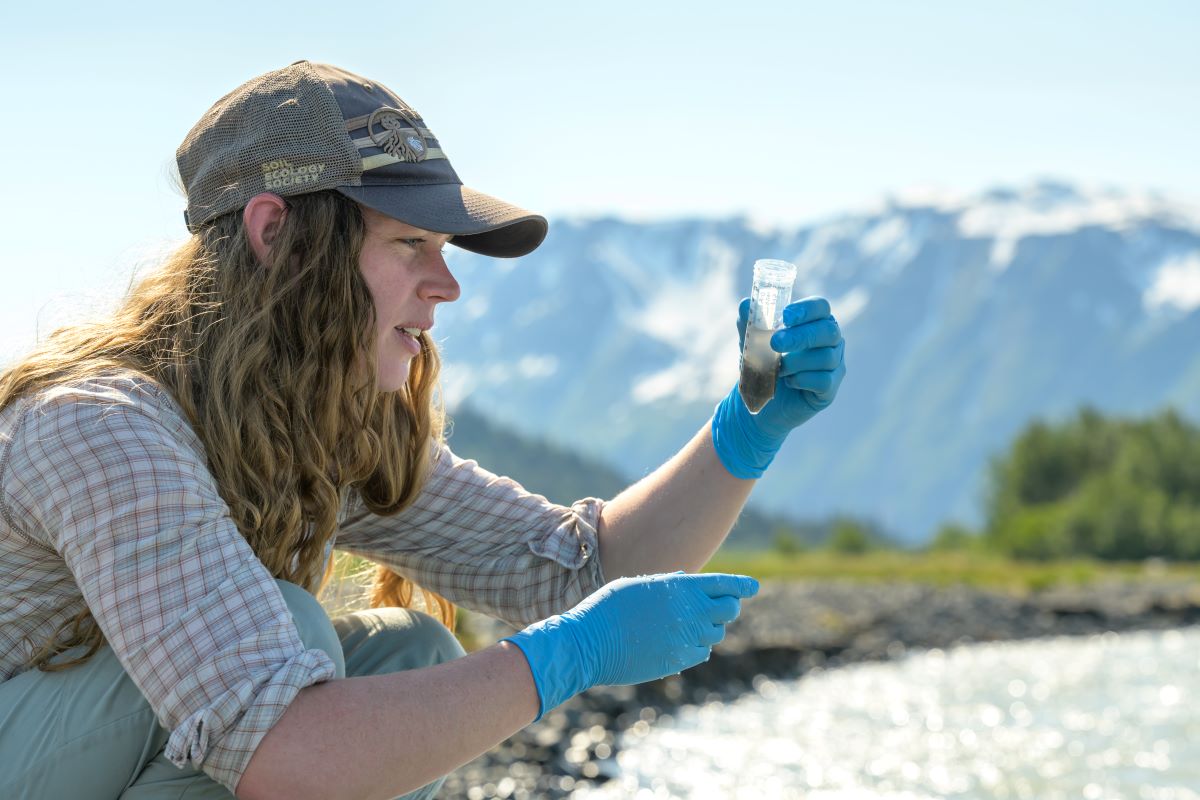
This summer, Memphis Hill, Ph.D., led a team to collect sediment and water samples from sites near Grewingk Glacier in the hopes of identifying ‘extreme microbes’ — microbes that can survive in extreme environments, like underneath glaciers.
September 30, 2024
Scholarly Chronicles: Faculty Voices in Print recognizes the achievements of UAA’s faculty, highlighting their dedication to advancing knowledge in their distinct fields. Through their published research in academic journals, papers and books, they continue to make impactful contributions in the classroom and beyond.