

Building healthier communities together
by Matt Jardin |
Even though UAA prides itself as being an open-access, dual-mission institution designed to cultivate a skilled workforce across every industry, its physical location ties it deeply to another sector. As the U in Anchorage’s UMED District, UAA is right across the street from Providence Alaska Medical Center and down the road from the Alaska Native Health Campus, maintaining an undeniable connection to the health and well-being of Alaskans.
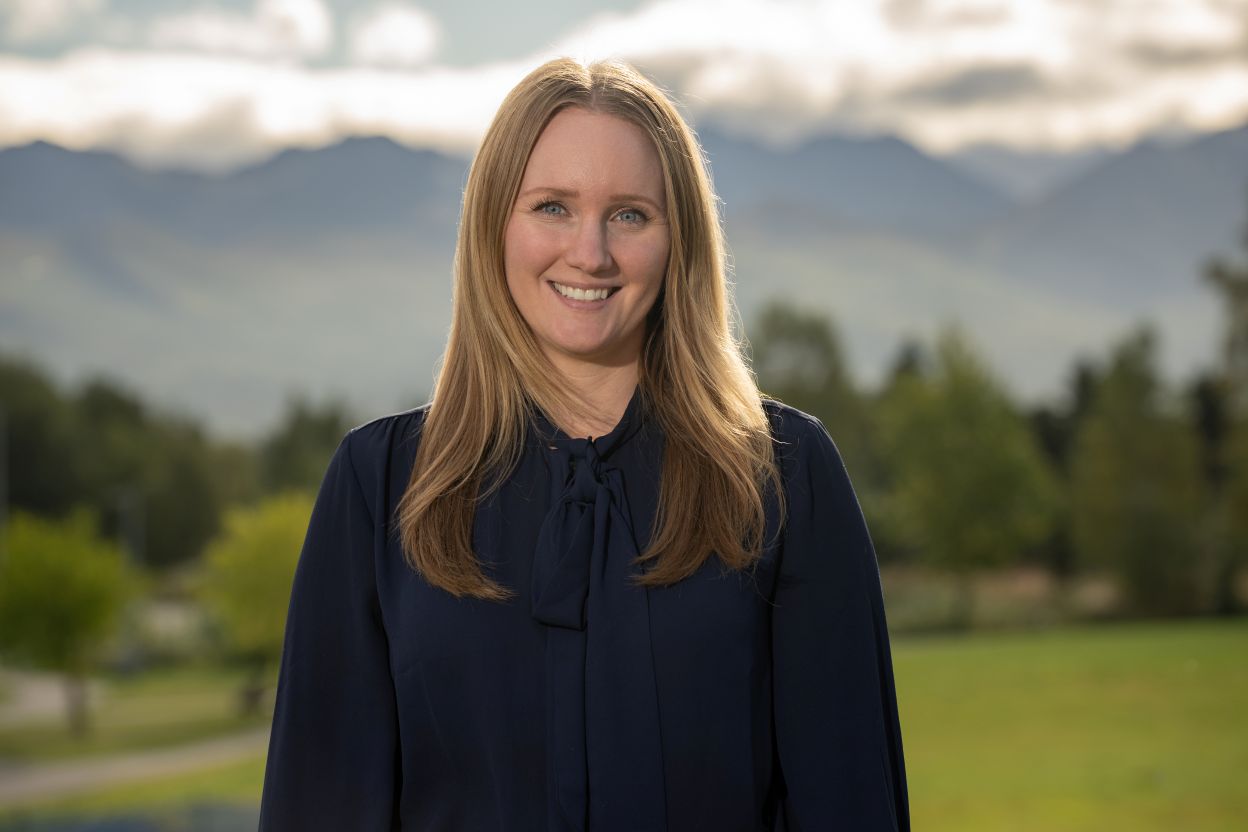
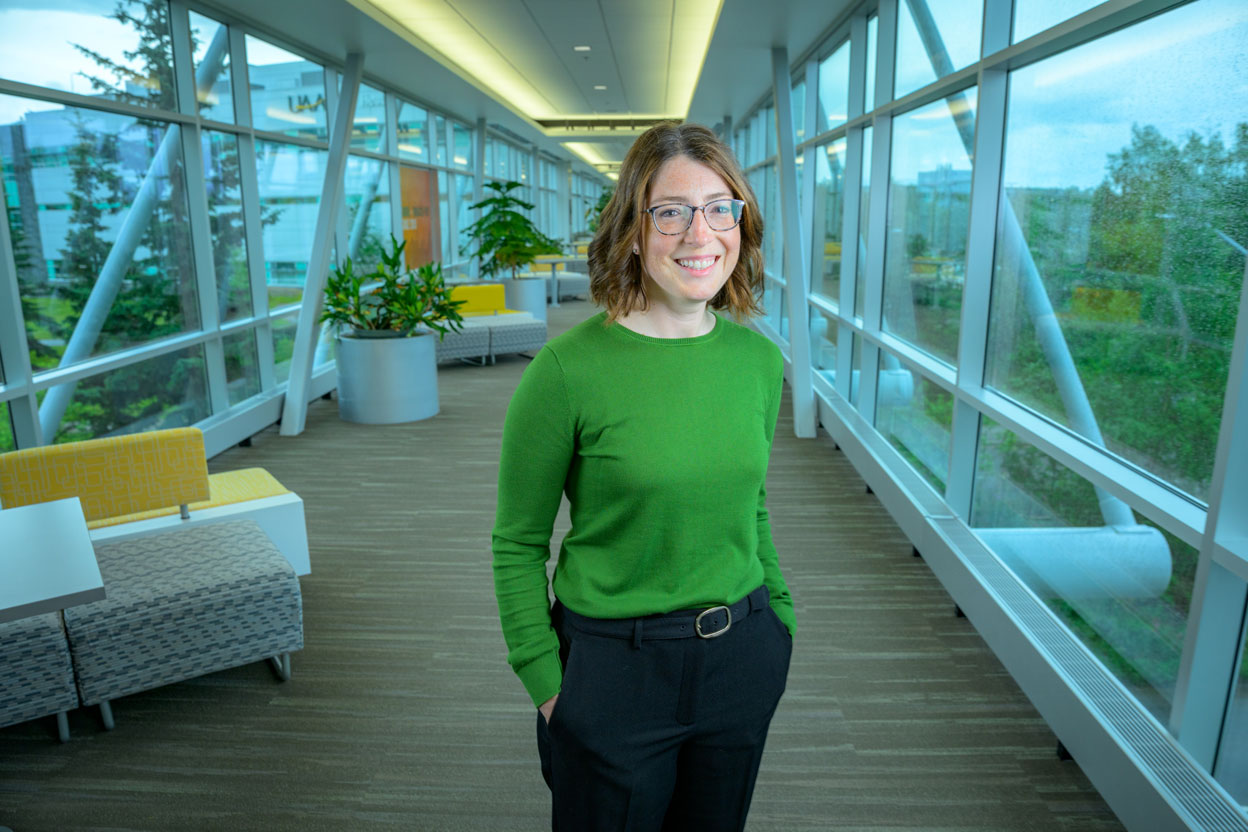
That commitment serves as the cornerstone of this year’s Alumni Homecoming Luncheon, themed building Alaska’s health together. Speaking on that theme is keynote speaker Emily Ricci, an alumna of UAA’s Master of Public Health program who serves as the deputy commissioner at the Alaska Department of Health.
“Public health is really a reflection of all of these different influences that impact an individual's well-being — these can be environmental, systemic or financial,” said Ricci. “All these elements impact the overall well-being of a community, and ultimately, the individuals that we love and are connected to. If you want healthier communities, healthier families, it's not just about a medical intervention in a clinic one time. It's about the environment that people are living in.”
In this capacity, Ricci administers the intricacies of Alaska’s Medicaid program. Her oversight includes behavioral health services and resources for seniors and people with disabilities, as well as health facilities licensing, provider reimbursement and financing. Because Medicaid is the primary health insurance for more than 30% of Alaska’s population, Ricci utilizes complex policy levers and funding sources to implement systemic healthcare changes across the state’s urban and rural communities. Under her direction, the department has achieved milestones such as extending postpartum Medicaid coverage from 60 days to a full year and legislation to create a new license type to support individuals with severe and complex behavioral health needs.
Overseeing these programs allows Ricci to connect individuals directly with essential services, which she considers her favorite aspect of her career. Though broad healthcare policy, financing and administration operate behind the scenes where most people rarely think about them, they are essential to sustain personal and public well-being.
“My job is a mix of policy, operations, financing and really important conversations about where we're focusing resources and the values we want to represent,” said Ricci. “This has probably been the hardest job I've ever had, but also the most rewarding because I get to connect the people we’re serving to programs they need. When you're talking about policy, financing and other large projects, you don't always get to see that impact on the individual.”
Born and raised in Juneau, Ricci originally planned to pursue a career in journalism as she was interested in how storytelling can bring attention to pressing issues. After earning her bachelor’s degree in journalism from Emerson College in Boston, she returned home to commercial fish before embarking on an international journey with her father.
Arriving in Sri Lanka four months after the devastating 2004 tsunami, she altered her itinerary to stay and volunteer for six weeks, assisting local relief groups as they set up emergency clinics and distributed supplies. Later that year, she served with the American Red Cross to aid evacuees displaced by Hurricane Katrina. Those emergency relief missions showed her the power of crisis response, prompting her to join the Peace Corps. Serving for more than two years as a rural community health volunteer in West Africa, she focused on public health initiatives including clean water access, sanitation, vaccination campaigns and nutrition education.
“I wanted to tell stories that highlighted things that were happening in the world,” said Ricci. “I felt very deeply about the challenges people around the world were experiencing. So how could I try to tell their stories in a way that would motivate others to help? But later on I realized there were other ways that were probably a better fit for me to try to help people.”
Returning home to Alaska with a desire to create systemic change, Ricci transitioned into legislative policy work as a staffer and later managed marketing and public affairs for the Port of Anchorage. Recognizing that her true passion was in healthcare policy, she decided to advance her training by enrolling in UAA’s M.P.H. program. Long before the COVID-19 pandemic made online learning common, UAA allowed her the flexibility to pursue a graduate degree from Juneau while remaining employed full-time with the state.
Her educational journey encountered an unexpected challenge when a personal health crisis emerged. While balancing her career, planning a wedding and completing her coursework, Ricci was diagnosed with cancer right before starting her final capstone project. After stepping away from her studies to undergo treatment, she eased back in thanks to the encouragement of her faculty mentors.
If there was a silver lining to her health crisis, it was that reading research papers about cancer while undergoing treatment revealed critical gaps in the academic literature. Upon returning to the program, Ricci focused her capstone project on the experiences of young adult cancer survivors in Alaska.
“Once I started to recover, it was hard for me to figure out who I am now and what I wanted to focus on,” said Ricci. “That was one of the things that was really special about UAA. It took me a while to get back into a space where I could work on the capstone. Without support from the faculty, it's possible I would not have finished, which would have been very unusual for me.”
Today, the experiences of young adult cancer survivors Ricci highlighted in her capstone project are much more widely recognized, demonstrating how personal insights and academic research can directly influence knowledge and policy to benefit the broader community. It is precisely this message of shared responsibility and human connection she plans to deliver in her keynote address.
“We all get to decide how we engage in the world,” said Ricci. “If we want to build a healthier Alaska, it starts by how we relate to each other. There’s so much that encourages us to focus on the things that make us different. But ultimately, choosing to be positive with the people around you is one way we can help build healthier communities, and that doesn't require any funding or government intervention. It's something we can all choose to do. Be kind. Connect with people. Be a good community member.”
 "Building healthier communities together" is licensed under a Creative Commons Attribution-NonCommercial 4.0 International License.