




Understanding Shakespeare’s message on death
by Keenan James Britt |
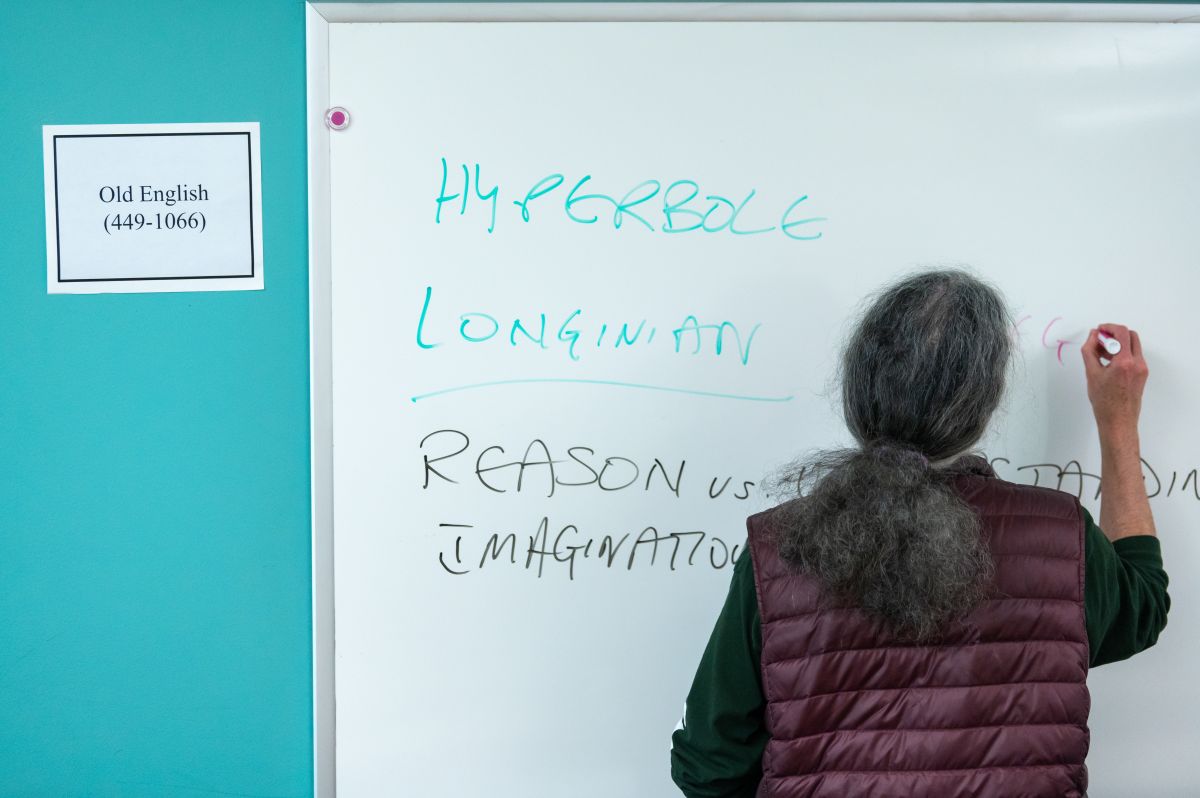
Students who have read, watched or performed any of the works of William Shakespeare know how frequently death factors into the plot. Tragedies like Romeo and Juliet, Othello and Hamlet end with deaths of the titular characters — and many others, as well.
Toby Widdicombe, Ph.D., professor of English, recently published a book exploring Shakespeare’s handling of death, titled Shakespeare's Counternarrative Against Death: Immortal Longings in His Plays and Poetry. Widdicombe argues that Shakespeare did not present a character’s death as a final end, but rather offered alternate ideas, or counternarratives, against the finality of death.
“Shakespeare’s enduring significance lies in the persistent counternarrative his plays and poetry offer against the permanence of mortality,” wrote Widdicombe. “What matters with Shakespeare is his persistent and convincing belief that we can be immortal even in the face of — especially in the face of — death.”
Life – and death – in Shakespeare’s time
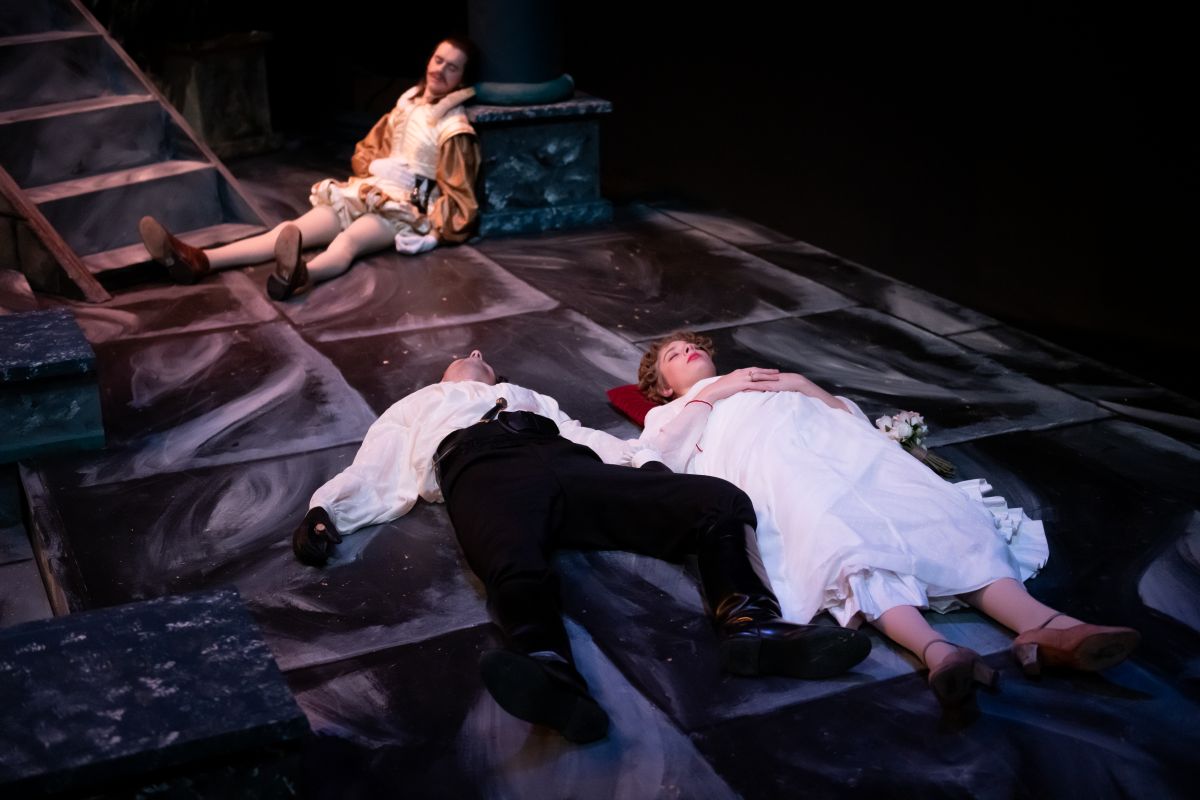
While students today generally have their first exposure to Shakespeare’s works while reading a play in class, folks living in England in the late 16th and early 17th centuries would have had their first experience by seeing those plays performed live at a theatre.
Widdicombe notes that those in Shakespeare’s time who paid to view the tragedies live experienced an “immediacy and intensity” in the live delivery. “There is much to be gained by reading, say, Macbeth but watching it live with other people is another thing entirely,” wrote Widdicombe. “Reading it is profound and deeply moving. Watching it brings out goose bumps and primal fears in virtually everyone.”
Likewise, audiences in Elizabethan and Jacobean England likely felt death as something more immediate and intense than modern audiences. Widdicombe provides an overview of the era’s shorter life expectancies, poor public sanitation, rudimentary medical and dental practices, and numerous outbreaks of plague. Widdicombe argues that Shakespeare’s plays present the idea to the audience that “life was short and should be enjoyed.”.
“Death was relentless. Best to try to ignore it or indulge in the sight of others — on stage — expressing that idea with momentary happiness or showing the sorrows of more powerful men and women,” Widdicombe explained. “It will not have been lost on Shakespeare’s audience that theaters were a major spreader of the plague because the audiences there were standing or sitting so close to each other. They risked their lives, but they thought it worthwhile.”
Finding immortality upon the stage
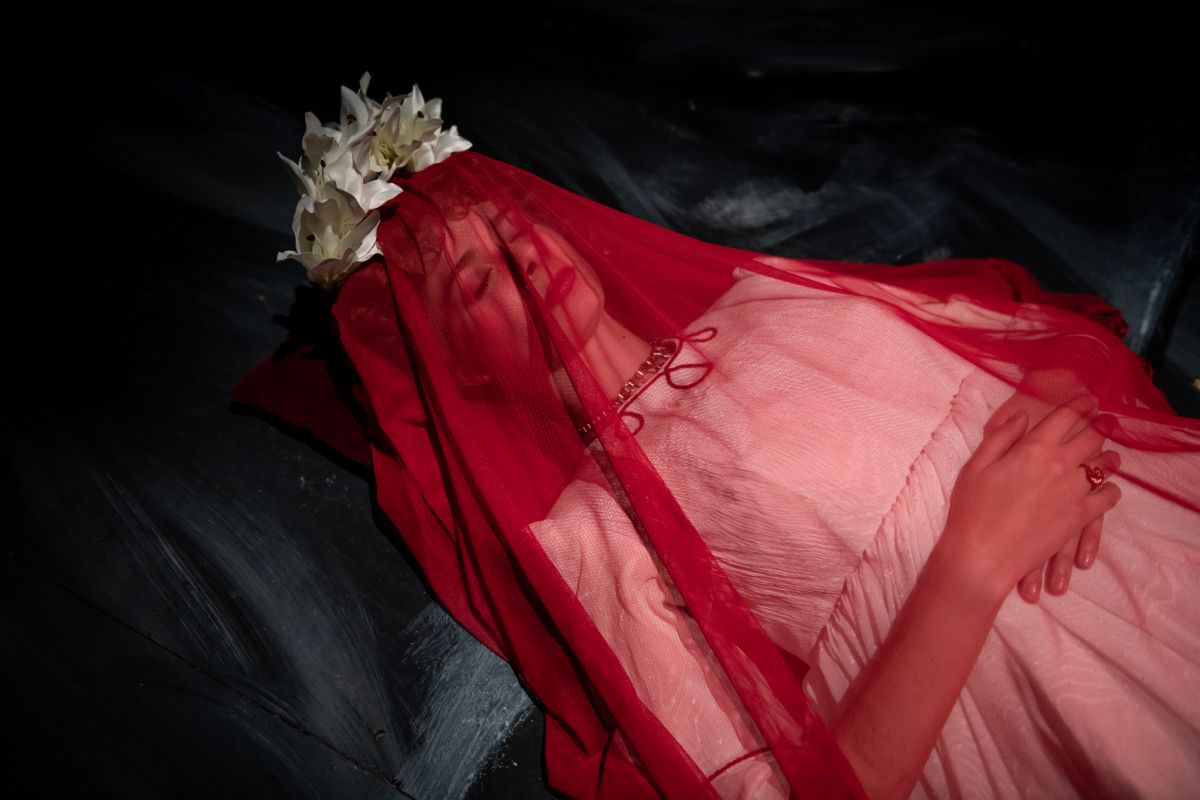
Widdicombe’s book reflects on the many ways (or “strategies” as Widdicombe terms them) that Shakespeare suggested mortals may seek immortality, including spiritual means, having children and achieving fame. Shakespeare, who famously used the stage as a metaphor for real life (“all the world’s a stage”), offered some of his characters immortality through the stage.
In Julius Caesar, after Brutus and Cassius assassinate Caesar, they engage in what Widdicombe calls a “metadramatic exchange” by discussing how the assassination will cause Caesar’s fame to live on through theatrical reenactment. Cassius remarks, “How many ages hence / Shall this our lofty scene be acted over / In states unborn and accents yet unknown!”
Shortly before his demise in his own tragedy, Macbeth uses the stage metaphor to vent his nihilistic frustration: “Life’s but a walking shadow, a poor player / That struts and frets his hour upon the stage / And then is heard no more.” Yet, Widdicombe noted that Macbeth’s use of the metaphor is ironic since the tragedy has been performed thousands of times since: “In the Elizabethan and Jacobean ages in particular when plays such as Macbeth will have been performed in something very like modern repertory. That ‘hour’ would have come round again and again.”
In the iconic gravedigger scene in Hamlet, Prince Hamlet holds the skull of Yorick, a deceased court jester he knew as a child: “A fellow of infinite jest, of most excellent fancy. He hath bore me on his back a thousand times.”
Widdicombe offered his interpretation of the scene in his book. “Yes, we will all die but — as Yorick’s skull shows — we will be remembered by those who knew us, and they will cherish memories of what we did,” wrote Widdicombe. “That is the closest to immortality most of us will get — beyond the irony that Yorick and his skull have lived in academic and popular cultures for more than 400 years. That is immortality of a different sort, perhaps.”
 "Understanding Shakespeare’s message on death" is licensed under a Creative Commons Attribution-NonCommercial 4.0 International License.