The Hunger and Homelessness Support Network (HHSN)
Hunger & Homelessness Support Network
The Hunger and Homelessness Support Network (HHSN) is an interdisciplinary, cross-campus
initiative based in the College of Health that works to develop sustainable solutions
for UAA students facing food and housing insecurity. Our research team conducted multiple
campus-wide surveys to identify economic barriers that impact students' well-being and education.
Results of our initial (published) survey found:
8.3% of UAA students have experienced homelessness at some point while being a student.
44% of UAA students experienced food insecurity during the school year.
30% of UAA students experience housing insecurity and couldn’t afford to stay in their
current place of residence, even if they wanted to.
A follow up (unpublished) survey was conducted in November 2018 and found:
10.4% of UAA students have experienced homelessness
37% of UAA students don’t know if they can pay rent next month
Financial insecurity negatively impacts education and delays program completion for
46% UAA students
UAA employees, students and community programs provide services to help students get
what they need so they can focus on their education.
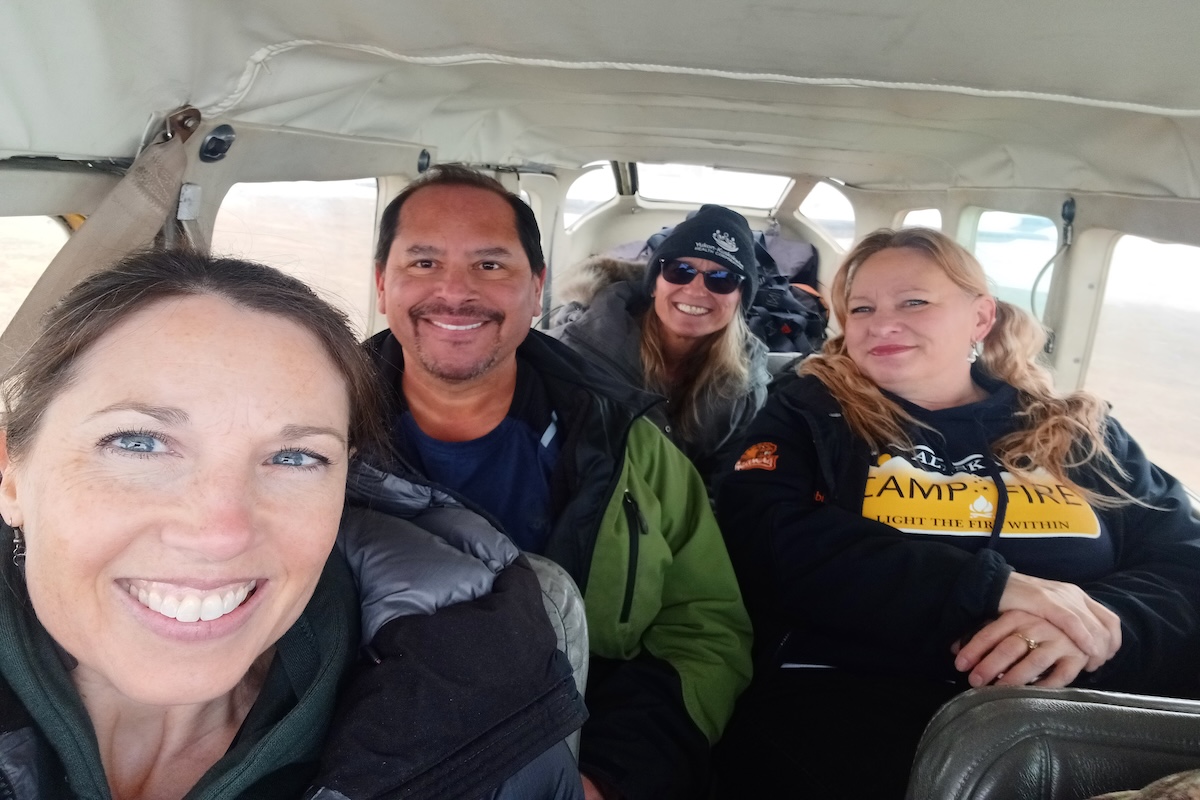
Lynn Troyer, an academic advisor for the School of Nursing at the University of Alaska Anchorage, traveled to Bethel as part of the Alaska-Rural Community Overdose Response Project (AK-RCORP).
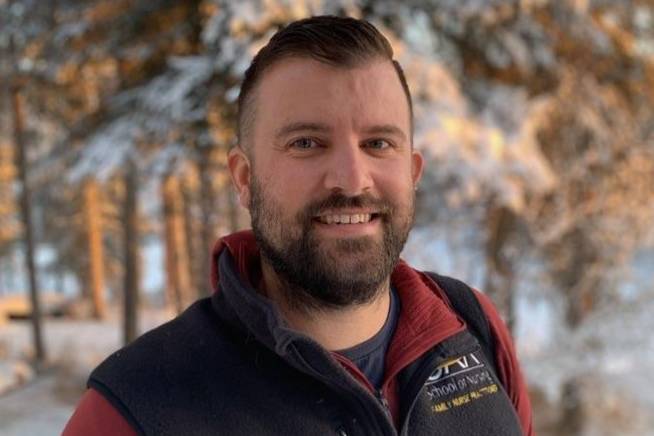
Recently, on November 7, the UAA College of Health’s Interprofessional Education (IPE) Committee launched its 2025–2026 event series with a session focused on “A Lived Experience with Disabilities.”
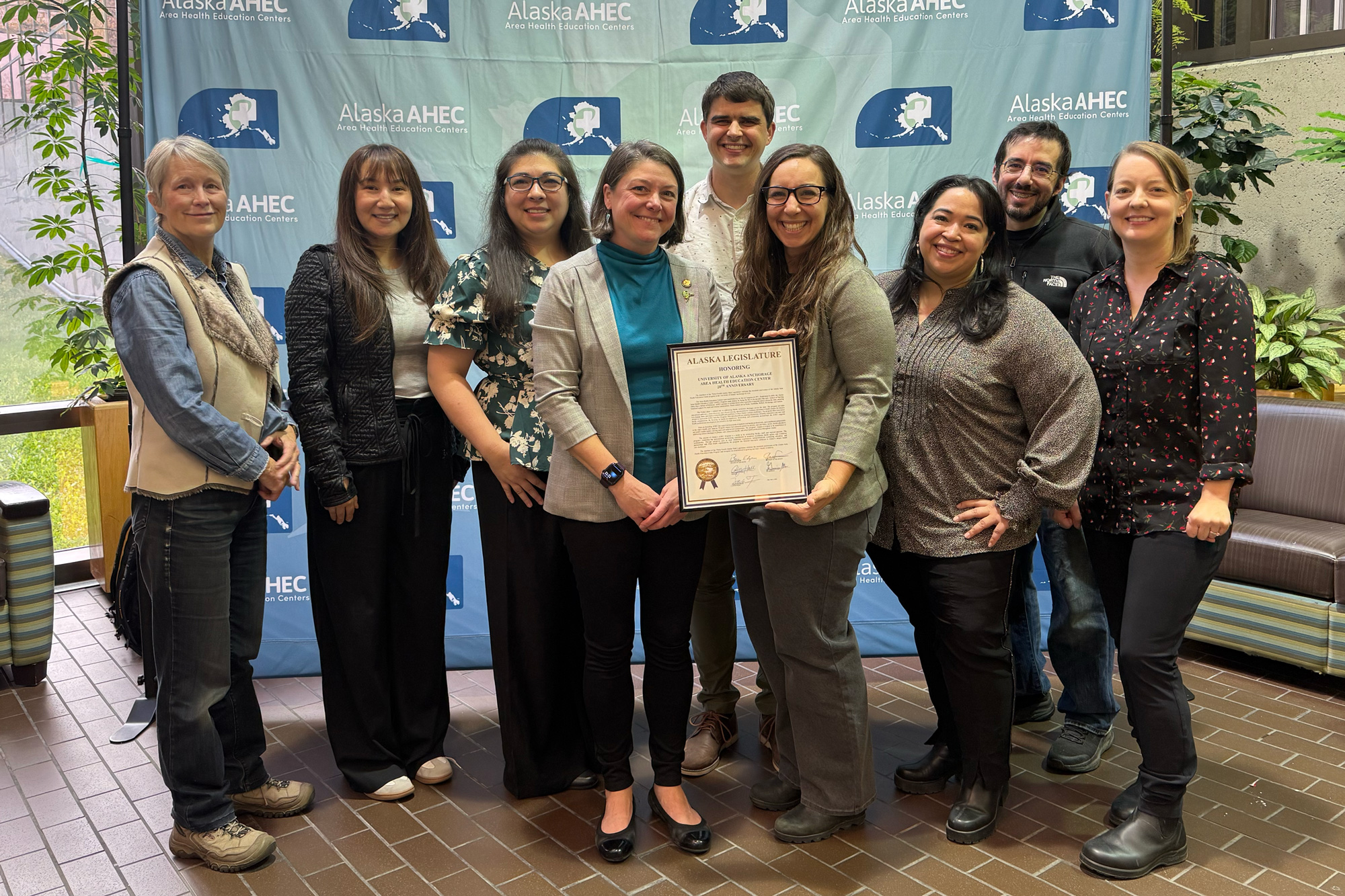
Oct. 3, 2025, was a big day for the Alaska Area Health Education Center (AHEC), which is proudly housed within the UAA College of Health! AHEC marked its 20th anniversary with a special legislative citation from the Alaska State Legislature—a well-deserved recognition for two decades of crucial work.
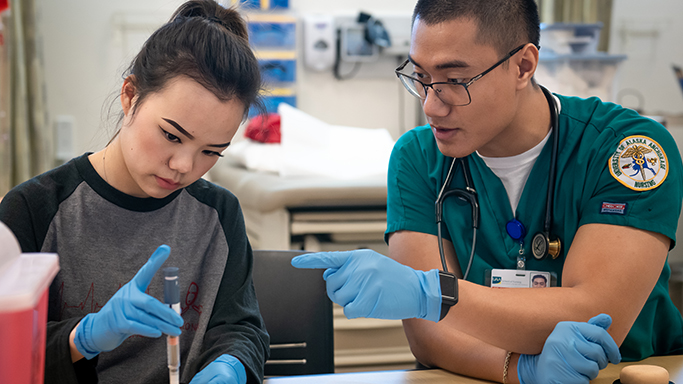
UAA's Area Health Education Center (AHEC) helped bring hands-on healthcare career opportunities to over 100 students at a career fair in Ninilchik, where they engaged in activities like sheep eye dissections to explore health-related fields.