The Hunger and Homelessness Support Network (HHSN)
Hunger & Homelessness Support Network
The Hunger and Homelessness Support Network (HHSN) is an interdisciplinary, cross-campus
initiative based in the College of Health that works to develop sustainable solutions
for UAA students facing food and housing insecurity. Our research team conducted multiple
campus-wide surveys to identify economic barriers that impact students' well-being and education.
Results of our initial (published) survey found:
8.3% of UAA students have experienced homelessness at some point while being a student.
44% of UAA students experienced food insecurity during the school year.
30% of UAA students experience housing insecurity and couldn’t afford to stay in their
current place of residence, even if they wanted to.
A follow up (unpublished) survey was conducted in November 2018 and found:
10.4% of UAA students have experienced homelessness
37% of UAA students don’t know if they can pay rent next month
Financial insecurity negatively impacts education and delays program completion for
46% UAA students
UAA employees, students and community programs provide services to help students get
what they need so they can focus on their education.
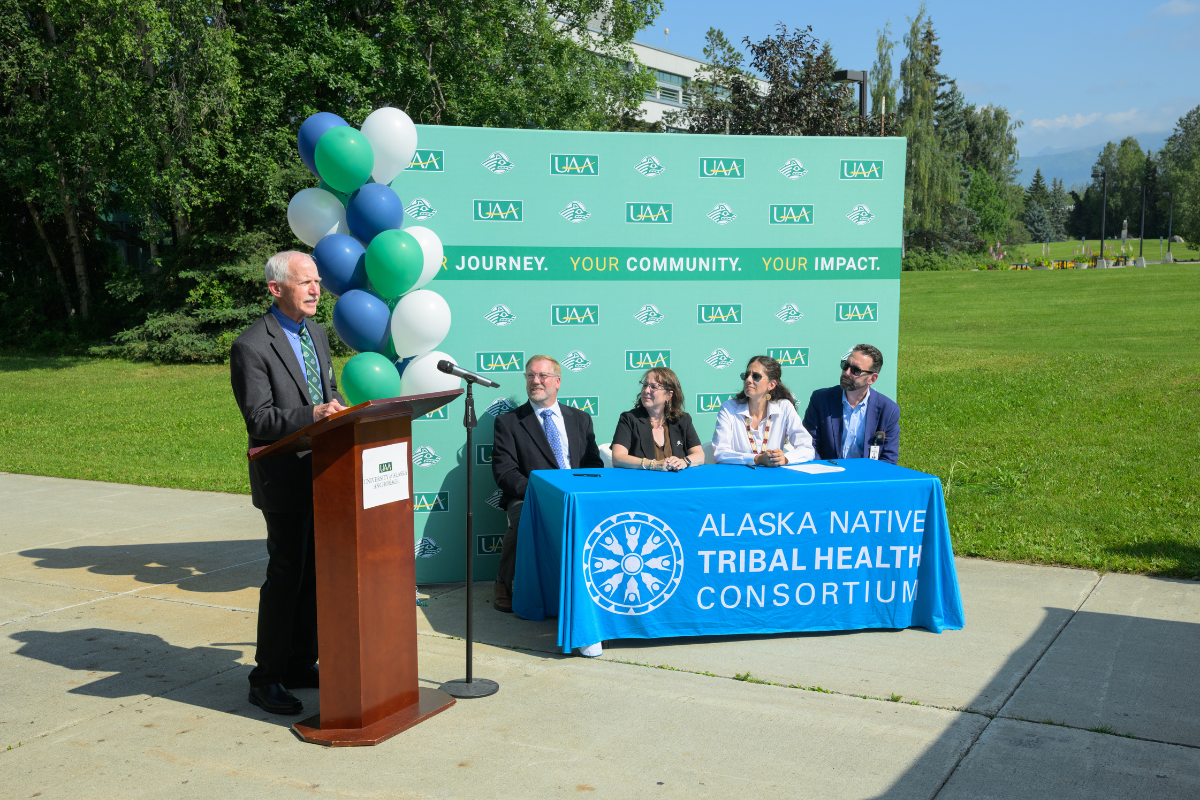
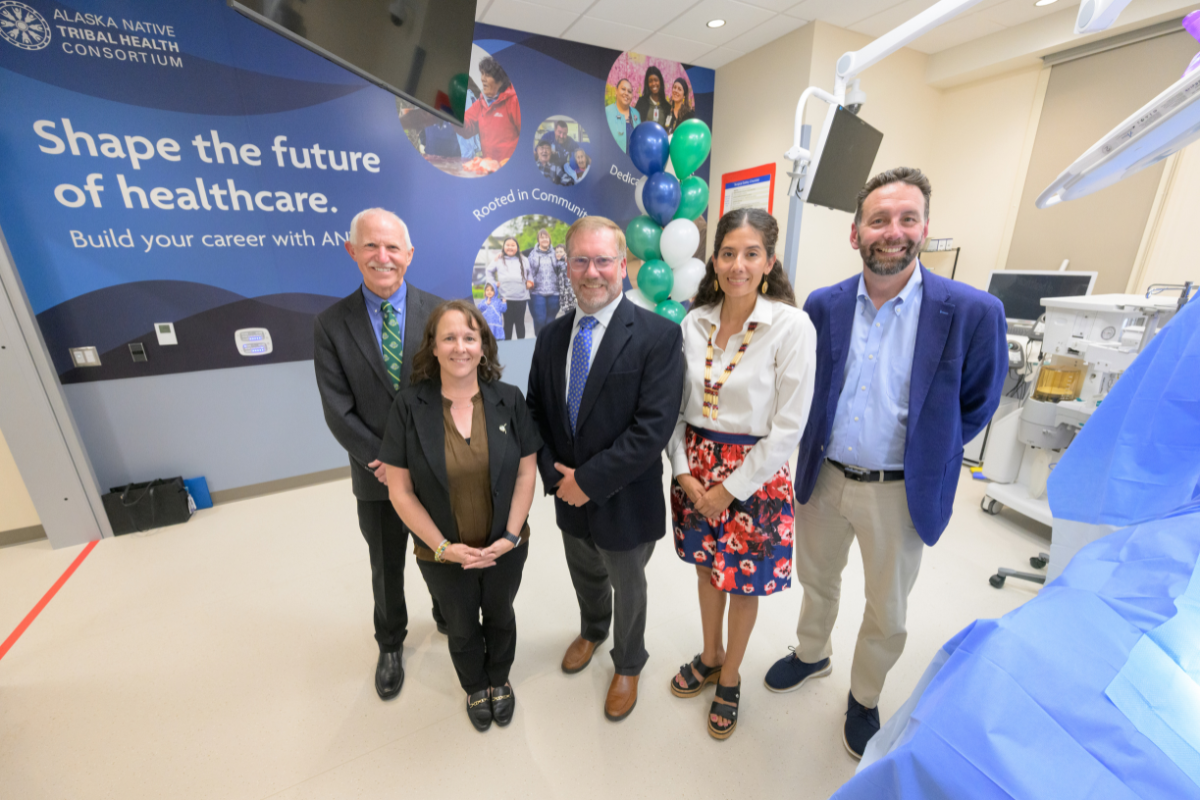
A new partnership between the University of Alaska Anchorage and the Alaska Native Tribal Health Consortium will allow healthcare students to complete their clinical rotations at local ANTHC facilities.
The Alaska Native Tribal Health Consortium (ANTHC) and the University of Alaska Anchorage (UAA) have launched a new partnership to prepare the next generation of healthcare professionals and strengthen Alaska’s workforce.
The University of Alaska Anchorage and the Alaska Native Tribal Health Consortium are teaming up to help train more Alaskans for careers in health care.
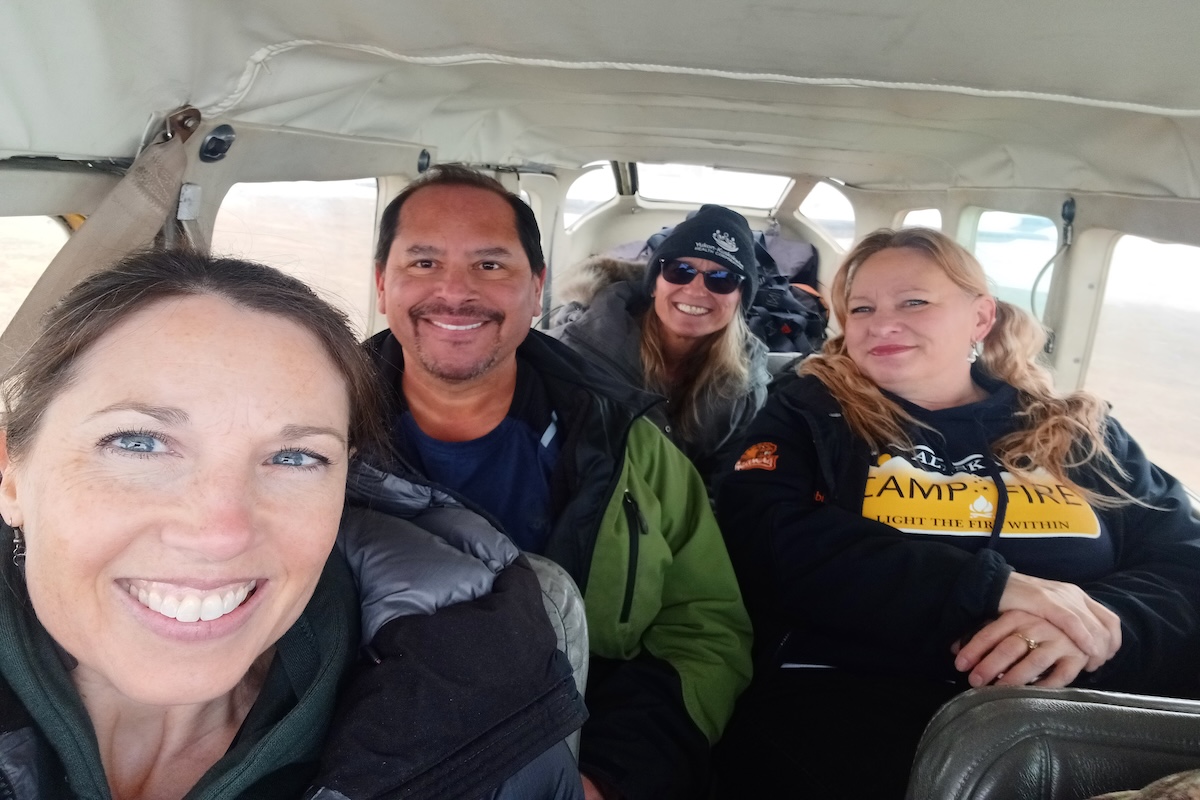
Lynn Troyer, an academic advisor for the School of Nursing at the University of Alaska Anchorage, traveled to Bethel as part of the Alaska-Rural Community Overdose Response Project (AK-RCORP).
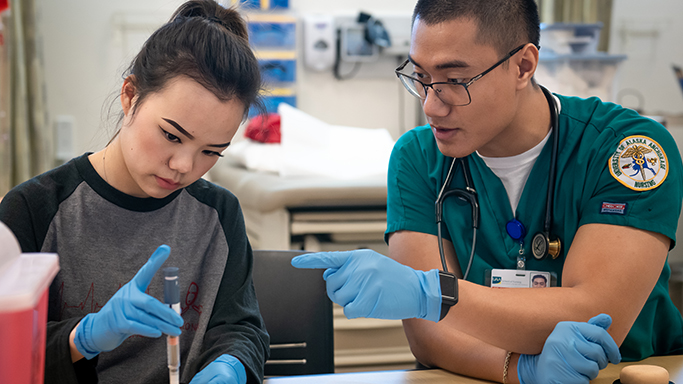
Seventy students earned their bachelor's nursing degrees from the University of Alaska Anchorage this week as the country recognizes National Nurses Week.