The Hunger and Homelessness Support Network (HHSN)
Hunger & Homelessness Support Network
The Hunger and Homelessness Support Network (HHSN) is an interdisciplinary, cross-campus
initiative based in the College of Health that works to develop sustainable solutions
for UAA students facing food and housing insecurity. Our research team conducted multiple
campus-wide surveys to identify economic barriers that impact students' well-being and education.
Results of our initial (published) survey found:
8.3% of UAA students have experienced homelessness at some point while being a student.
44% of UAA students experienced food insecurity during the school year.
30% of UAA students experience housing insecurity and couldn’t afford to stay in their
current place of residence, even if they wanted to.
A follow up (unpublished) survey was conducted in November 2018 and found:
10.4% of UAA students have experienced homelessness
37% of UAA students don’t know if they can pay rent next month
Financial insecurity negatively impacts education and delays program completion for
46% UAA students
UAA employees, students and community programs provide services to help students get
what they need so they can focus on their education.
Monica Roe has built a remarkable career that bridges rural health care and children’s literature, drawing on her decade of experience as a physical therapist in remote Alaska. Now completing her Master of Public Health at UAA, she explores disability, community resilience, and access through both research and storytelling. Her journey highlights the power of curiosity, mentorship, and embracing unexpected opportunities.
Tara Schmidt is an alumna of the Division of Population Health Sciences Master of Public Health program. In this spotlight, she reflects on how her time at UAA shaped her career path—from the relationships that opened doors and guided her forward to the unexpected milestones.
Division of Population Health Sciences Associate Professor Dr. Britteny Howell recently published two new studies that investigates the relationship between aging and mental health. Her research seeks to explore gaps in existing literature about how the experience of aging is shape by factors like social context, culture, activities, beliefs, environment, and more.
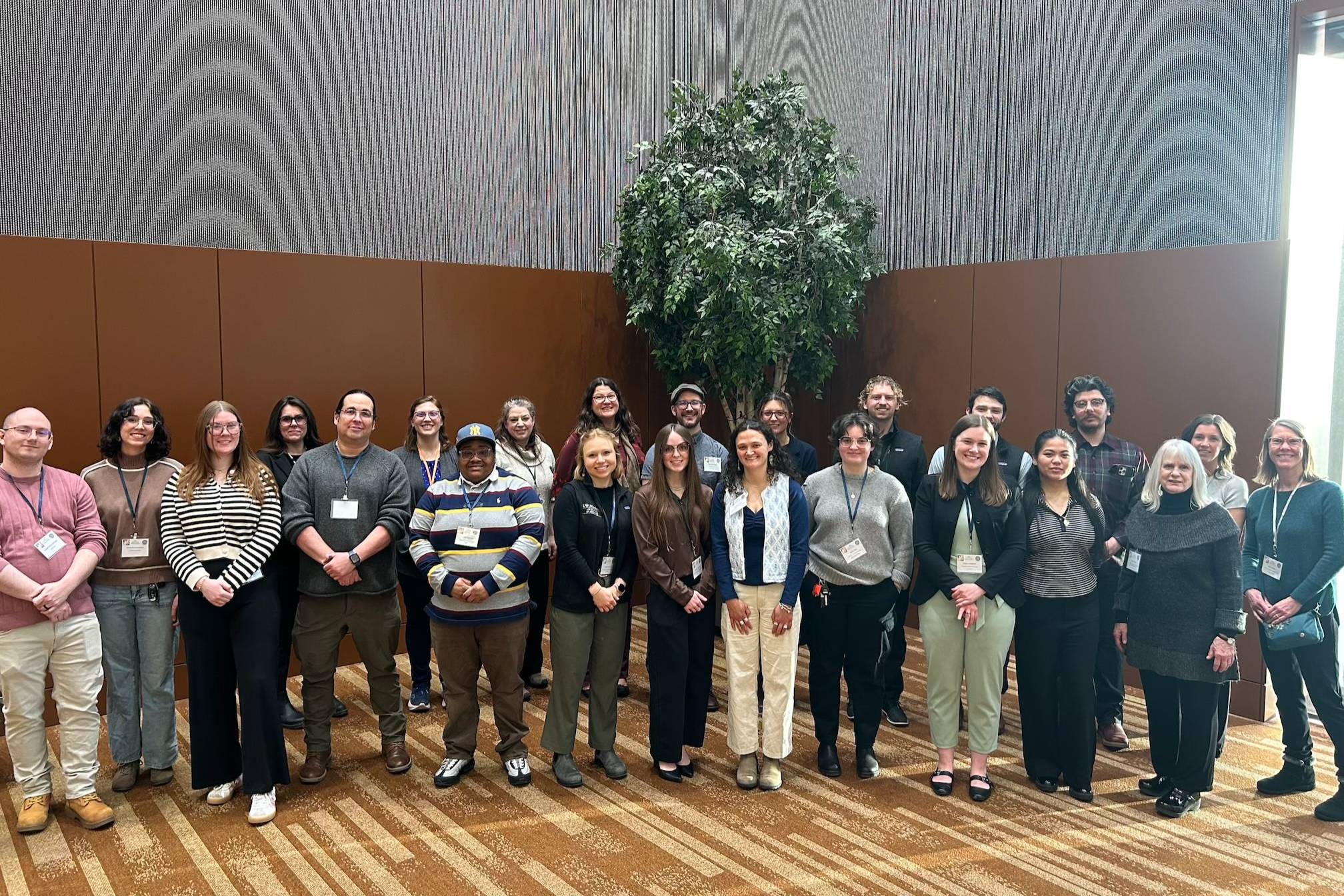
In January 2026, students from the College of Health showcased their public health research at the Alaska Public Health Association Summit’s annual poster session. Their projects spanned topics ranging from food security to environmental contamination, contributing valuable insights that help shape the evolving conversation around Alaska’s public health landscape.
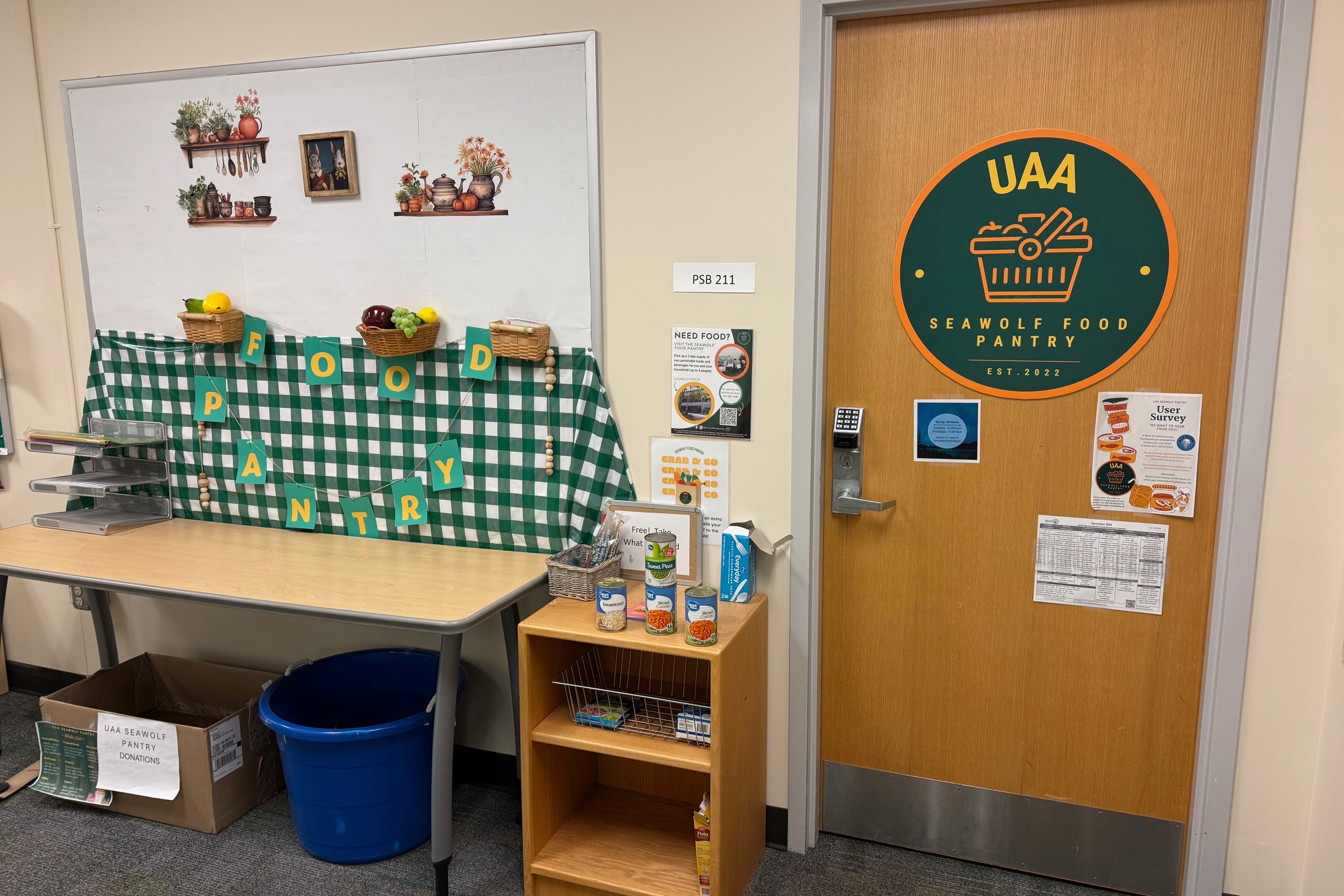
Almost half of UAA students have experienced food insecurity. UAA offers several resources to combat hunger and food insecurity, including the Seawolf Food Pantry, which supplies non-perishable foods, as well as three-day emergency food support.