The Hunger and Homelessness Support Network (HHSN)
Hunger & Homelessness Support Network
The Hunger and Homelessness Support Network (HHSN) is an interdisciplinary, cross-campus
initiative based in the College of Health that works to develop sustainable solutions
for UAA students facing food and housing insecurity. Our research team conducted multiple
campus-wide surveys to identify economic barriers that impact students' well-being and education.
Results of our initial (published) survey found:
8.3% of UAA students have experienced homelessness at some point while being a student.
44% of UAA students experienced food insecurity during the school year.
30% of UAA students experience housing insecurity and couldn’t afford to stay in their
current place of residence, even if they wanted to.
A follow up (unpublished) survey was conducted in November 2018 and found:
10.4% of UAA students have experienced homelessness
37% of UAA students don’t know if they can pay rent next month
Financial insecurity negatively impacts education and delays program completion for
46% UAA students
UAA employees, students and community programs provide services to help students get
what they need so they can focus on their education.
Division of Population Health Sciences Associate Professor Dr. Britteny Howell recently published two new studies that investigates the relationship between aging and mental health. Her research seeks to explore gaps in existing literature about how the experience of aging is shape by factors like social context, culture, activities, beliefs, environment, and more.
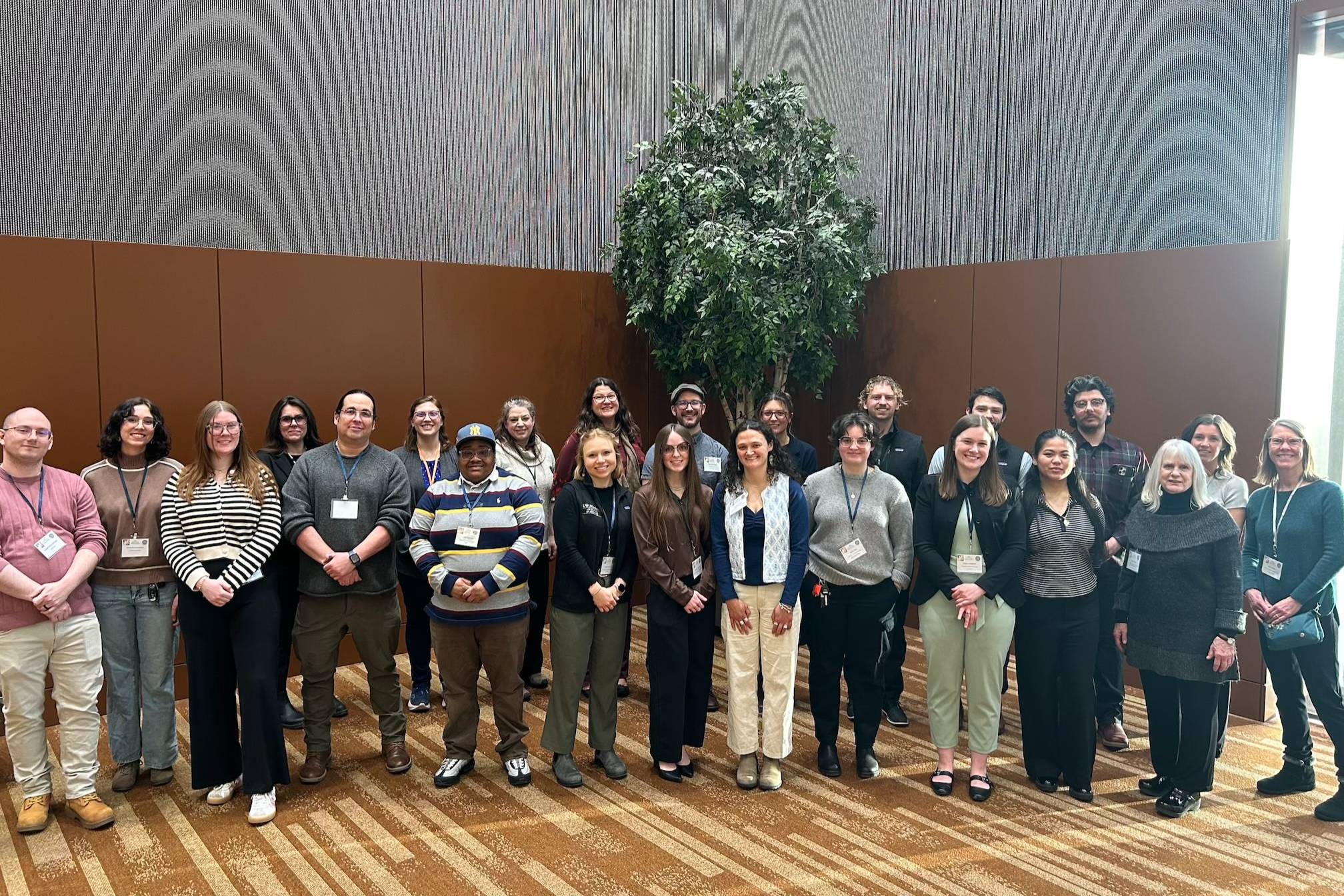
In January 2026, students from the College of Health showcased their public health research at the Alaska Public Health Association Summit’s annual poster session. Their projects spanned topics ranging from food security to environmental contamination, contributing valuable insights that help shape the evolving conversation around Alaska’s public health landscape.
Dr. Corrie Whitmore, an associate professor in the Division of Population Health Sciences, and her team at UAA’s Center for Behavioral Health Research and Services are celebrating the recent publication of a new article. The paper, which was published in the Dec. 2025 issue of Nursing for Women’s Health, offers a framework and actionable strategies for nurses to improve communication and patient experience in discussions around substance use and contraception.
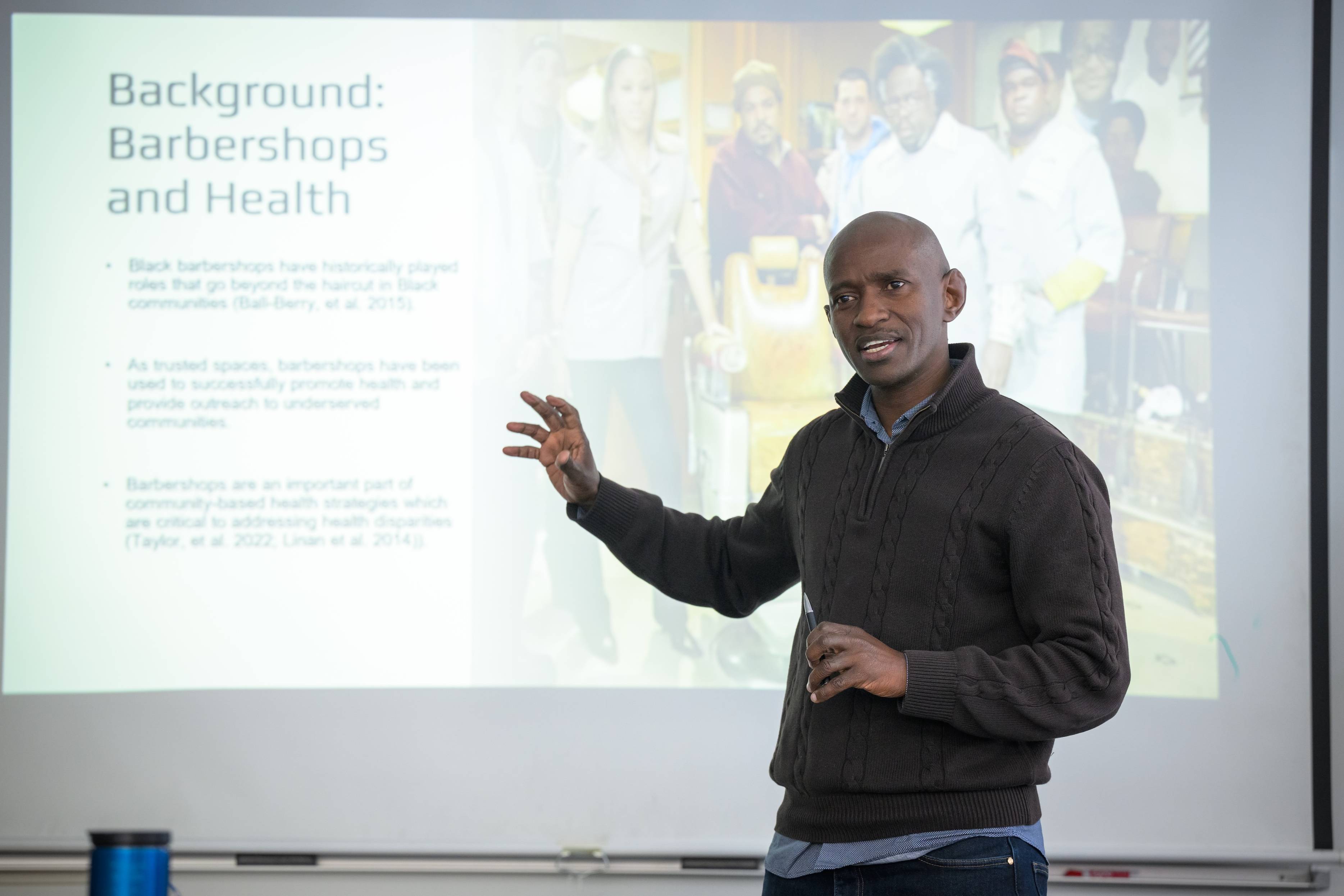
School of Social Work Assistant Professor Amana Mbise and ISER Research Assistant Professor Nathan West are exploring the relationships that Black barbershops play in men's health. Their community-based research prioritizes the lived experiences of the men they talk to, and is revealing how barbershops function not just as grooming spaces, but as social and cultural hubs.
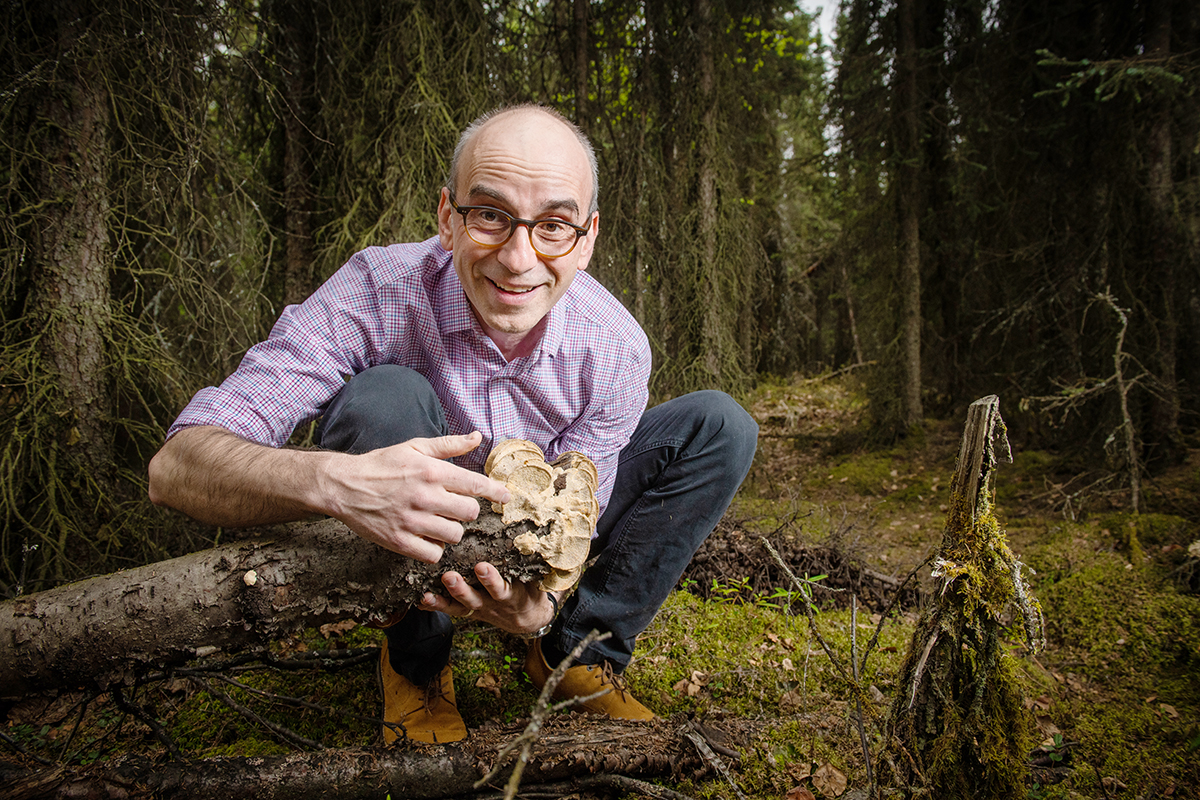
Philippe Amstislavski, a scientist with a passion for sustainable innovation, is pioneering the use of mycelium insulation to help Alaska’s remote communities combat extreme cold and climate change.