The Hunger and Homelessness Support Network (HHSN)
Hunger & Homelessness Support Network
The Hunger and Homelessness Support Network (HHSN) is an interdisciplinary, cross-campus
initiative based in the College of Health that works to develop sustainable solutions
for UAA students facing food and housing insecurity. Our research team conducted multiple
campus-wide surveys to identify economic barriers that impact students' well-being and education.
Results of our initial (published) survey found:
8.3% of UAA students have experienced homelessness at some point while being a student.
44% of UAA students experienced food insecurity during the school year.
30% of UAA students experience housing insecurity and couldn’t afford to stay in their
current place of residence, even if they wanted to.
A follow up (unpublished) survey was conducted in November 2018 and found:
10.4% of UAA students have experienced homelessness
37% of UAA students don’t know if they can pay rent next month
Financial insecurity negatively impacts education and delays program completion for
46% UAA students
UAA employees, students and community programs provide services to help students get
what they need so they can focus on their education.
WWAMI, a University of Washington medical school program that serves five western states, including Alaska, recently received a $25 million endowment for scholarships to increase the number of physicians in rural and Indigenous communities.
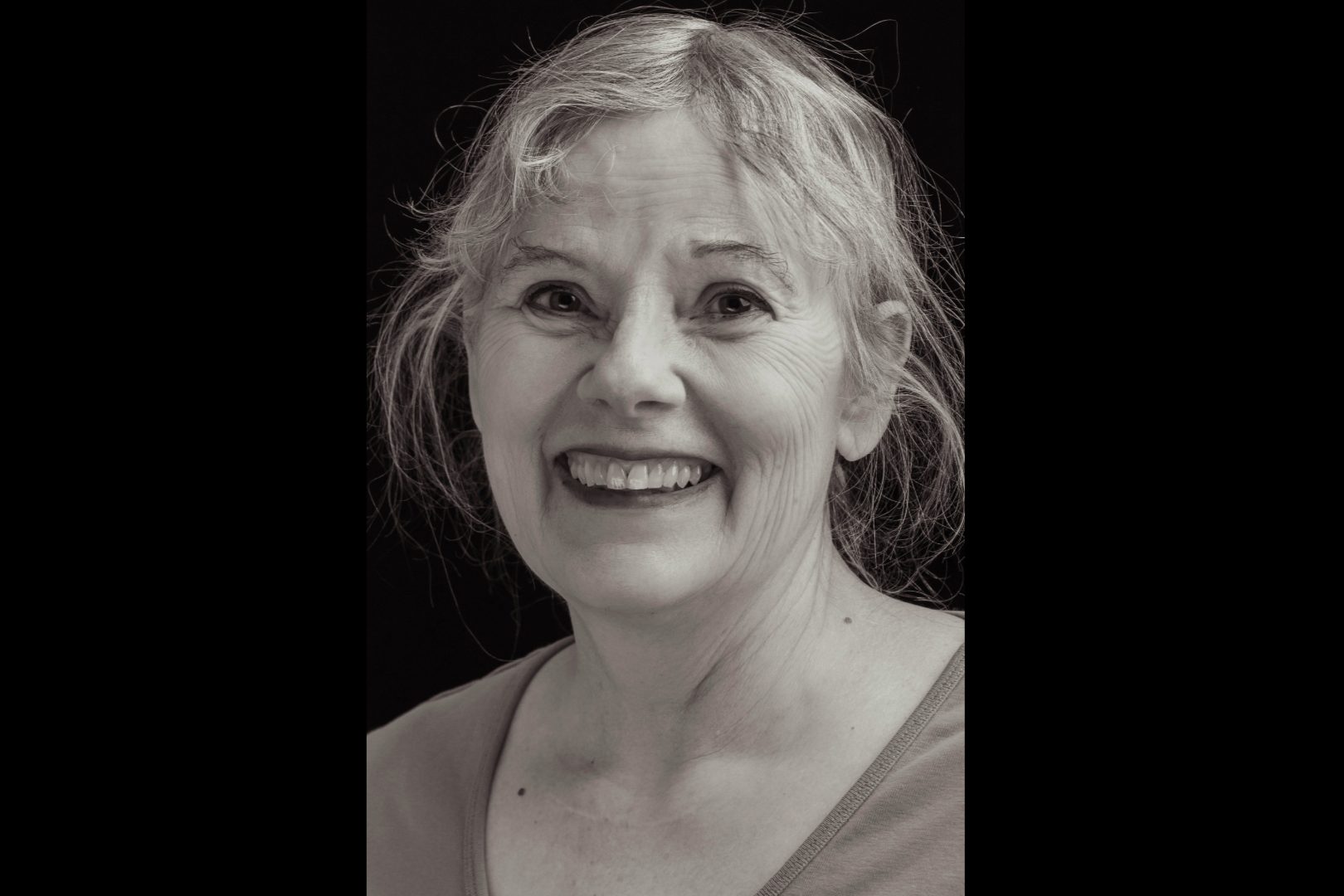
Dr. Jean Snyder’s career in family medicine has spanned decades, continents, and nearly every corner of patient care. Now, after years of serving communities across Alaska and beyond, she has been recognized as the Alaska Family Physician of the Year by the Alaska Academy of Family Physicians.
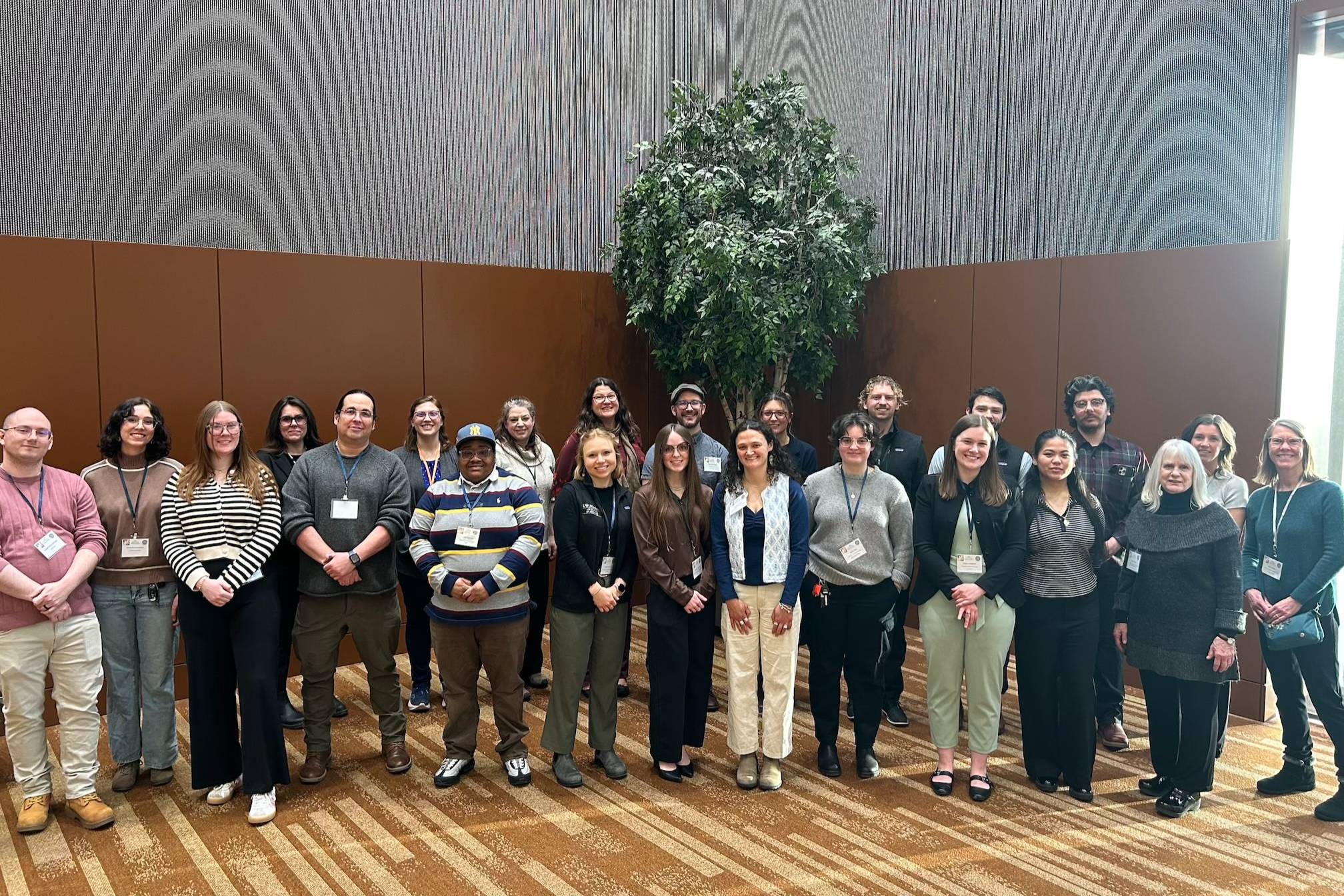
In January 2026, students from the College of Health showcased their public health research at the Alaska Public Health Association Summit’s annual poster session. Their projects spanned topics ranging from food security to environmental contamination, contributing valuable insights that help shape the evolving conversation around Alaska’s public health landscape.
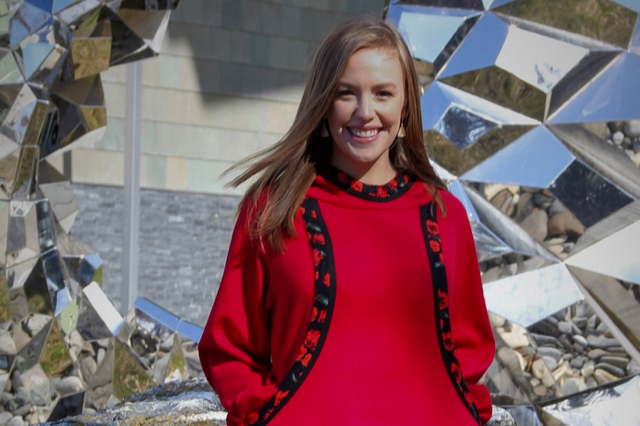
Laura Aspelund is a second-year medical student in the Alaska WWAMI program. As a medical student mentor in the Alaska Native into Oncology (ANION) program, she helps guide Alaska Native high school and college students exploring careers in medicine.
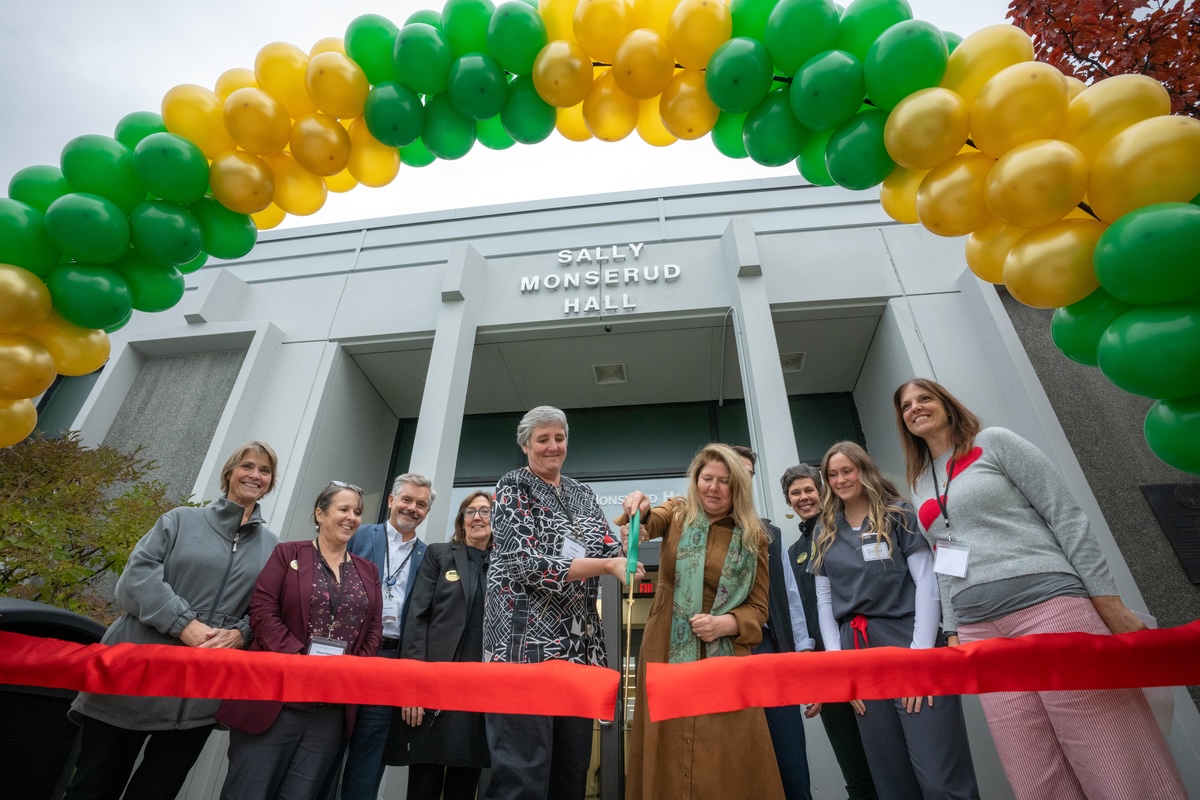
The UAA College of Health proudly celebrated the recent renovation of Sally Monserud Hall with a ribbon-cutting ceremony showcasing the new high-tech labs and simulation center, expanded allied health programs, growth of the WWAMI program and critical partnerships addressing Alaska’s growing health care needs.