




UAA Geological Sciences professor selected as Fulbright Scholar
by Keenan James Britt |
Over the summer, Eric Klein, Ph.D., professor in UAA’s Department of Geological Sciences, was selected as a 2026-27 Fulbright U.S. Scholar for Estonia. The Fulbright Scholar Program awards prestigious fellowships for scholars to “teach, conduct research and carry out professional projects” abroad.
Klein intends to use the Fulbright opportunity to delve into unanswered questions relating to climate change, a major issue facing Estonia, Alaska and the world at large. As global temperatures have increased over recent decades, many northern regions now experience increased precipitation, including rain in winter that would have been unusual in earlier decades.
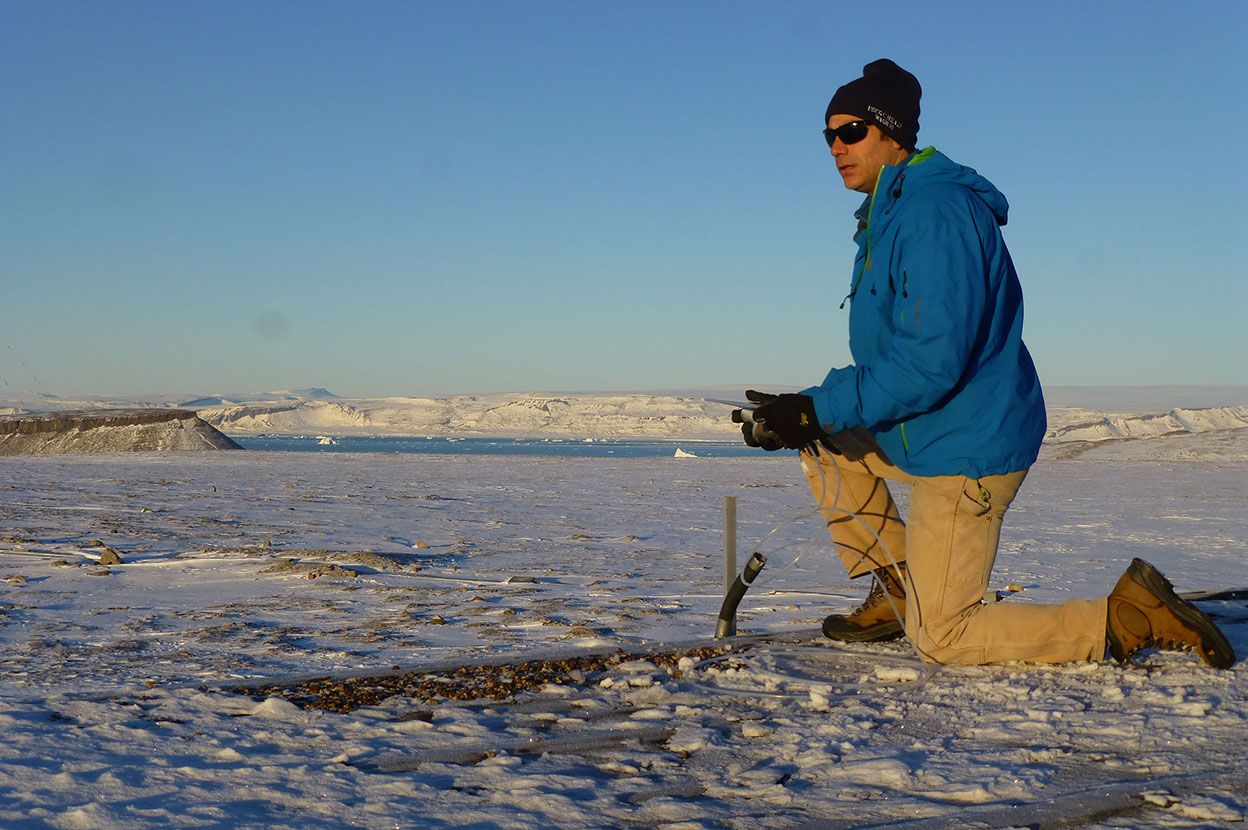
Klein has worked in high-northern areas like Alaska, Greenland and Estonia. He hopes to better understand the water cycle in these regions, especially as warming air temperatures result in melting sea ice, melting glaciers and thawing permafrost.
“In Alaska a lot of our precipitation comes from the North Pacific or the Gulf of Alaska, but as sea ice retreats, we're actually getting more precipitation that's sourced from the Arctic Ocean,” said Klein. “So, other high northern latitudes, like Estonia, are likely changing as well. You can get places like the Barents Sea and other areas up in the Arctic Ocean that could be providing more moisture sources, more water for precipitation in Estonia, particularly in the winter time period.”
Klein is also interested in studying how retreating sea ice in the Baltic Sea may be resulting in “sea-effect snow,” analogous to the “lake-effect snow” experienced by folks in the Great Lakes region. Klein noted that this can occur in Estonia “in the winter when colder Arctic air can pass over an increasingly ice free and warmer Baltic Sea, which increases evaporation,” leading to more precipitation.
Different water sources have unique isotopic signatures. “Whether precipitation comes from the north or the south, like the Arctic Ocean or the Atlantic or Pacific, it will have a different water isotope signature. I will collect precipitation samples from Estonia, analyze them for their water isotope signatures, and then also use some modeling and remote sensing methods to help understand where these different precipitation events came from,” explained Klein. These ideas can also help explain climate and hydrological patterns observed in modern rivers and coastal areas, as well as sediment cores that provide a historical perspective.
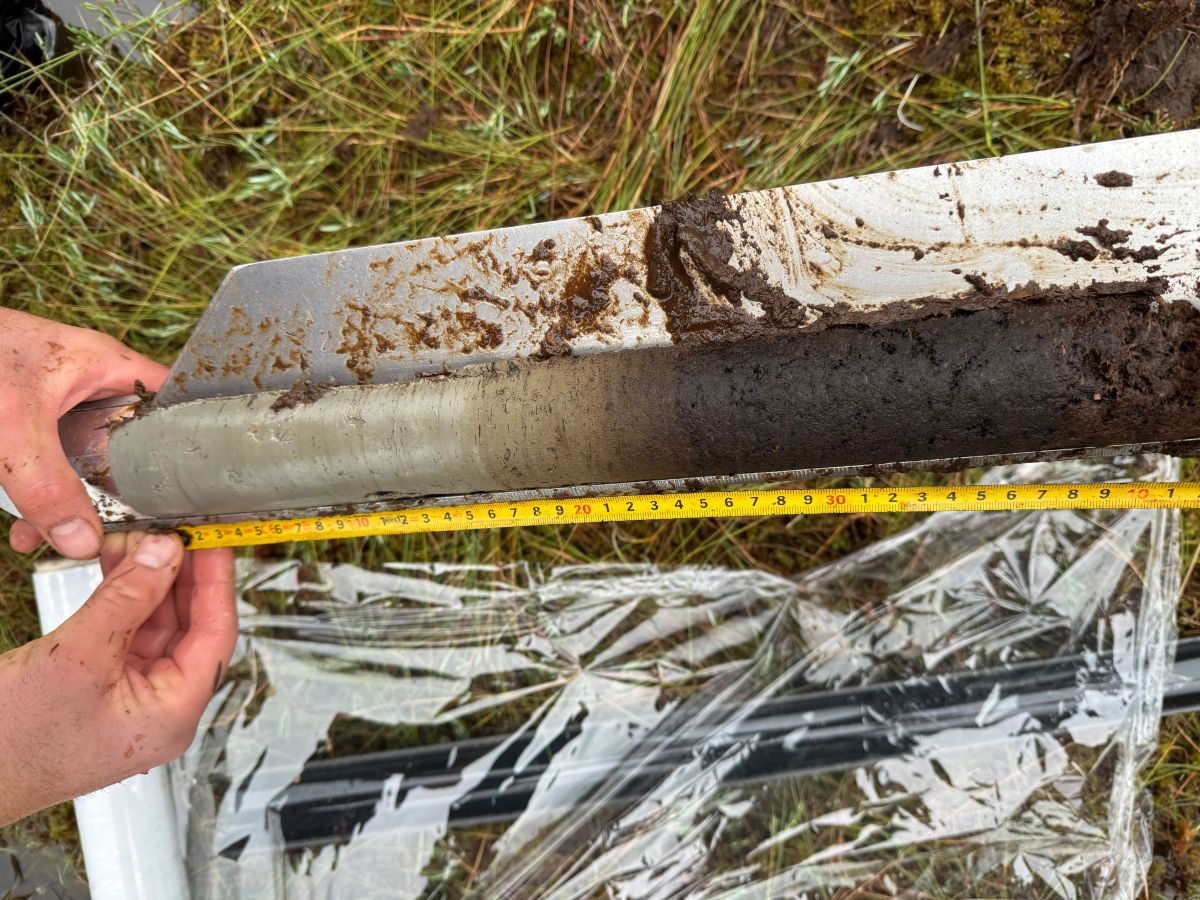
Klein plans to collect core samples in Estonia and identify where the water signals preserved in the cores originated from and what the conditions were like (e.g., presence of an ice sheet or sea ice). The sediment and water preserved in core samples can cover a period of many thousands of years, providing Klein with data on how the climate has changed over time.
Implications for Alaska and the Arctic
Studying the effects of climate change in Estonia isn’t just relevant for Estonia and Europe, but provides valuable data for understanding how changing climate will impact northern communities around the globe, including Alaska.
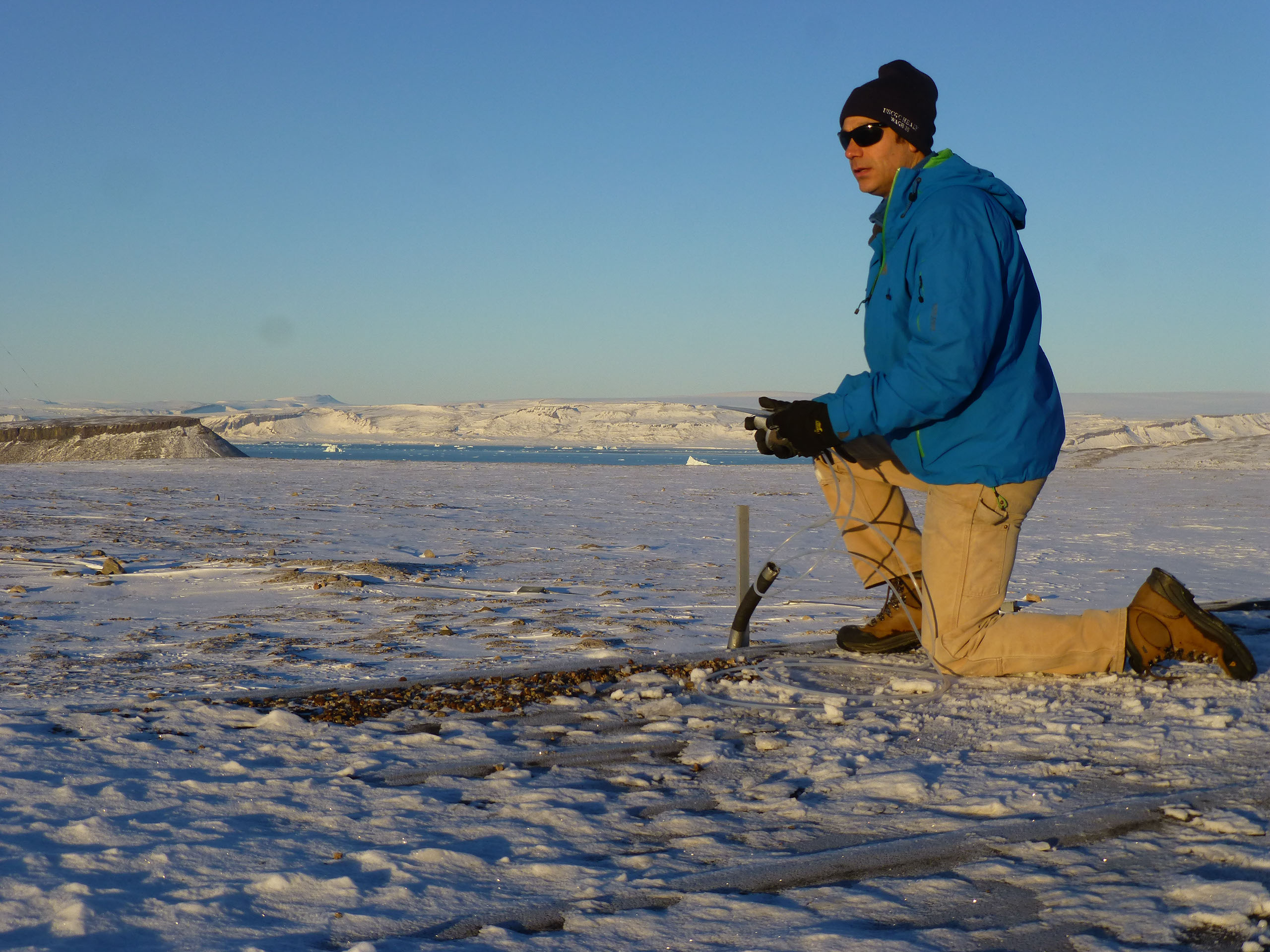
Klein recently returned from fieldwork in Qaanaaq, a small town in northern Greenland and one of the northernmost communities in the world. “There’s a lot of hunters there, and talking to them about it, without a doubt over the last two or three decades, the way that they hunt has changed,” said Klein. “They take their dogs out on the sea ice to hunt for animals — polar bears, and whales as well. The way they hunt is absolutely shifting, partly because the sea ice is not as predictable as it was before.”
“You have similar stories with folks in Alaska as well, as a lot of Alaska communities depend on rivers freezing up for transportation. [Now the rivers are] either not freezing up, or that they're thawing out in a different time period than they used to, so you hear stories about people’s snow machines dropping through the ice,” explained Klein.
“Even on the land, things can become very difficult, because as permafrost thaws, you can get these big depressions and softer ground. Anybody who's tried to walk through northern Alaska in the summer can tell you it's a lot harder than trying to ski or snow machine through it in the winter. So changes in precipitation and snow cover are absolutely impacting transportation, which influences hunting and subsistence as well.”
 "UAA Geological Sciences professor selected as Fulbright Scholar " is licensed under a Creative Commons Attribution-NonCommercial 4.0 International License.