



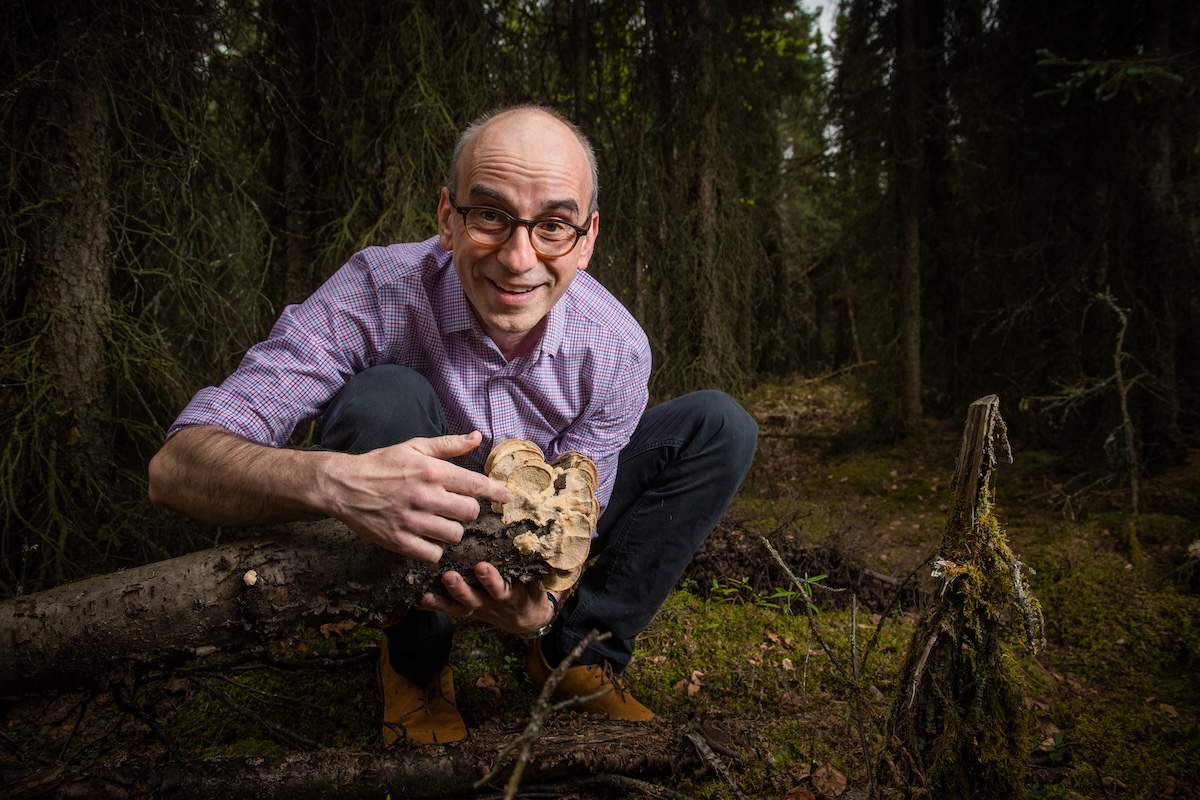
From fungi to foam
A team led by University of Alaska Anchorage researcher Philippe Amstislavski is exploring how mycelium, the root structure of fungi, can be grown into biodegradable materials that hold similar properties to Styrofoam.
A team led by University of Alaska Anchorage researcher Philippe Amstislavski is exploring how mycelium, the root structure of fungi, can be grown into biodegradable materials that hold similar properties to Styrofoam.
Micah Hahn, M.P.H., Ph.D., associate professor of environmental health in UAA’s Institute for Circumpolar Health Studies, is the principal investigator and a co-author on a scientific paper published last month in the journal Environmental Research: Health.
Division of Population Health Sciences Associate Professor Dr. Britteny Howell recently published two new studies that investigates the relationship between aging and mental health. Her research seeks to explore gaps in existing literature about how the experience of aging is shape by factors like social context, culture, activities, beliefs, environment, and more.
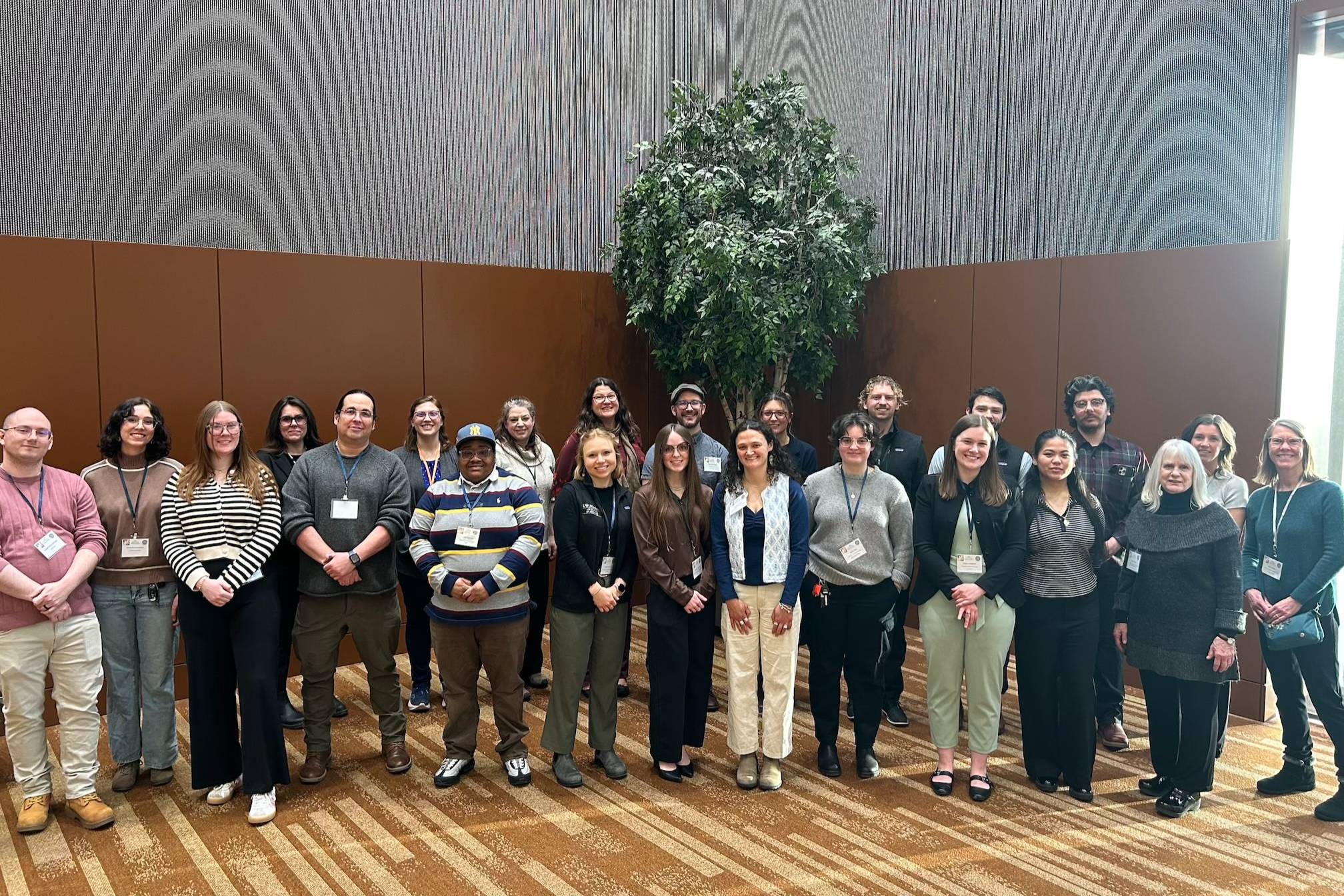
In January 2026, students from the College of Health showcased their public health research at the Alaska Public Health Association Summit’s annual poster session. Their projects spanned topics ranging from food security to environmental contamination, contributing valuable insights that help shape the evolving conversation around Alaska’s public health landscape.
Dr. Corrie Whitmore, an associate professor in the Division of Population Health Sciences, and her team at UAA’s Center for Behavioral Health Research and Services are celebrating the recent publication of a new article. The paper, which was published in the Dec. 2025 issue of Nursing for Women’s Health, offers a framework and actionable strategies for nurses to improve communication and patient experience in discussions around substance use and contraception.