The WWAMI School of Medical Education is a collaboration among six universities in
five northwestern states — Washington, Wyoming, Alaska, Montana, and Idaho — and the
University of Washington (UW) School of Medicine.
The University of Alaska Anchorage (UAA) offers the Doctor of Medicine program and
a Post-Baccalaureate Certificate in Pre-Medical Studies. WWAMI enables Alaskan medical
students to begin their medical education in-state, completing the first two years
at UAA before participating in required clinical rotations throughout the five-state
WWAMI region during their third and fourth years.
After their second year, students can complete their clinical training in Alaska or
at regional sites. The WWAMI Medical Program focuses on preparing physicians for primary
care practice and increasing the number of doctors in rural and underserved areas.
The program emphasizes excellence in research and teaching, with faculty committed
to medical education and community health.
WWAMI is a medical school program, not a premedical program. Enrolled students are
dual-enrolled at UAA and UW, completing an 18-month foundational phase that includes
integrated basic and clinical sciences, with early exposure to rural healthcare.
ACADEMIC PROGRAMS
This certificate is designed to help students who already have a baccalaureate degree
prepare themselves for medical school and complete their pre-requisite coursework.
With a focus on primary and rural health care, the Alaska WWAMI provides flexibility
as you pursue your career goals with advanced patient care training, electives and
other experiences that help you transition into residency training.
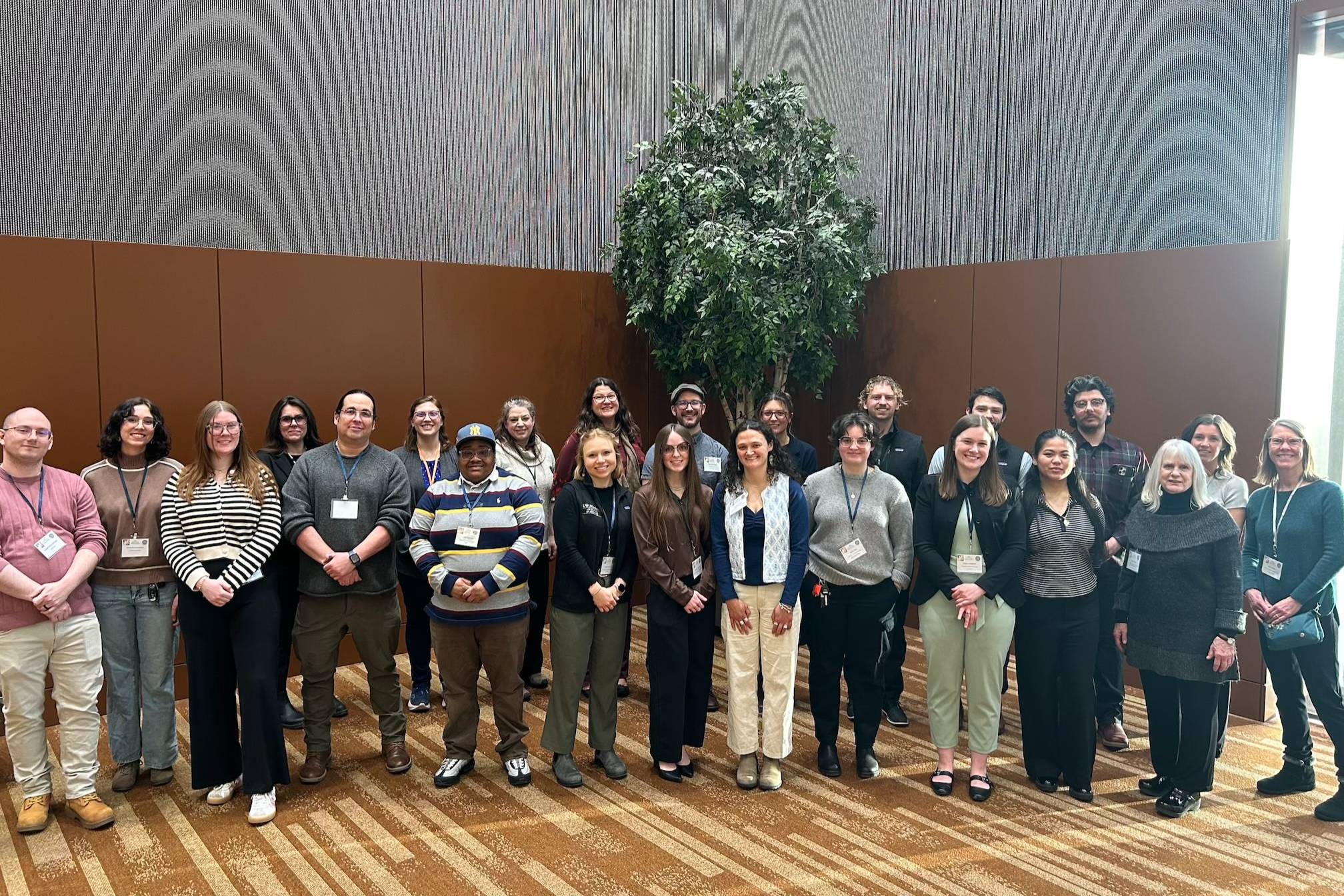
In January 2026, students from the College of Health showcased their public health research at the Alaska Public Health Association Summit’s annual poster session. Their projects spanned topics ranging from food security to environmental contamination, contributing valuable insights that help shape the evolving conversation around Alaska’s public health landscape.
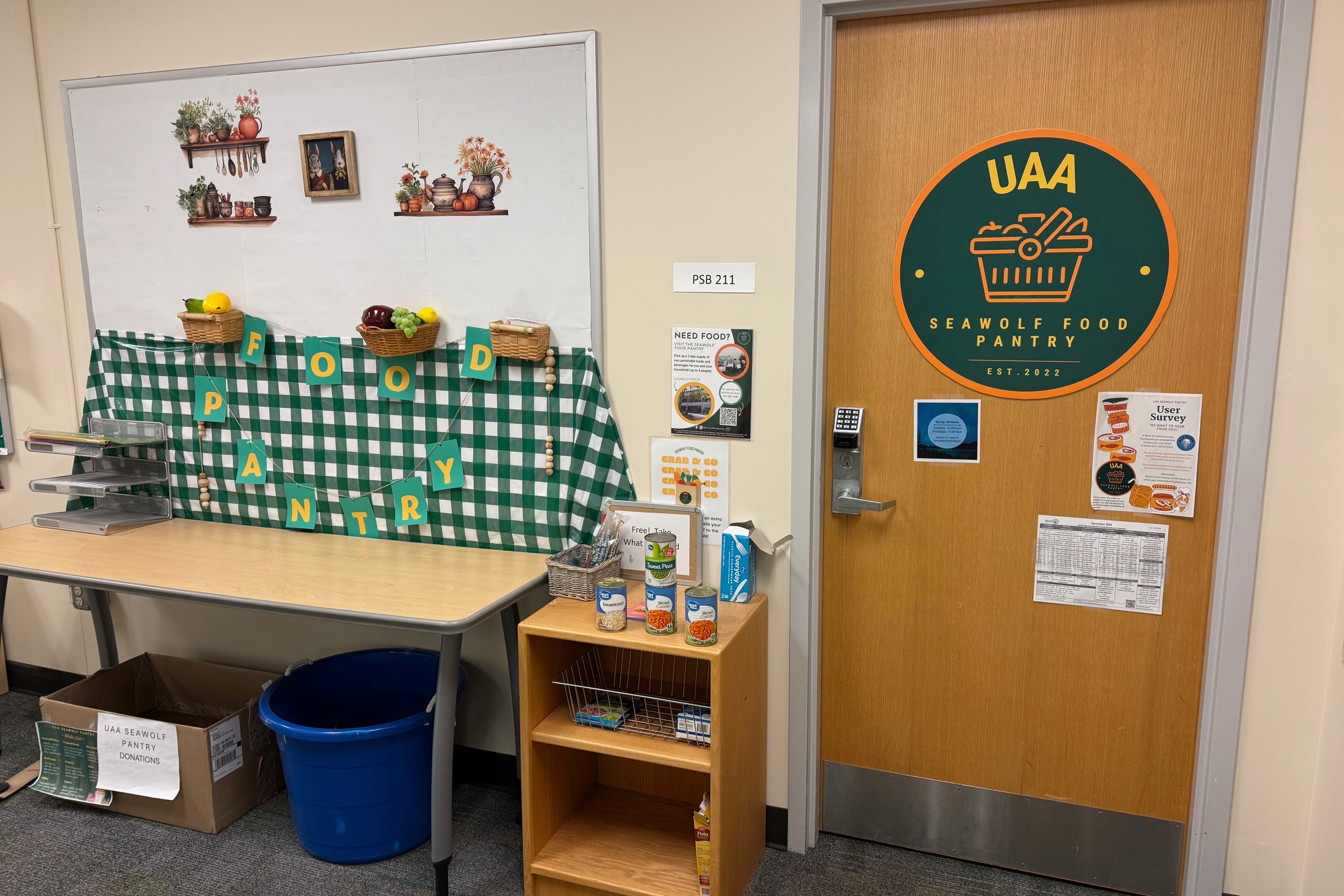
Almost half of UAA students have experienced food insecurity. UAA offers several resources to combat hunger and food insecurity, including the Seawolf Food Pantry, which supplies non-perishable foods, as well as three-day emergency food support.
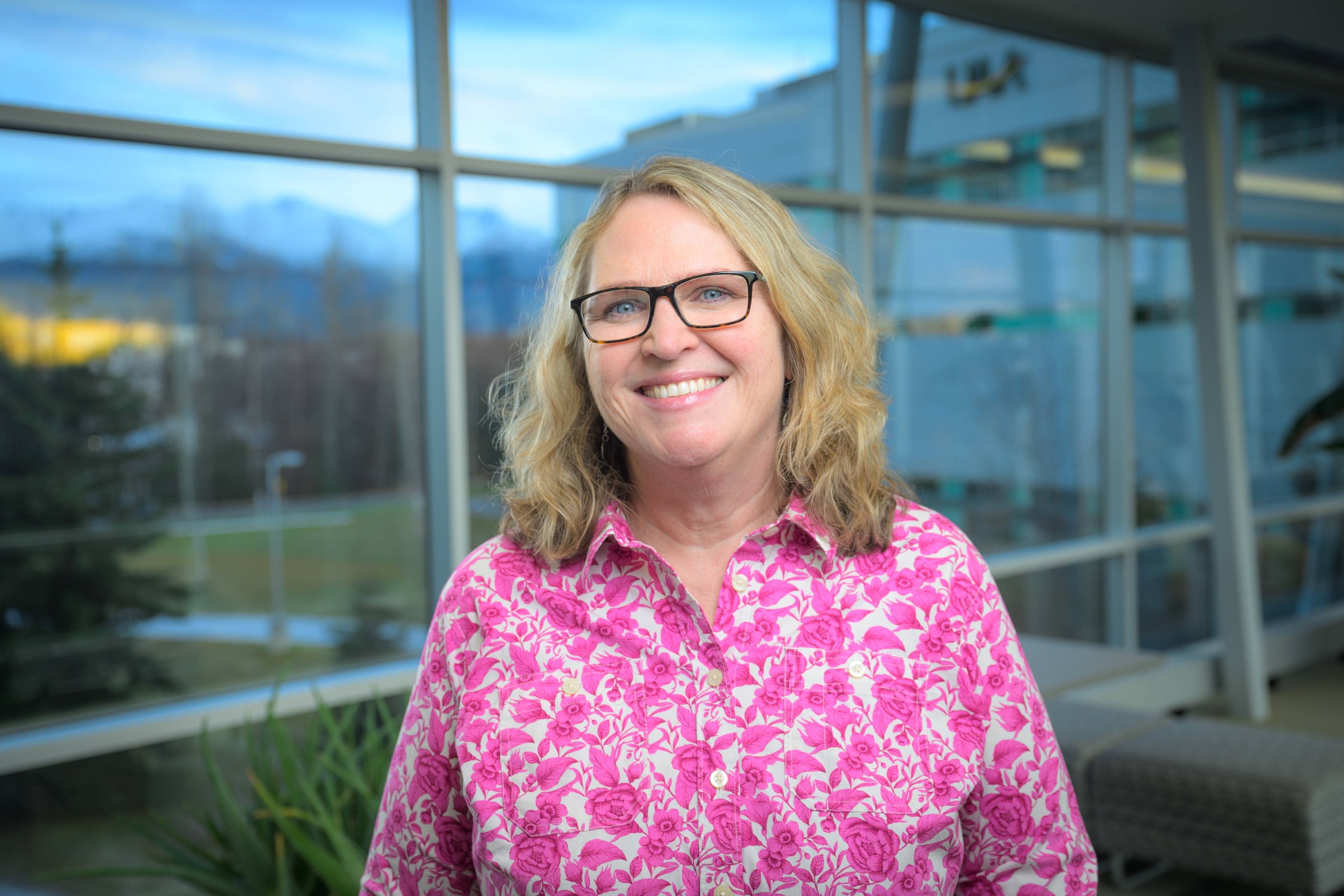
Dr. Corrie Whitmore, an associate professor in the Division of Population Health Sciences, and her team at UAA’s Center for Behavioral Health Research and Services are celebrating the recent publication of a new article. The paper, which was published in the Dec. 2025 issue of Nursing for Women’s Health, offers a framework and actionable strategies for nurses to improve communication and patient experience in discussions around substance use and contraception.
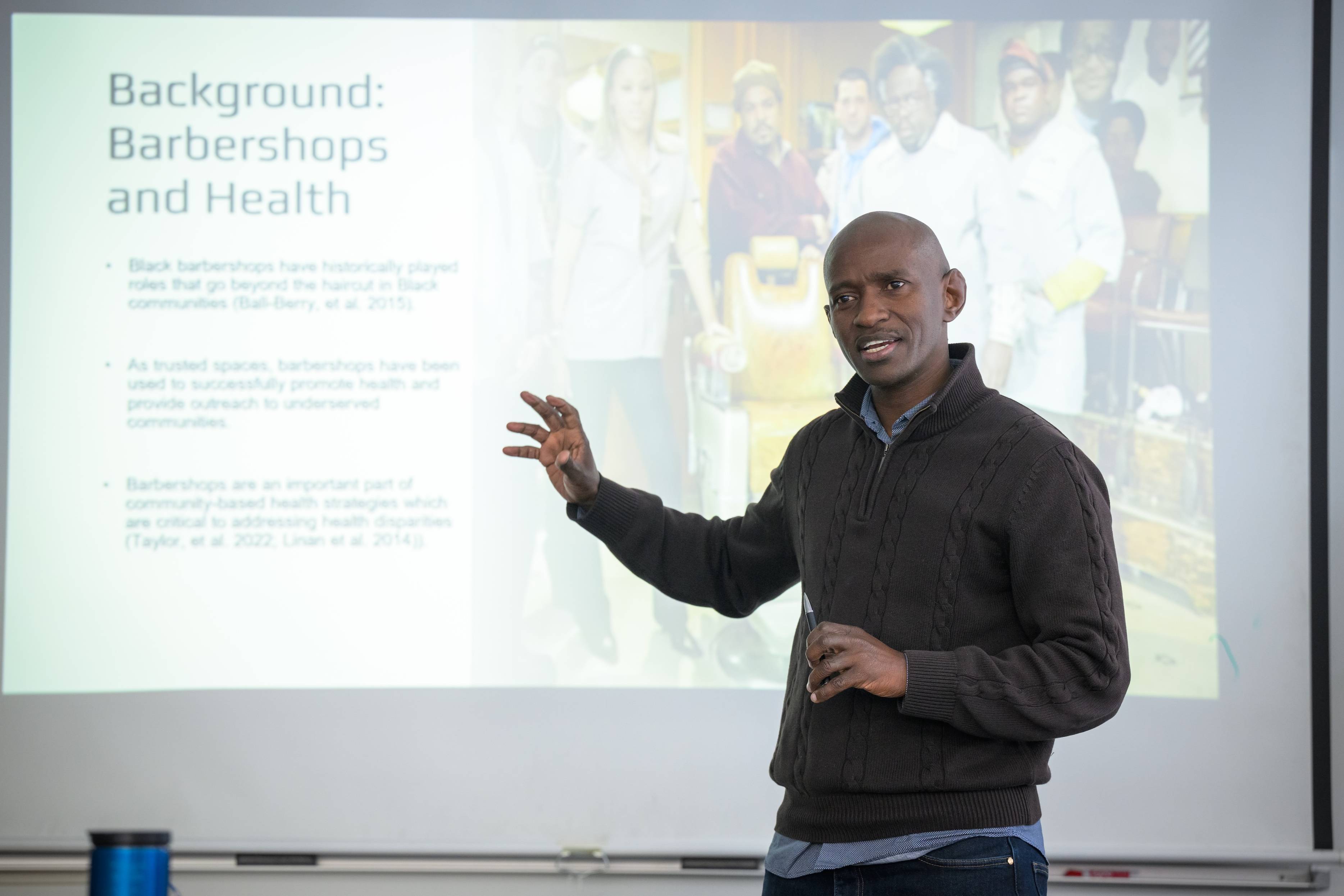
School of Social Work Assistant Professor Amana Mbise and ISER Research Assistant Professor Nathan West are exploring the relationships that Black barbershops play in men's health. Their community-based research prioritizes the lived experiences of the men they talk to, and is revealing how barbershops function not just as grooming spaces, but as social and cultural hubs.
As a neonatal nurse practitioner at Providence Alaska Children’s Hospital and adjunct faculty member for the UAA School of Nursing, Doctor of Nursing Practice alumna and graduate student hooding ceremony speaker for the fall Class of 2025 Stacy Brunquist weaves education into everything she does — training new caregivers, guiding parents learning to care for their newborns, and sharing knowledge with professionals from Utqiaġvik to Sitka.
Della Keats is a four (4) week, residential program for high school students on the
UAA Anchorage campus. This program is fully funded, including travel, food, and accommodations.
This free, annual WWAMI event offers a full day of speakers, workshops and information
for anyone interested in pursuing a career in medicine. High school students, undergraduates,
college graduates, parents and school counselors are invited to attend.
The UW School of Medicine's Service Learning program provides students with opportunities
to hone their skills while addressing the health needs of our underserved communities.
WWAMI offers numerous Pathways giving students the opportunity to pursue a particular
interest and develop knowledge and skills specifically tailored to working with specific
communities domestically and abroad.
Alaska Trust is a medical school program focused in rural underserved care, with the
hope that physician graduates will return to practice in the rural underserved communities
of Alaska.