The Division of Population Health Sciences (DPHS) prepares students to confront the
root causes of health challenges in Alaska and across the circumpolar North. Through
a blend of education, research, and community partnership, DPHS empowers students
to create lasting change in population health and to lead efforts that strengthen
the well-being of communities statewide and beyond.
Programs in the Division of Population Health Sciences
Unlike clinical care, which focuses on individuals, population health looks at the
big picture—improving health outcomes across communities through policy, prevention,
and systems-level solutions. It includes:
Public Health: Promoting wellness, preventing disease, and advancing health equity.
Community Health: Strengthening local environments and connecting people to care and
resources.
Join us to make an impact that goes beyond treating illness to help build healthier
communities from the ground up.
ACADEMIC PROGRAMS
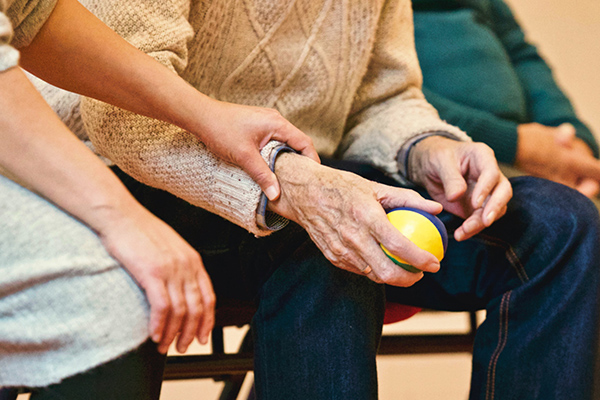
Meet the public health challenges of an aging society, including providing competent
care in medical settings and essential community resources and end-of-life support.
Set up a successful career in health education and health promotion, public and community
health, disease prevention, rehabilitation, or health care delivery.
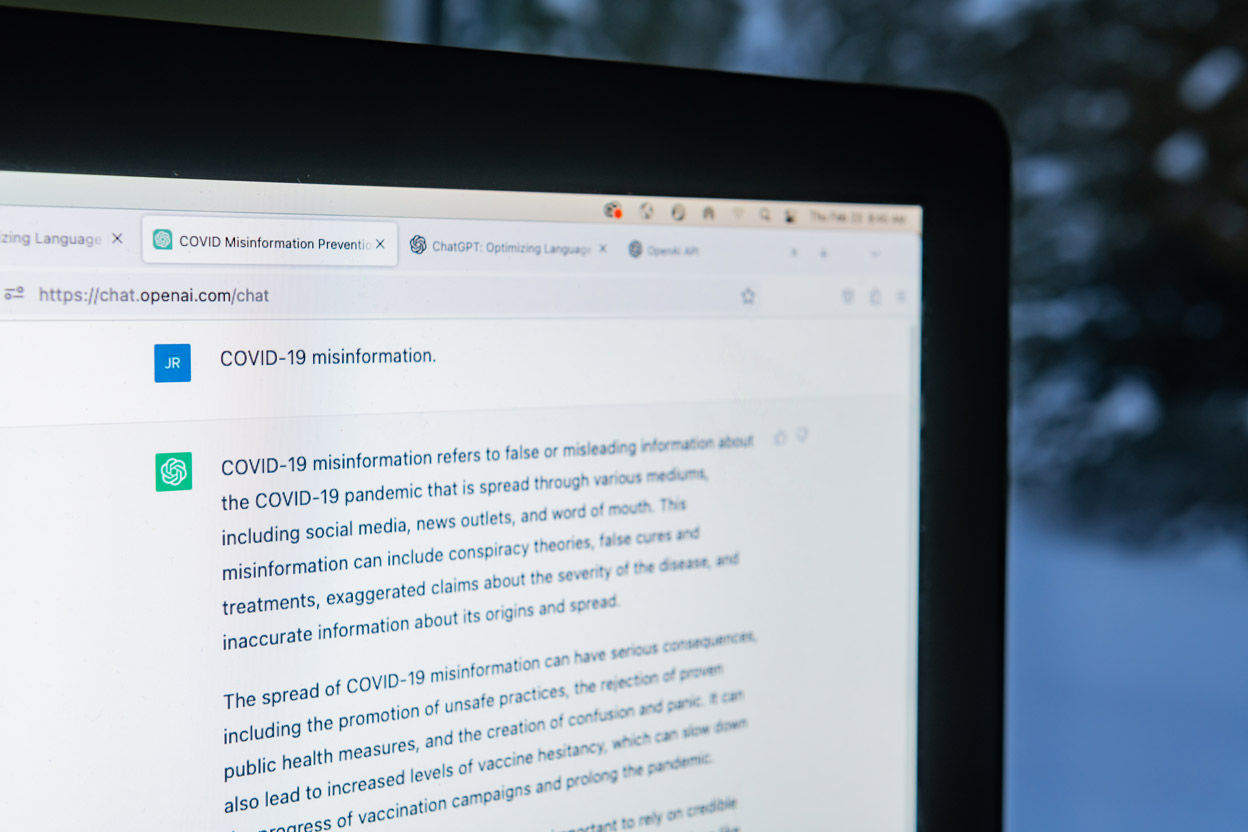
At UAA, computer science Professor Shawn Butler has been using machine learning to debunk COVID-19 misinformation on social media. Butler’s efforts are part of the Division of Population Health Sciences and Department of Journalism and Public Communication’s mission to combat COVID-19 misinformation on public-facing Facebook pages with scientifically accurate information from credited sources through its ongoing Alaska Public Health Information Response Team project.
Founding members of the Alaska Public Health Information Response Team submitted a book chapter proposal, entitled "Addressing Health Misinformation in the Infodemic Era: The Alaska Public Health Information Response Team," in the early spring of 2021 for consideration in a forthcoming book, "Building Health Misinformation Immunity: A Professional's Guide to Helping the Public," which was recently published.
A local group has been fighting inaccurate information on Facebook pages. Called the Alaska Public Health Information Response Team, it enlists UAA strategic communications students to spot the bad information, and local health professionals to intervene with posts on Facebook that introduce accurate information.
As the world continues to navigate this once-in-a-generation pandemic, new scientific breakthroughs are unearthed every day and are widely accessible online. Accompanying this free flow of information, however, is an increase of damaging misinformation, referred to by the World Health Organization as an Infodemic.
As misinformation about the coronavirus pandemic seemingly spills into almost every nook and cranny of the internet, some public health professionals in Alaska are countering false claims and myths in an embattled space: Facebook comment threads.
Researchers in our lab are working to solve the global plastic pollution problem by
developing insulation that is recyclable, reusable, and biodegradable.
Housed under the Office of Research, ICHS partners closely with us while conducting applied research that supports public health
and offers valuable research experience for students.