occupational endorsement certificate in gerontology
As Alaska’s population continues to age, so does the demand for professionals trained
to support the health, dignity, and well-being of older adults. The Occupational Endorsement Certificate (OEC) in Gerontology prepares students to meet the public health challenges of an aging society, including
providing competent care in medical settings and connecting older adults and their
families with essential community resources and end-of-life support.
Whether you're currently working in health care, social services, or a community-based
role, or just beginning your educational journey, this certificate offers an applied
foundation in aging-related care, public health, and advocacy. Students will explore
social and environmental factors affecting aging outcomes, learn to recognize and
address ageism, and develop skills in person-centered and end-of-life care models.
This OEC is ideal for those interested in contributing to Alaska’s senior care workforce
across nonprofit, tribal, and public sectors. It also introduces students to pathways
in gerontology research. Courses in the certificate may be applied as elective credits
toward the Bachelor of Science in Health Sciences or other approved programs.
Alaska’s population is aging faster than most states, while the working-age population
continues to decline. This demographic shift is driving strong and growing demand
for professionals trained to support older adults across healthcare and social service
settings.
Learn from highly-skilled faculty. Their specialties include public health education,
gerontology, maternal and child wellness, disability studies, adolescent health, and
more.
Participate in service-learning projects while earning course credit. Many of UAA’s
health science classes incorporate activities that facilitate engagement with community
partners.
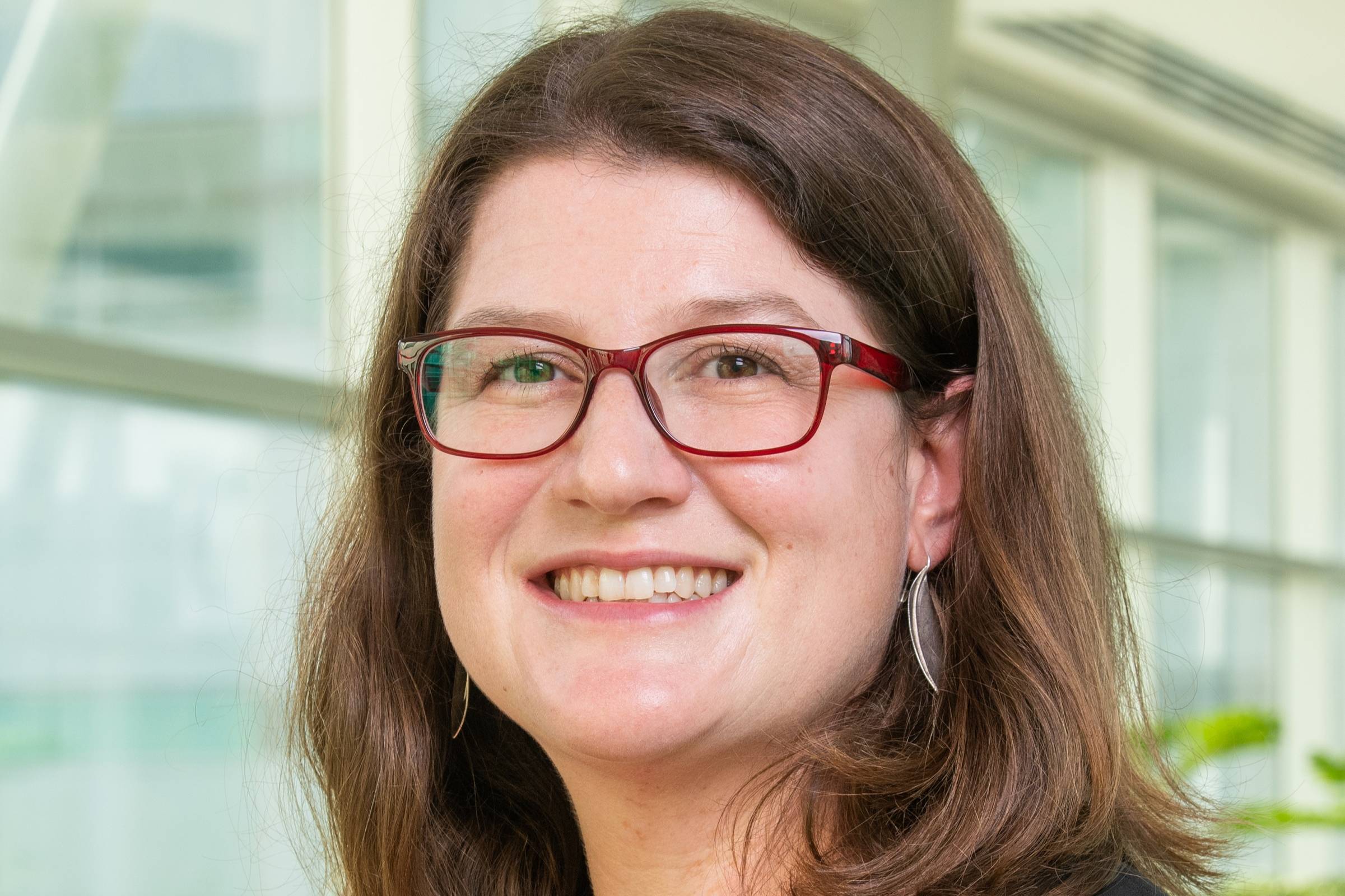
Division of Population Health Sciences Associate Professor Dr. Britteny Howell recently published two new studies that investigates the relationship between aging and mental health. Her research seeks to explore gaps in existing literature about how the experience of aging is shape by factors like social context, culture, activities, beliefs, environment, and more.
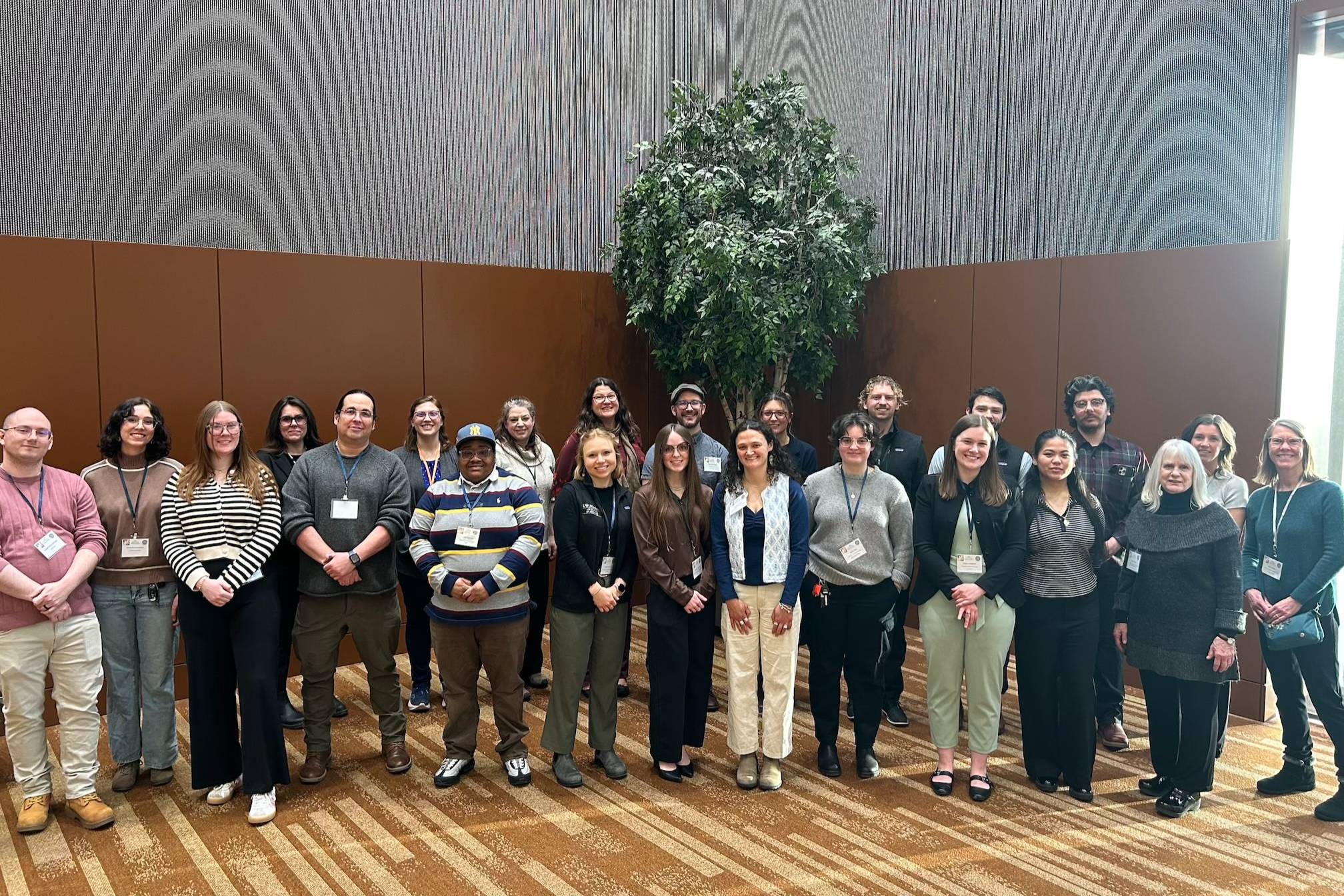
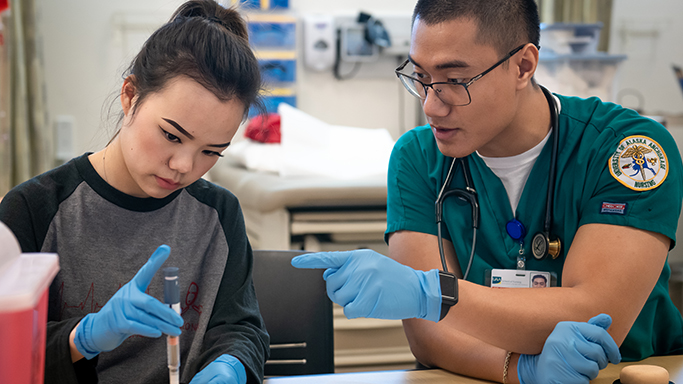
In January 2026, students from the College of Health showcased their public health research at the Alaska Public Health Association Summit’s annual poster session. Their projects spanned topics ranging from food security to environmental contamination, contributing valuable insights that help shape the evolving conversation around Alaska’s public health landscape.
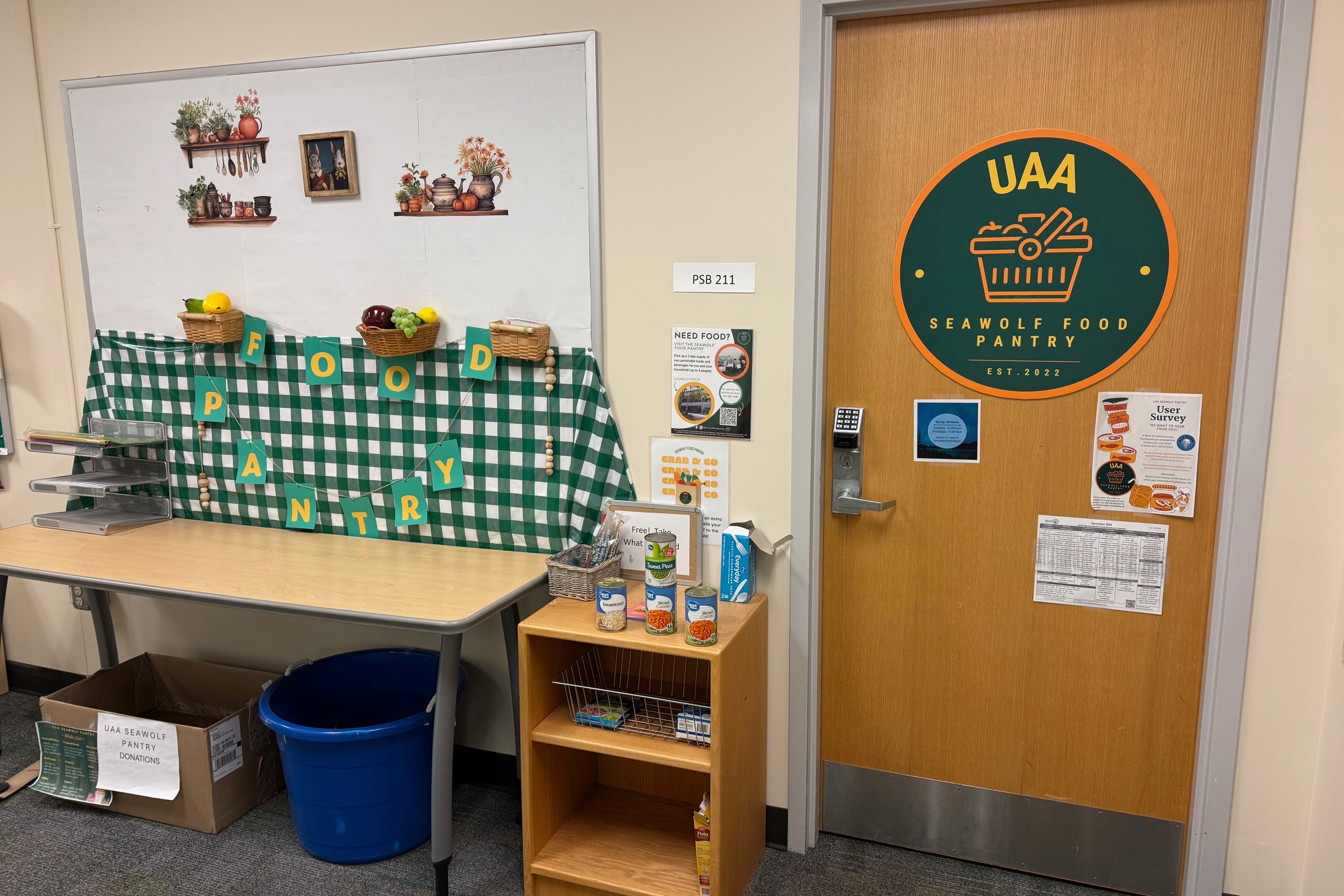
Almost half of UAA students have experienced food insecurity. UAA offers several resources to combat hunger and food insecurity, including the Seawolf Food Pantry, which supplies non-perishable foods, as well as three-day emergency food support.
Dr. Corrie Whitmore, an associate professor in the Division of Population Health Sciences, and her team at UAA’s Center for Behavioral Health Research and Services are celebrating the recent publication of a new article. The paper, which was published in the Dec. 2025 issue of Nursing for Women’s Health, offers a framework and actionable strategies for nurses to improve communication and patient experience in discussions around substance use and contraception.
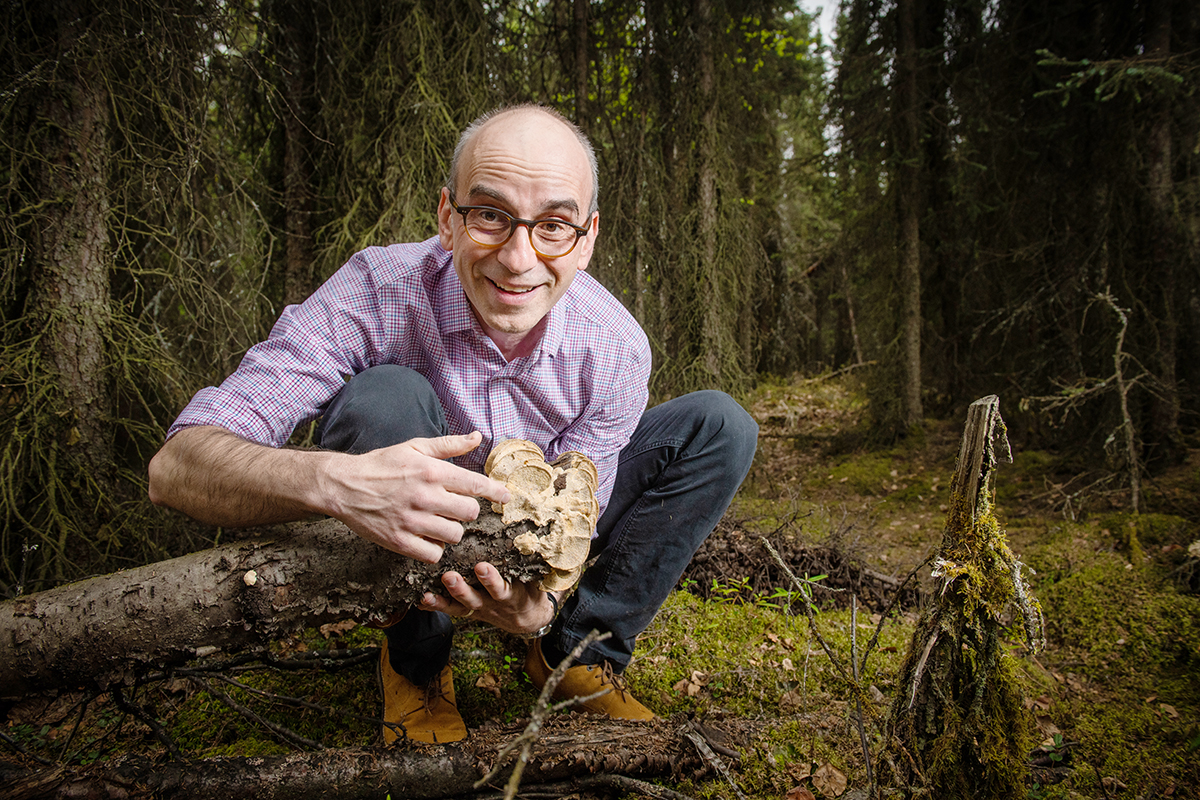
Philippe Amstislavski, a scientist with a passion for sustainable innovation, is pioneering the use of mycelium insulation to help Alaska’s remote communities combat extreme cold and climate change.