






Due to unsafe road conditions for Anchorage and surrounding areas, UAA’s Anchorage campus will be on a delayed start today, Thursday, Dec. 4. Campus will open at 10 a.m. to allow for safer travel.
Alaska legislature staff visit ACFTA awareness event
by Alison Miller |
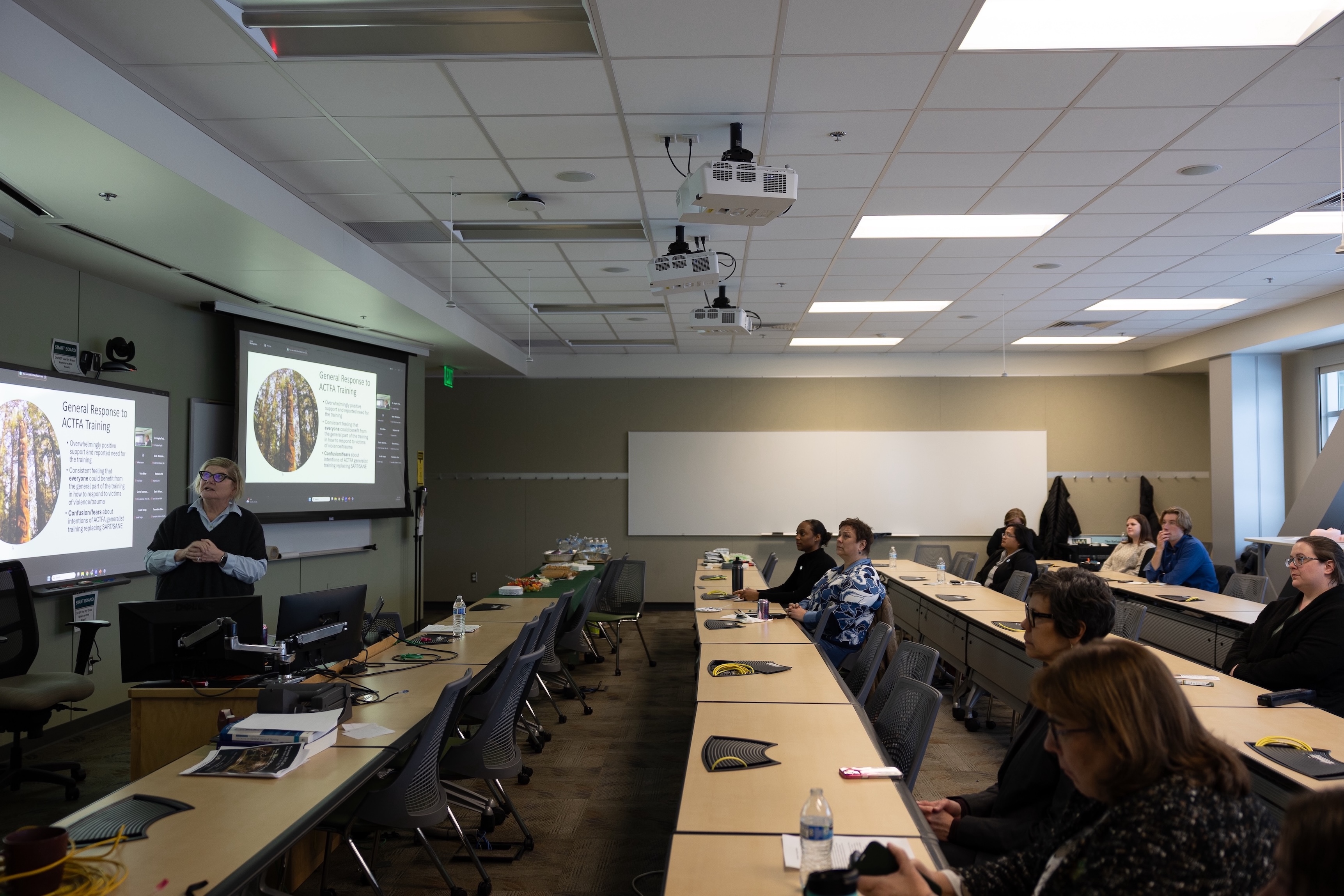
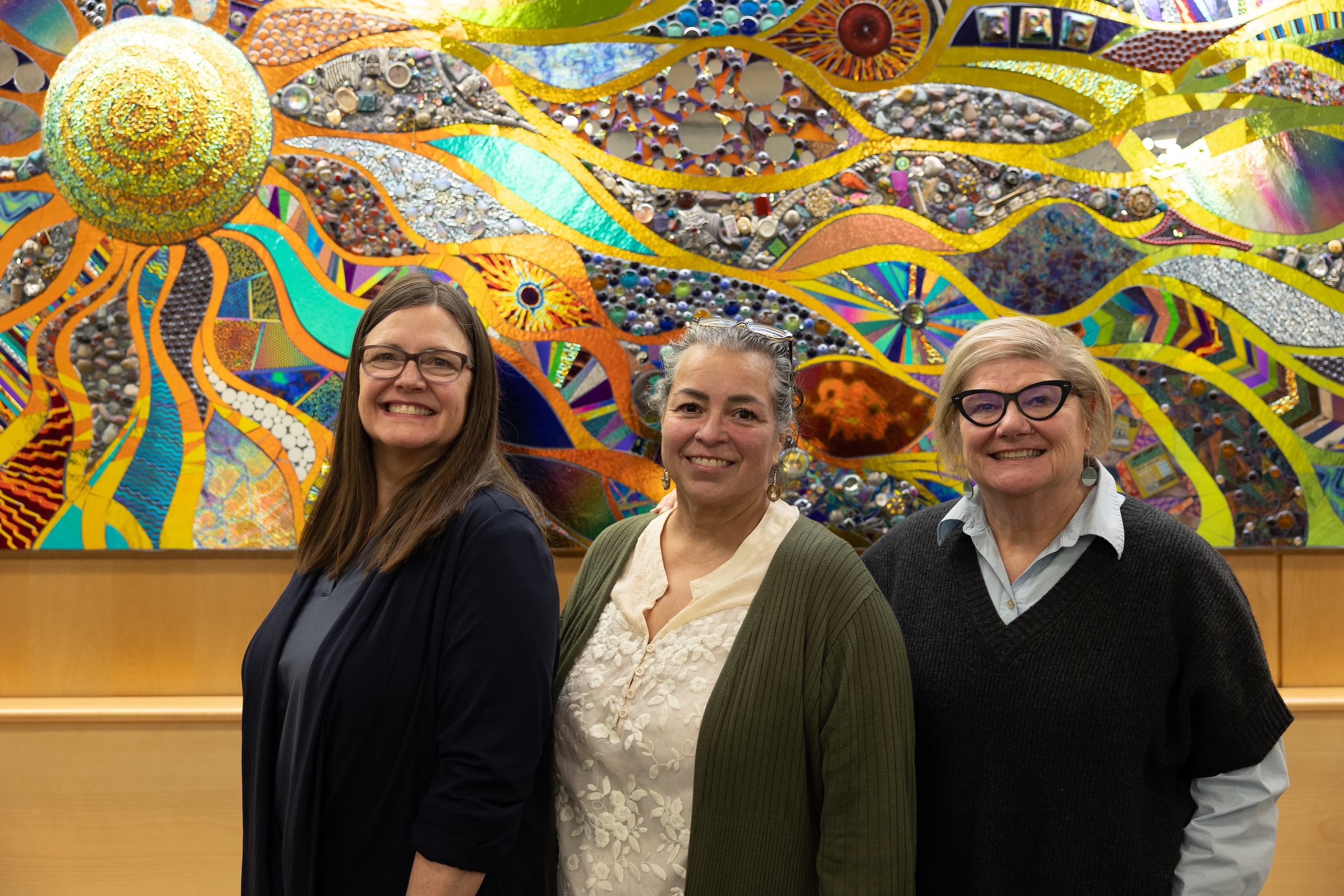
On Nov. 13, UAA College of Health (COH) leadership gathered in the Health Sciences Building alongside health care professionals, community partners and representatives from the Alaska State Legislature to learn more about the Alaska Comprehensive Forensic Training Academy (ACFTA). The event was co-led by School of Nursing Professor Angelia Trujillo, D.N.P., and School of Social Work Professor Kathi Trawver, Ph.D., who has collaborated closely with Trujillo over the last couple of years. Notable attendees included UAA Interim Chancellor Cheryl Siemers, staff from the offices of Reps. Ky Holland and Lacey Matula, and a representative from the office of the Department of Family and Social Services Commissioner Kim Kovol.
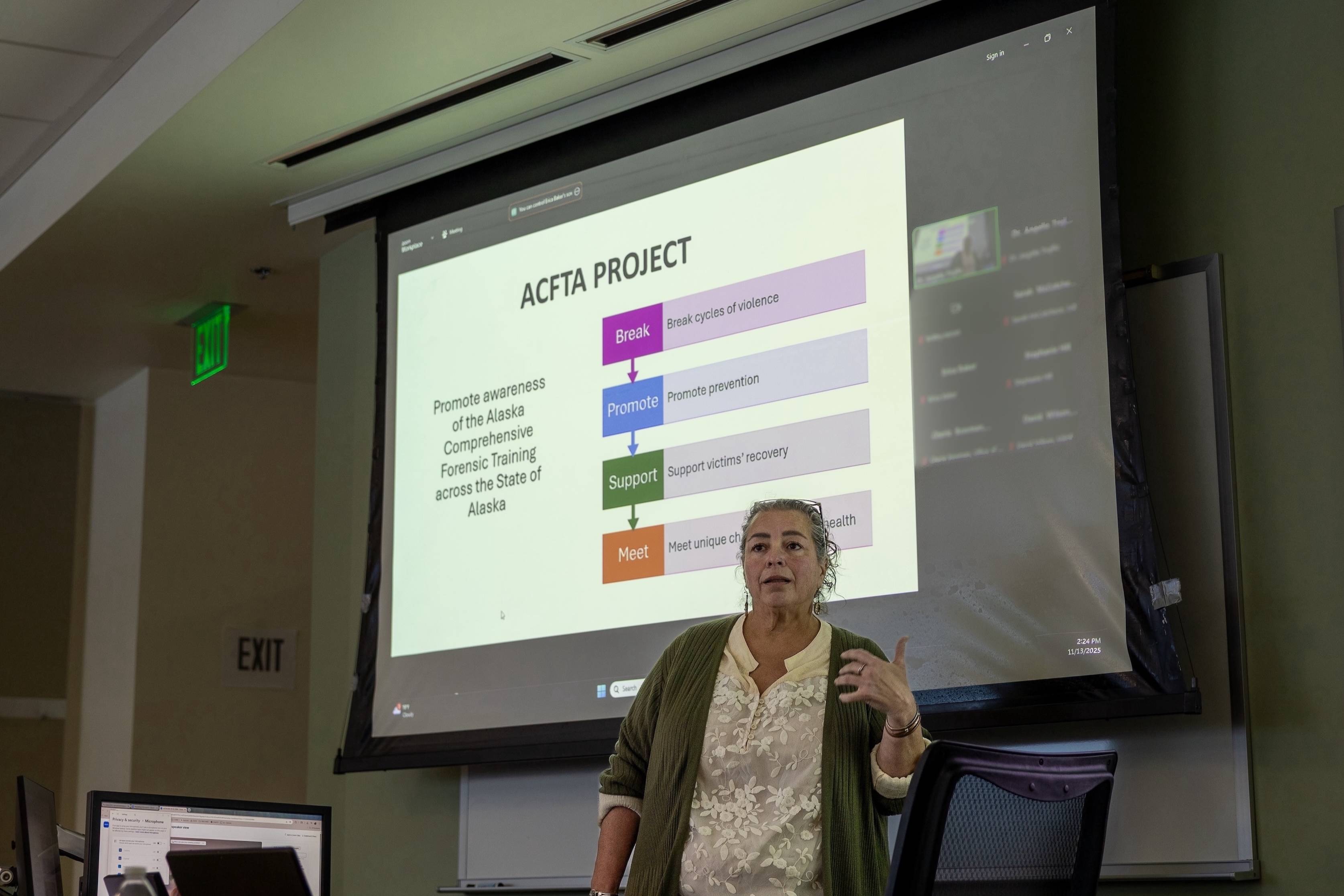
ACFTA’s mission is to equip health care providers with the knowledge and tools needed to respond effectively to abuse, from proper documentation and forensic evidence collection to trauma-informed patient care. “We want to break cycles of violence, we want to promote prevention in our communities, and importantly, support victims’ recovery as well as meet challenges in rural health,” Trujillo said in her opening remarks. She emphasized that ACFTA’s scope extends well beyond sexual violence — trainings also address domestic violence, elder abuse and child abuse.
“The problem is that violence isn’t just the physical act. It’s the long-term impact,” she added. “People can’t go to work, they can’t pay their bills, they can’t pay for child care, they can’t care for their children. So economically, individuals in our community are suffering, but we also have long-term health consequences.” Research shows people injured by violence use health care services about two-and-a-half times more often than those without such a history, which is a substantial challenge for patients and providers alike.
Throughout her years of offering training across Alaska, including in many rural communities, Trujillo has encountered hundreds of providers, from medical assistants to physicians, who feel unprepared when a patient discloses abuse. Many lack training in collecting forensic evidence or documenting injuries in medical records, both of which are vital in legal proceedings. Behind those disclosures are an estimated nine out of 10 patients who never report their abuse at all, often due to fear or shame.
ACFTA aims to close these gaps. Participants receive more than 40 hours of specialized instruction, including hands-on practice with live models and realistic simulations of situations they may face in clinical settings. Trujillo’s long-term vision is to build a statewide network of health care providers trained to support the significant proportion of Alaskans who experience violence and ultimately, to help reduce rates of abuse.
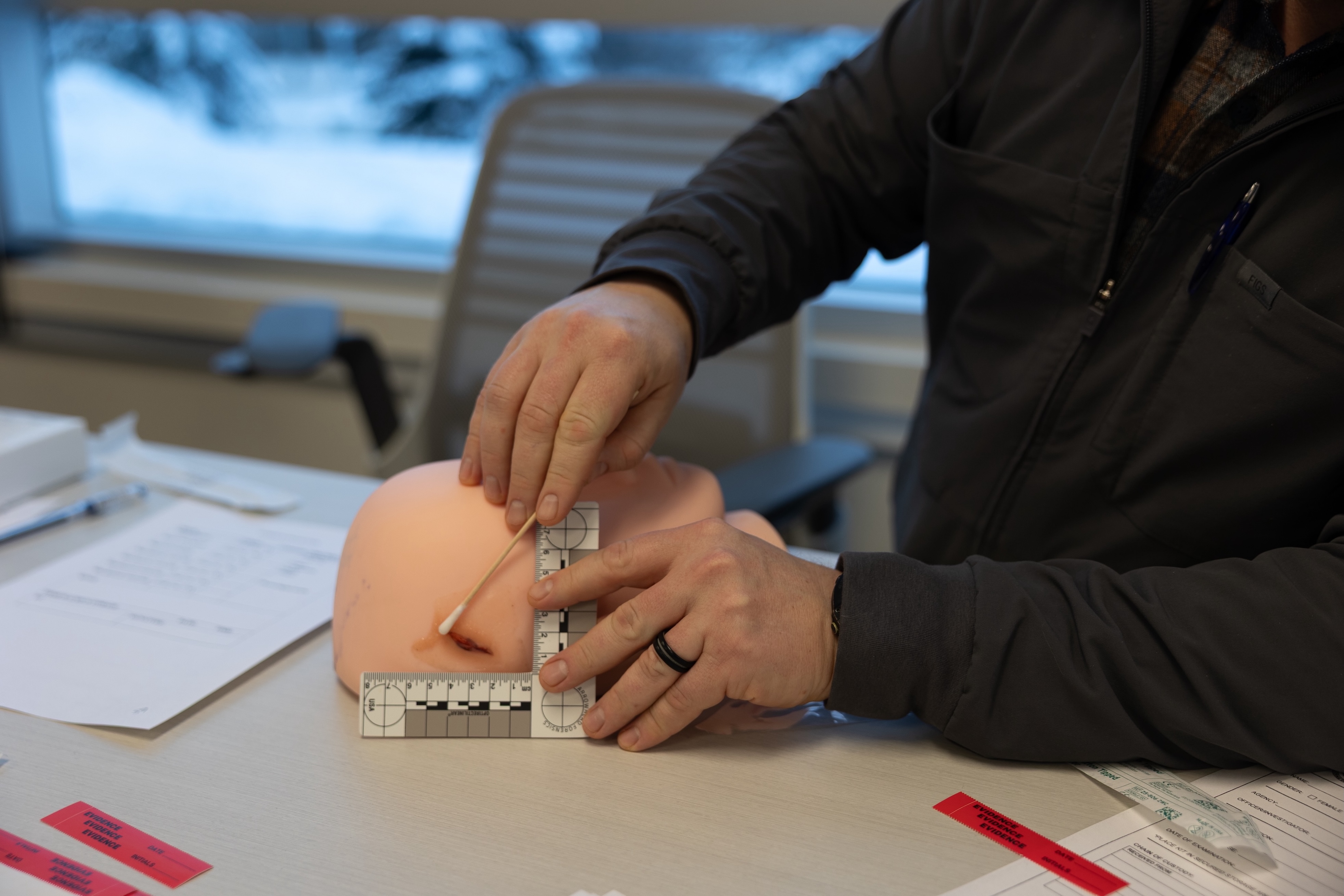
But this kind of work doesn’t happen in isolation. Funding, policy and infrastructure all shape the ability of health care and social work professionals to meet community needs. Research priorities set by state and federal budgets influence which issues get attention, while the availability of community resources often determines how many people benefit from that work. ACFTA, a state-funded collaborative effort between the Alaska Council on Domestic Violence and Sexual Assault, COH and the Alaska Nurses Association, embodies this interconnected landscape.
ACFTA’s work sits at the nexus of health care, policy and social services. “This approach to solving complex problems in our state from an interprofessional lens is so valuable,” said Cary Moore, COH associate dean of clinical health sciences. For this reason, communication across sectors is essential. By bringing policymakers, health care providers and community partners together, Trujillo aimed to build alignment around ACFTA’s future, encourage engagement and highlight the resources required to sustain its work.
That conversation is especially timely. Thanks to funding from the State of Alaska, ACFTA has been able to provide the first half of its training at no cost, while the second half is offered for a modest fee of $75. These affordable rates ensure that the training is accessible to providers whose employers cannot fund professional development. However, uncertainty about funding in the upcoming fiscal year raises the possibility that ACFTA may need to increase fees unless new support is secured. In their closing remarks, Trawver and Trujillo thanked the Alaska State Legislature for its past support and urged attending congressional staff to advocate for policies that bolster ACFTA’s mission.
Her call was echoed by Interim Chancellor Siemers, who addressed the legislative representatives directly. “Your support highlights the power of collaboration in addressing the urgent challenges of violence and trauma in our communities,” she said. “ACFTA exemplifies innovation and compassion in action.”
For more information on how to support ACFTA, visit the ACFTA website or contact Dr. Angelia Trujillo (actrujillo@alaska.edu).

CATEGORIES
TAGS
- Awards
- Behavioral Health
- Climate Change
- Community
- COVID-19
- Faculty Feature
- Food Security
- Forensic Care
- Giving
- Simulation
- Workforce Development
ACADEMIC UNITS
- Department of Human Services
- Division of Population Health Sciences
- Justice Center
- School of Allied Health
- School of Nursing
- School of Preventive & Therapeutic Sciences
- School of Social Work
PARTNER PROGRAMS
CENTERS & INSTITUTES
- Alaska Center for Rural Health and Health Workforce
- Center for Human Development
- Child Welfare Academy
- Interprofessional Health Sciences Simulation Center
- National Resource Center for Alaska Native Elders
MEDIA INQUIRIES / STORY LEADS