


UAA and Premera Bring Nursing Education Home
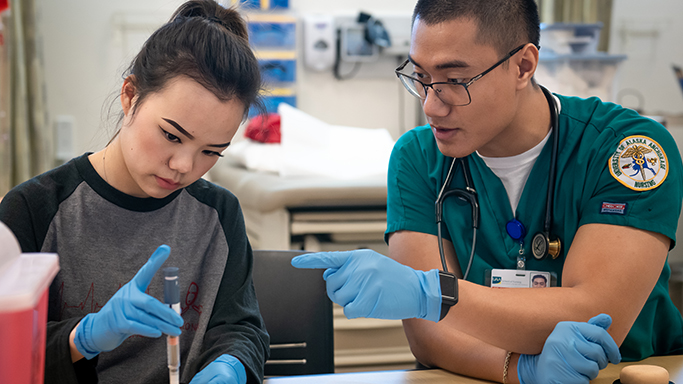
Premera-supported nursing programs at UAA help rural Alaskans earn degrees and return home, strengthening trust and access to healthcare statewide.

Are you looking for a meaningful and rewarding career that allows you to make a real difference in your community? Behavioral health is the connection between behavior and well-being, encompassing a wide range of emotional, psychological and social issues that affect a person's mental and physical health and well-being.
By pursuing a career in behavioral health, you have the opportunity to positively impact the lives of those in your community. Whether you choose to become a therapist, counselor, social worker, psychiatrist or psychologist, you will be providing critical support and guidance to individuals and families who need it most. By helping to address the root causes of mental health disorders and substance abuse, you can also help to build stronger, healthier communities. You can help to break the cycle of addiction and trauma, and promote a brighter future for all, as we build a better Alaska.
Discover the demand for behavioral health professionals in Alaska through this series of videos sponsored by Premera, featuring the inspiring stories of our UAA alumni who are actively contributing to our communities.

UAA would like to thank Premera Blue Cross for their generous support to inspire students to consider careers in behavioral health.
"A very simple explanation of human services is people that want to help people. What I learned in the human services program corresponds directly to what I do now...
I don't think I ever had a kid who didn't have some kind of trauma in their lives. So to work in probation and have an opportunity to help a kid or to help their family process some of that, it really does help the rest of the community."
Vicha Puwasurintra
Probation Officer
UAA Human Services Alumni
"What I do is find the essence of a person. My message and my mantra is, 'never take away a person's hope because it might be all they have.'
UAA prepared me for working in the behavior health field by offering a variety of classes that basically teach you the fundamentals."
Holly Scott
Care Coordinator
UAA Human Services Alumni

The prevalence of domestic violence, economic instability, unemployment, and substance abuse in households across Alaska underscores the critical need for behavioral health services.

Over 100,000 adults in Alaska have a mental health condition, and 28,000 adults have a serious mental illness. Over 40% of incarcerated Alaskans experience a serious mental illness.

Nearly 25% of Alaskans face serious challenges from substance use and there are not enough treatment options to respond to this need.

The demand for behavioral health care professionals is on the rise in Alaska, with an anticipated workforce growth of over 10% over the next 10 years.
Here are just a few of the ever-growing behavioral health jobs available in Alaska and across the country:
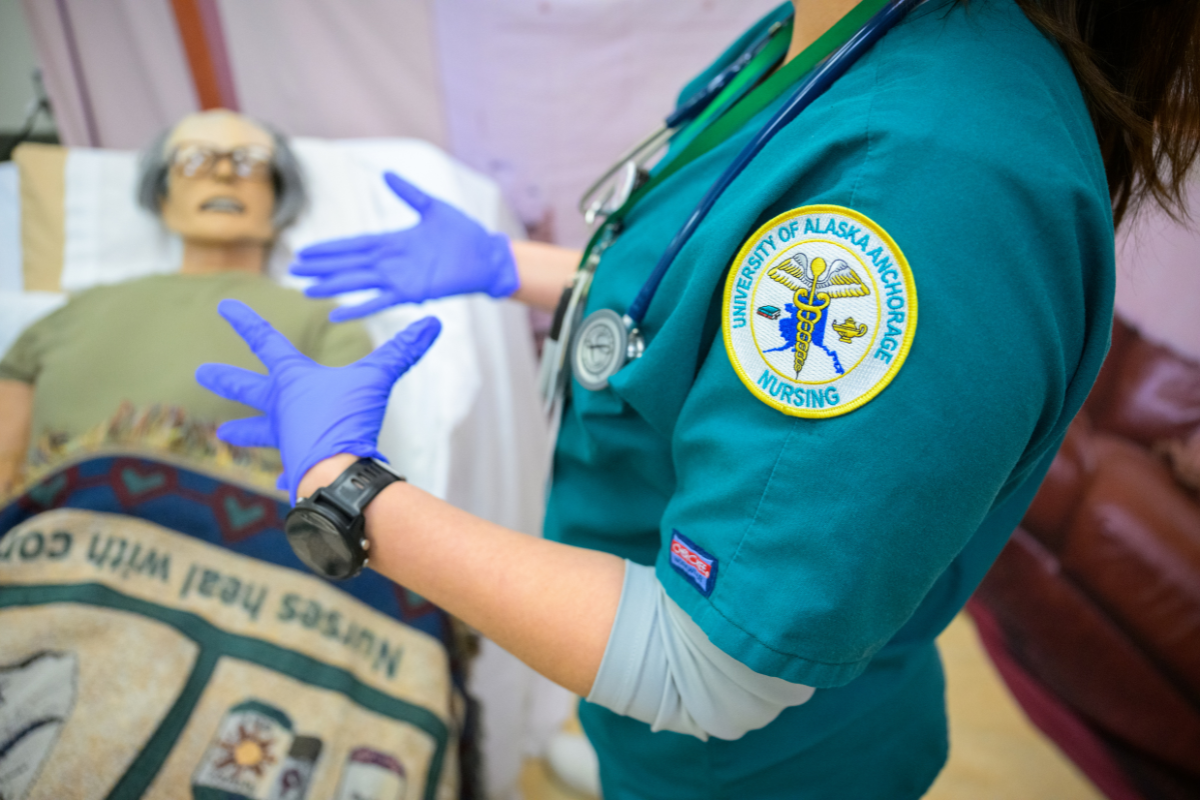
Premera-supported nursing programs at UAA help rural Alaskans earn degrees and return home, strengthening trust and access to healthcare statewide.
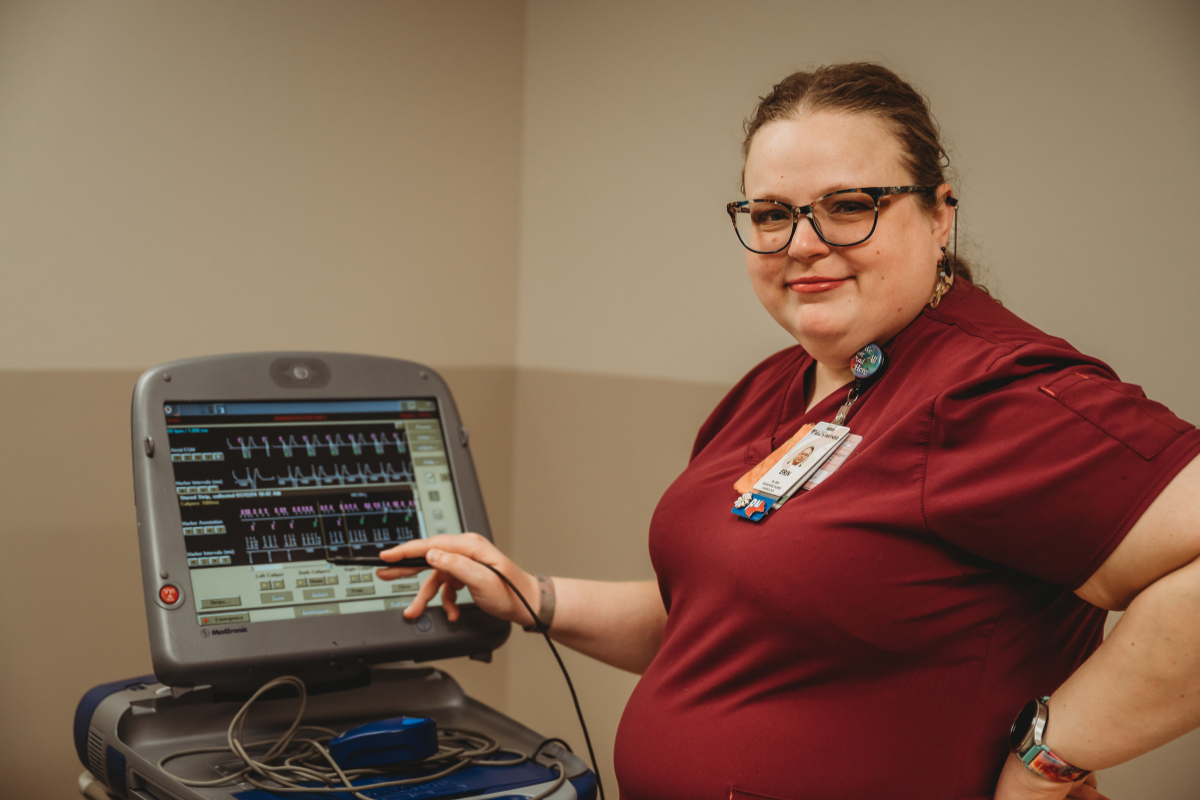
UAA School of Nursing graduate Erin McAulay is a Registered Nurse specializing in cardiology and cardiac device management, with a particular focus on caring for patients with pacemakers and other implantable cardiac devices.
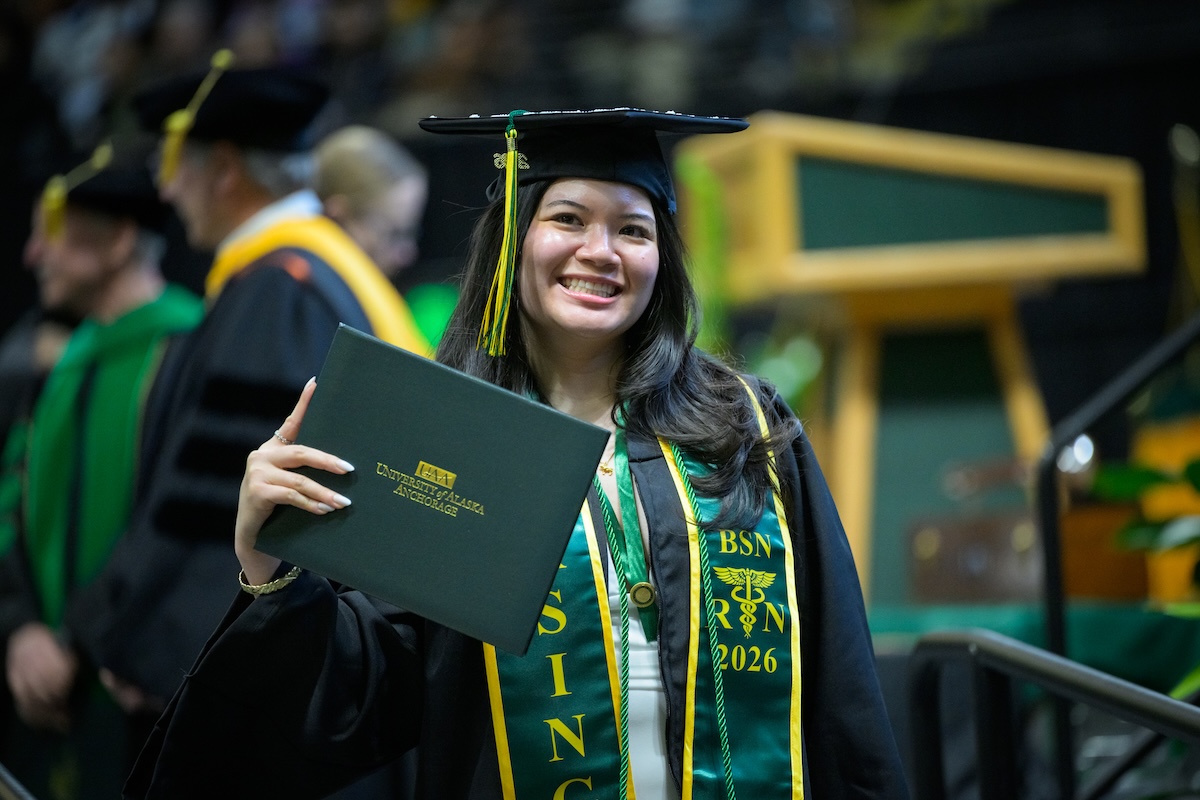
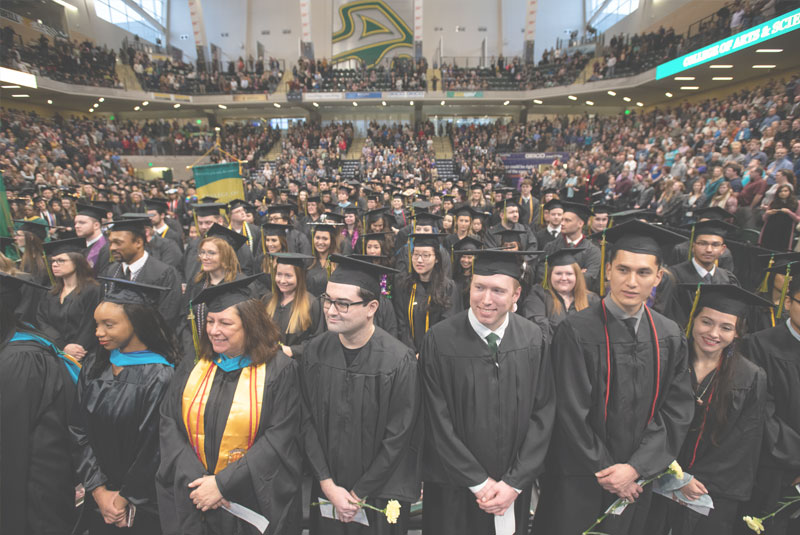
Seventy students earned their bachelor's nursing degrees from the University of Alaska Anchorage this week as the country recognizes National Nurses Week.
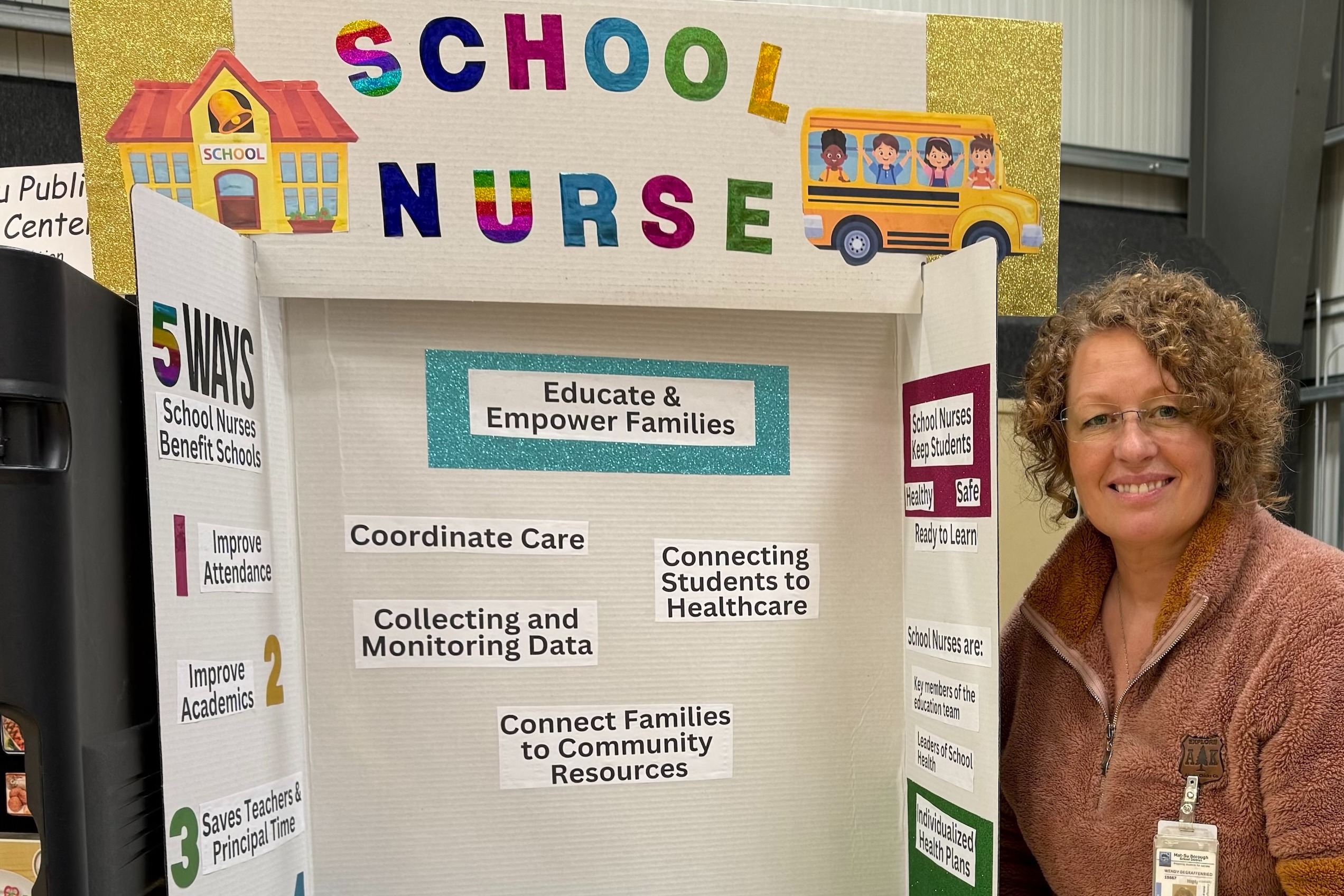
Master of Nursing Education and Leadership student Wendy DeGraffenried reflects on her educational and professional journey. As a school nurse and adjunct instructor, Wendy found her passion in mentoring other nursing professionals – something that she hopes to carry forward with her as she starts a new chapter.
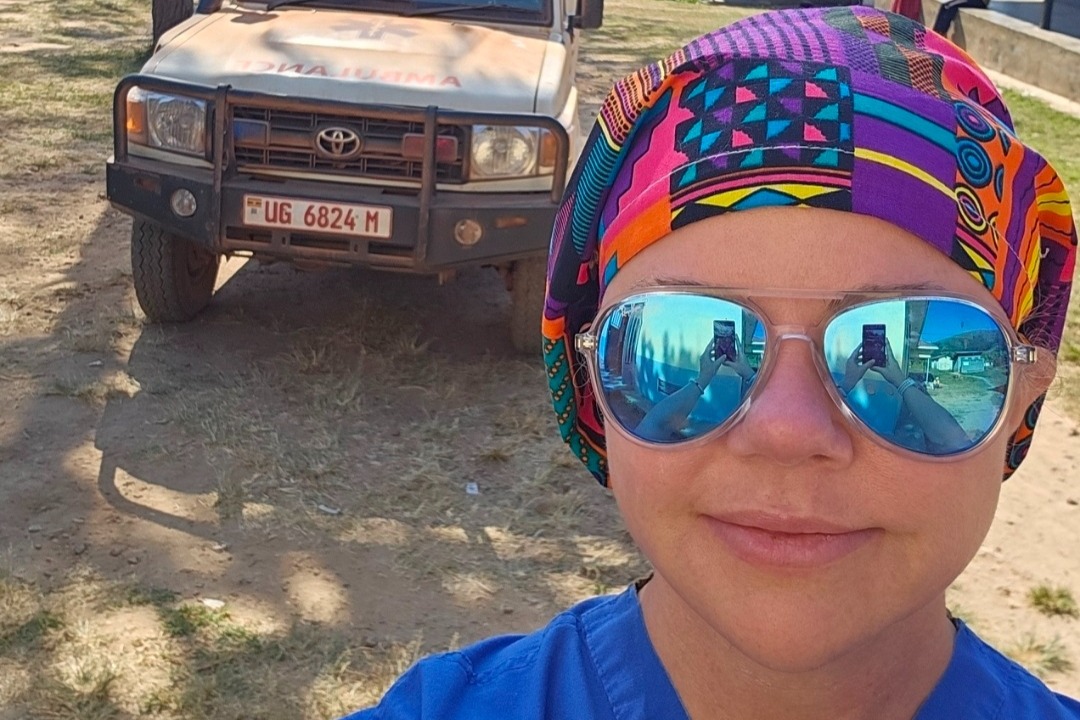
School of Nursing alumna Kristen Alcorn turned clinical expertise into entrepreneurial success. In this spotlight, Kristen shares a few of the experiences that shaped her journey in nursing, the things she loves about her job, and how her education at UAA helped her achieve her goals.