






Due to ongoing unsafe road conditions in Anchorage and the surrounding areas, the Anchorage campus will be closed today, Friday, Nov. 20, 2026.
Annual campus wildlife safety with UAA's Police Department
by University Police Department |
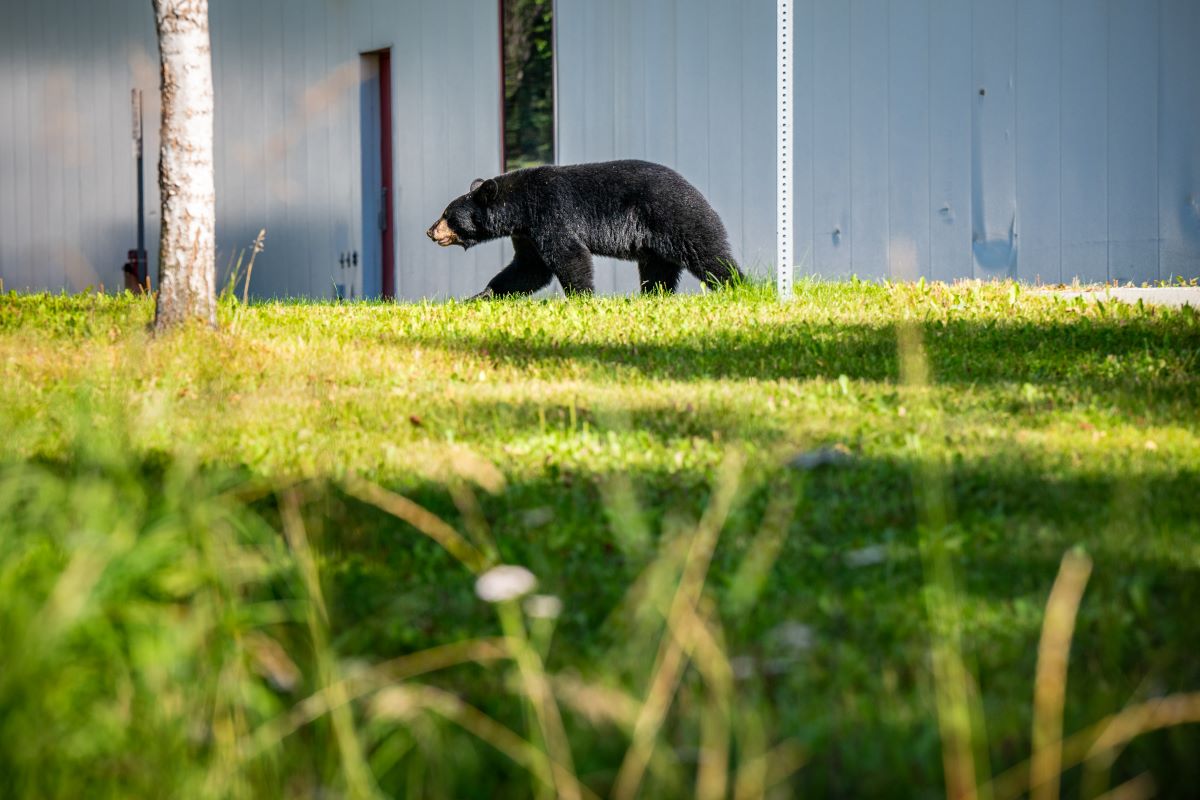
As we head into fall, wildlife is becoming more active around campus and the surrounding trails. The University of Alaska Police Department (UPD) reminds students, faculty and staff to be aware of wildlife when traveling on foot between buildings, heading out to parking garages or walking on pathways around campus and the UMED.
“We remind people that we co-exist with wildlife, such as bears and moose in Alaska,” said Jeff Earle, UAA UPD chief of police. “While our wildlife are not interested in harming you, it is important to give them space — don’t try to pet or feed them — and we can continue to safely share our urban and wild campus together.”
Earle encourages students, faculty and staff to call UPD and notify them of wildlife on campus at 907-786-1120.
“UPD will respond to aggressive moose and bears, although more rare, and will try to safely encourage them to leave campus grounds,” Earle said. “The basics is just to be alert and aware of your surroundings and please leave any bear spray in your vehicle while on campus. Call UPD to report larger wildlife sightings, we’re here to help and ensure everyone’s safety.”
For more information about handling wildlife encounters in Alaska, visit the Alaska Department of Fish and Game’s (ADF&G) Living with Wildlife website.
Tips for handling moose encounters
While not typically aggressive, moose can become agitated and charge if provoked. ADF&G suggests the following for a safe encounter:
- Do a quick moose check before exiting your vehicle, parking garage or campus building to avoid surprising both you and the moose.
- Give moose a wide berth when traveling campus pathways and trails. If possible, find an alternate route, or provide as much space between you and the moose.
- Know the physical signs: Ears laid down, hair up on the neck and hump of their back and a lowered head often indicate an agitated moose that may charge.
- Be extra alert during late September and throughout October, as this is considered rutting season. Both male and female adult moose can be more sensitive to people, animals, such as dogs and noises.
- If a moose begins walking toward you, particularly if it’s displaying any of the aforementioned physical signs, try to create some distance between you, preferably going into a building or hiding behind a large object such as a tree.
Tips for handling bear encounters
While bear encounters are not common on the Anchorage campus, it is important to remember bear safety in the fall months as we return to campus and in the spring, as Southcentral bears start to emerge from winter dens.
- If you see a bear while walking on campus pathways or trails connecting to the university, stop and take a moment to assess the situation.
- If possible, safely leave the area by backing away slowly, keeping your eyes on the bear and its movements — never running — and if it sees you, talking to the bear in a calm voice.
- If on campus, find a building to retreat to and use UAA’s Spine to travel between buildings.
- If on trails around the UMED that connect to campus, follow the above tips, consider exiting the trail system if possible / finding an alternate travel route, and if the bear comes within 30 feet of you, deploy bear spray (only on a trail, not if you’re on campus).

 "Annual campus wildlife safety with UAA's Police Department" is licensed under a Creative Commons Attribution-NonCommercial 4.0 International License.